
 Please check your email for your login details.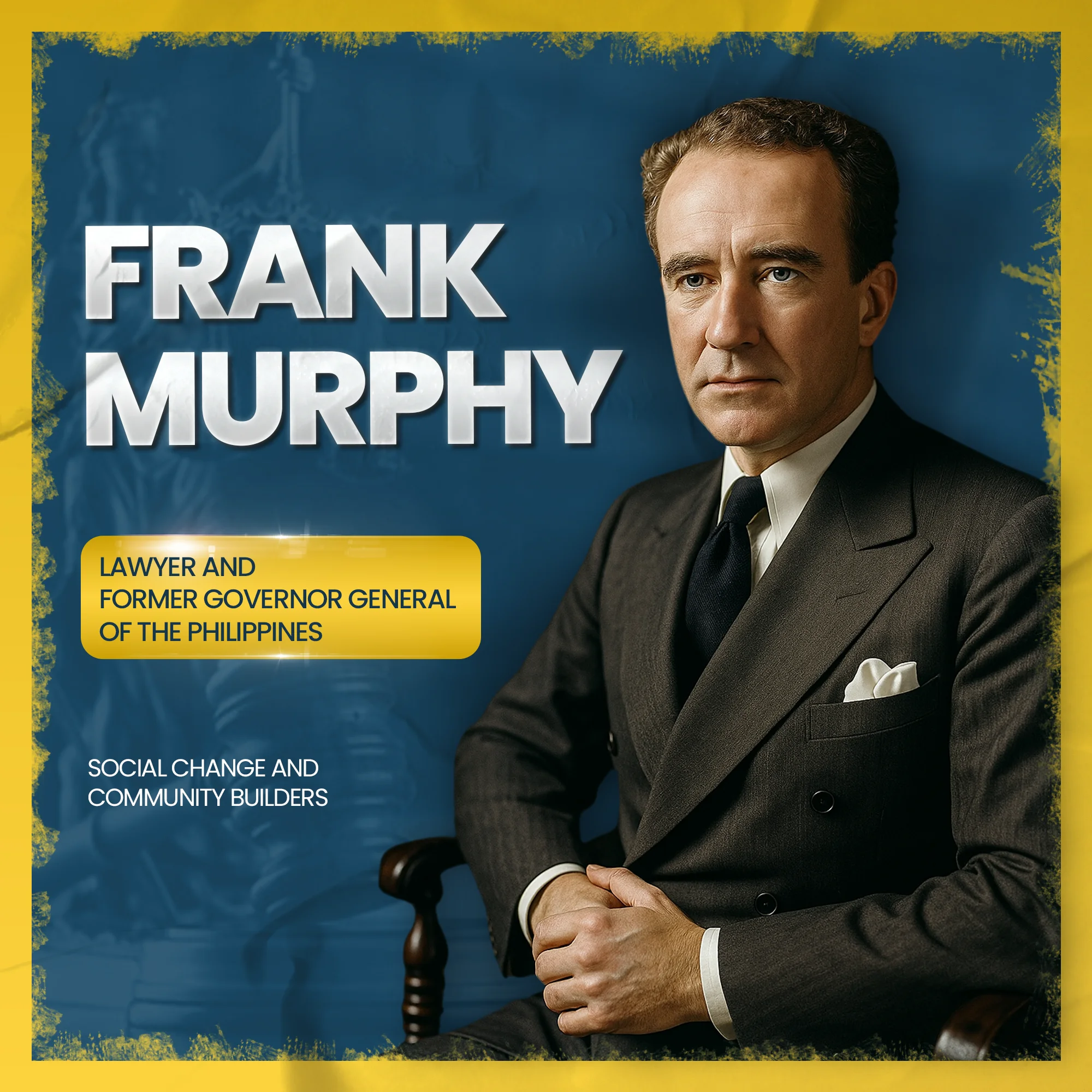
Long before he sat under the seal of the Supreme Court or stood alone against internment, Frank Murphy walked the streets of Detroit with his sleeves rolled up and his ears open.
He was not a politician who hid behind numbers and walls.
Instead, he saw disenfranchisement for what it was, and he responded by refusing to crush the working class for the comfort of corporations, recognizing that the law could be the cruelest bludgeon if not handled carefully.
When the Great Depression’s darkest winters hit Detroit, Murphy knew poverty was more than just a personal failing – it was a product of systemic neglect.
In response, he opened relief kitchens, housing programs, and emergency aid lines when factories locked their doors and landlords slammed theirs.
Where others demanded order, he demanded dignity.
For that, the powerful called him dangerous – but Murphy was unmoved.
The approval of the powerful did nothing for him.
His loyalty was with those on the fringes of society.