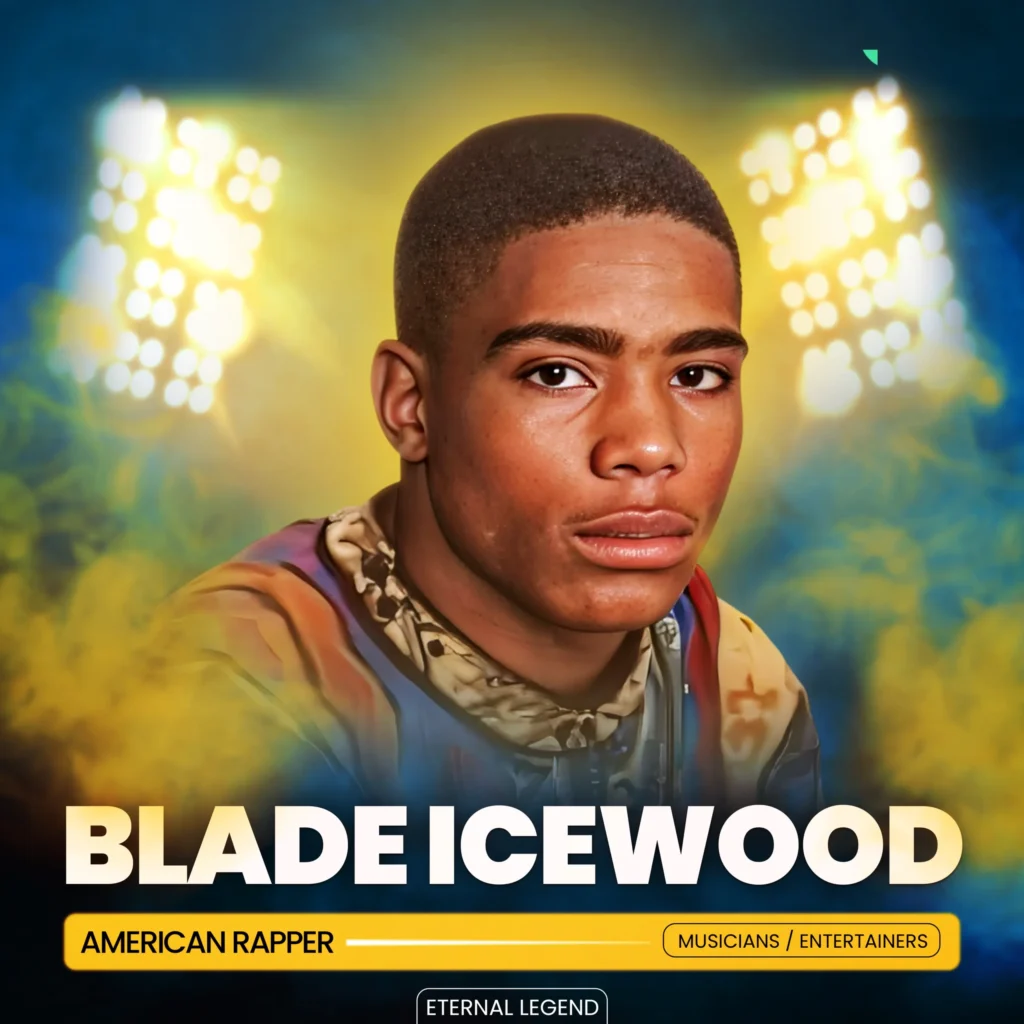
Unfortunately, it’s impossible to tell the story of Blade Icewood without getting into the Street Lord’z vs. Eastside Chedda Boyz feud – also known as one of the most notorious rap beefs in the history of Detroit hip hop.
It all started in 2004 when Blade was shot while at a car wash on the city’s west side. He survived – only just barely – yet even paralyzed, Blade refused to fold.
He continued rapping despite the fact that he was now wheelchair-bound, but sadly, on April 19, 2005, Blade was shot and killed in his own home in Detroit at just 28 years old, cutting short a promising career that was just in the process of taking off.
Blade Forever: The Lasting Legacy of Detroit Street Rap’s Forefather
Blade’s death rocked Detroit to its core, but like most untimely deaths, his legend only grew in the face of his early demise.
Today, he’s considered a major influence of nearly every new-era Detroit rapper, from Babyface Ray to Icewear Vezzo to Peezy and Payroll Giovanni.
His unique flow, his way with words, his raw cadence – it all lives on within the very DNA of Detroit rap.
From east to west, north to south, Blade’s voice still rings through speakers, with “Free the real, RIP Blade” still found in Instagram captions related to Detroit hip hop.
In short: Blade Icewood didn’t just rap about street life; he gave it form, turning pain into power through music that lives on even decades after his departure.
He wasn’t just a rapper.
He was the unflinching voice of 7 Mile – raw, real, and eternal.



 Please check your email for your login details.