
or

By signing in, I accept the Rebuildetroit.com Terms of Use.

Agent Registration

Find Your Agent Profile

Agent Registration

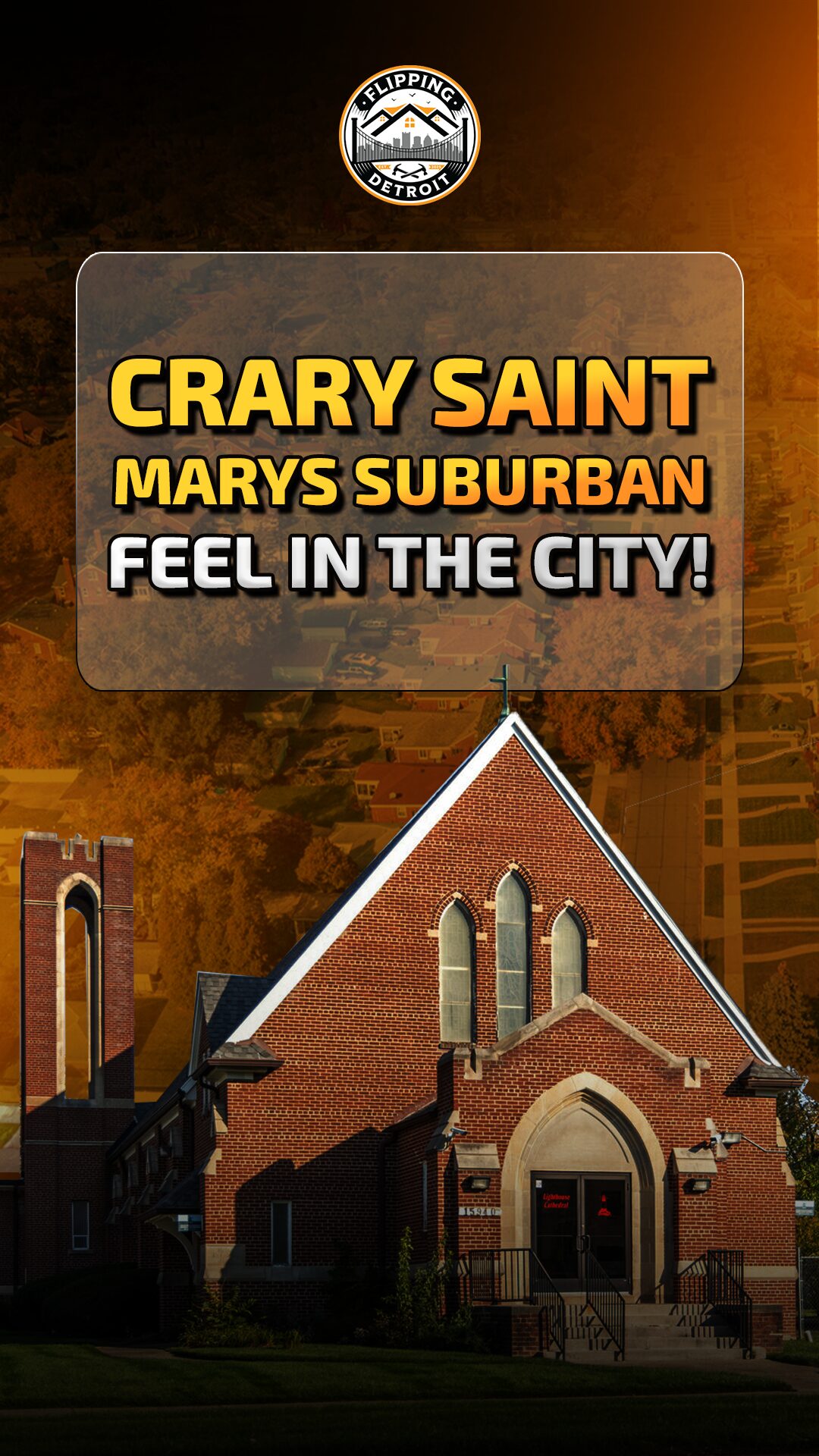
Crary–St. Marys: A Place of Legacy and Stability

Crary–St. Marys is a District 1 suburb that stands as a place of endurance in the face of struggle:

Blight, vacancy, lack of investment, aging infrastructure…residents here have seen it all, and yet, most refuse to flee, instead standing strong and doing their part in fighting back through block clubs, beautification projects, and neighborhood watch programs.

Location, Culture, and Roots

Crary–St. Marys is a proud 48227 and 48235 ZIP code residential neighborhood spanning Greenfield to the west and Wyoming to the east. 

With strong homeownership, close proximity to Detroit’s beloved Seven Mile, and a central location close to a number of good schools and churches, it’s easy to see why Crary–St. Marys stands as a model of the city’s middle-class resilience.

It gets its namesake from two major residential parts – Crary to the west and St. Marys Avenue to the east – and is heavily anchored by a good balance of sturdy mid-century brick homes and local institutions. 

As for Crary–St. Marys history, the neighborhood got its start between the 1940s and 1960s, during a time when postwar Detroiters were craving suburban living with big city amenities. 

These early residents included everyone from auto workers and their families, teachers, small business owners, and hospital employees, many of whom stuck around for generations and passed down properties and traditions.

Walk Crary–St. Marys streets today and you’ll get an up-close-and-personal view of their pride in the form of neatly trimmed front lawns, well-maintained homes, and outgoing neighborly energy. 

It’s the kind of place where the streets are shaded, wide, and walkable, where you’re just as likely to see a brick ranch as you are a colonial or Cape Cod-style home, giving the area an atmosphere of rich history backed by care.

Recreation and Everyday Living

Community life in Crary–St. Marys speaks to its eclectic culture and is heavily focused around food, recreation, and lively gatherings. 

It’s a highly walkable community, one dotted with local businesses like barbershops, corner stores, and boutiques.

For food and shopping, residents enjoy close access to Greenfield and Seven Mile, both of which offer a wide array of family-run restaurants, small grocers, bakeries, and classic Detroit comforts like coney island spots, fried chicken, barbecue, and cultural offerings like Polish and Caribbean fare. 

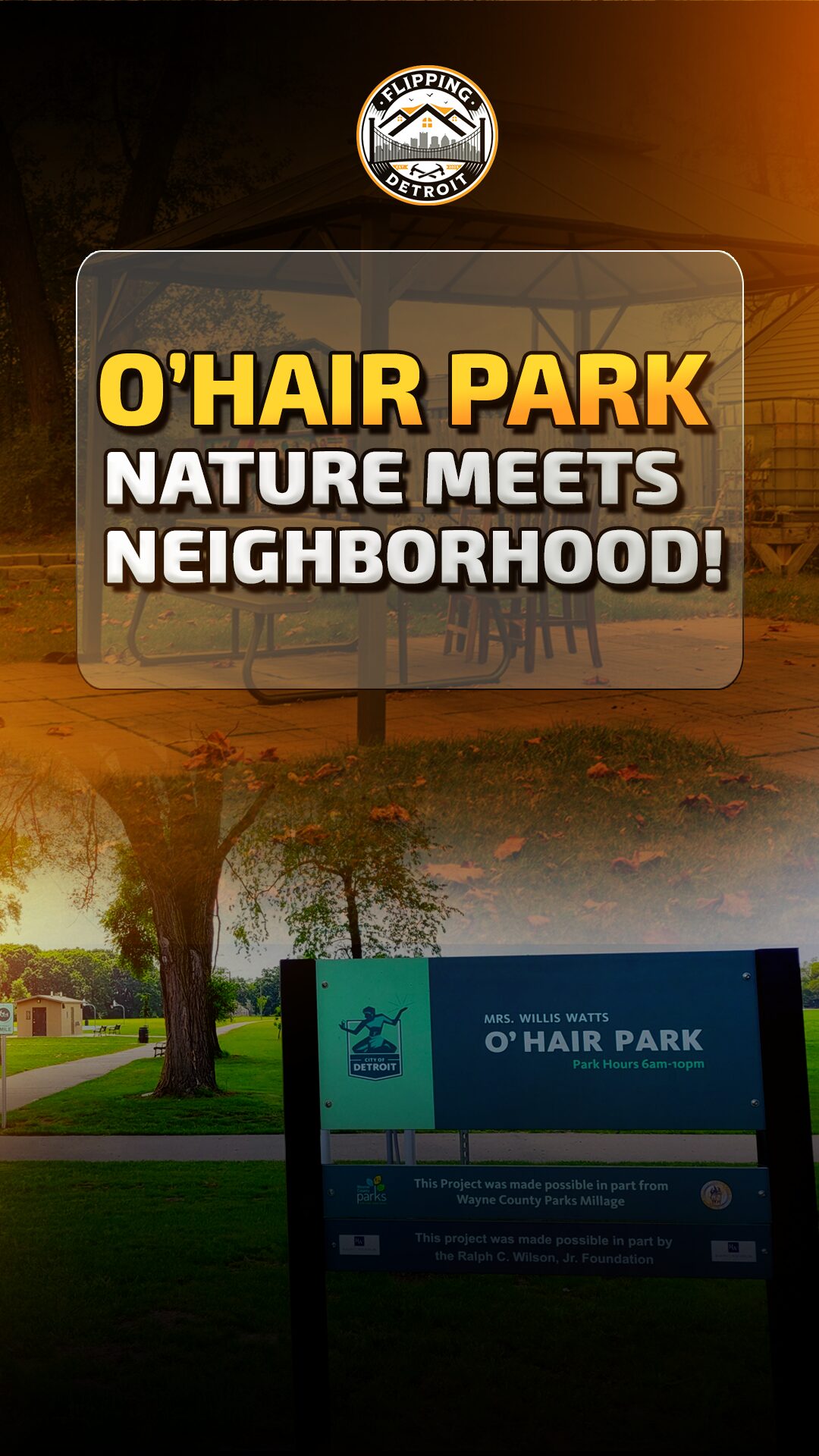
And if spending time outdoors is more your speed, look no further than O’Hair Park on the neighborhood’s southernmost edge, which offers everything from sports fields to walking trails and even a seasonal splash pad. It also hosts neighborhood picnics and volunteer cleanups throughout the year, both of which contribute to Crary–St. Marys neighborhood culture in a positive way.

As for schooling, the neighborhood is served by the Detroit Public Schools Community District, with some of the top options based on enrollment being Cooke STEM Academy and Communication and Media Arts High School. 

Faith also plays a major role in the neighborhood’s social identity, with many residents attending nearby St. Mary’s of Redford, which has anchored the community for generations and offers everything from outreach programs to tutoring and food assistance. 

Final Word

In short, Crary–St. Marys stands tall as a place of pride and resilience, even in a city defined by endless cycles of transformation.

With its well-maintained streets, charming mid-century homes, and multi-generational legacy, it’s easy to see the bright future that awaits it.
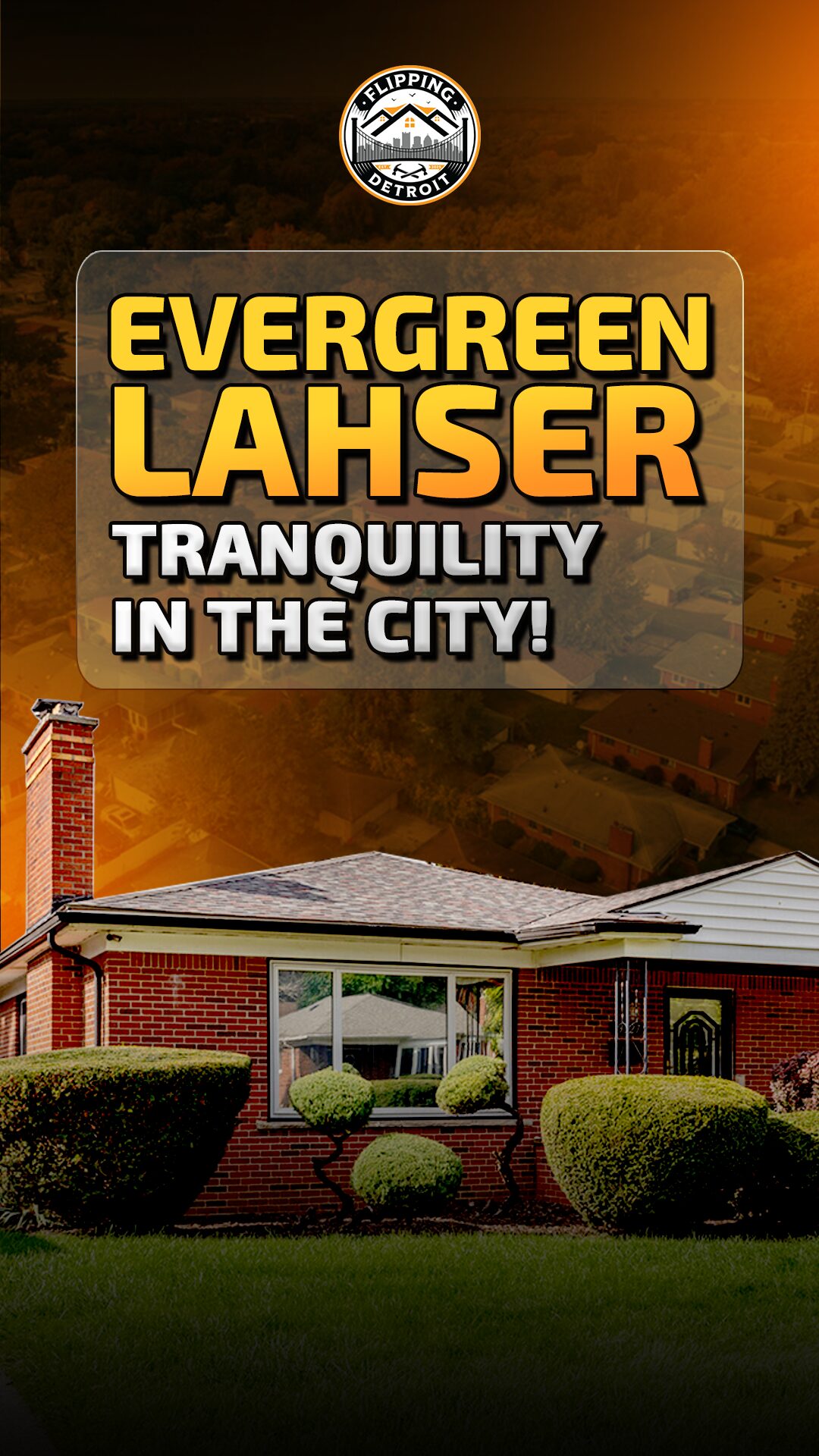
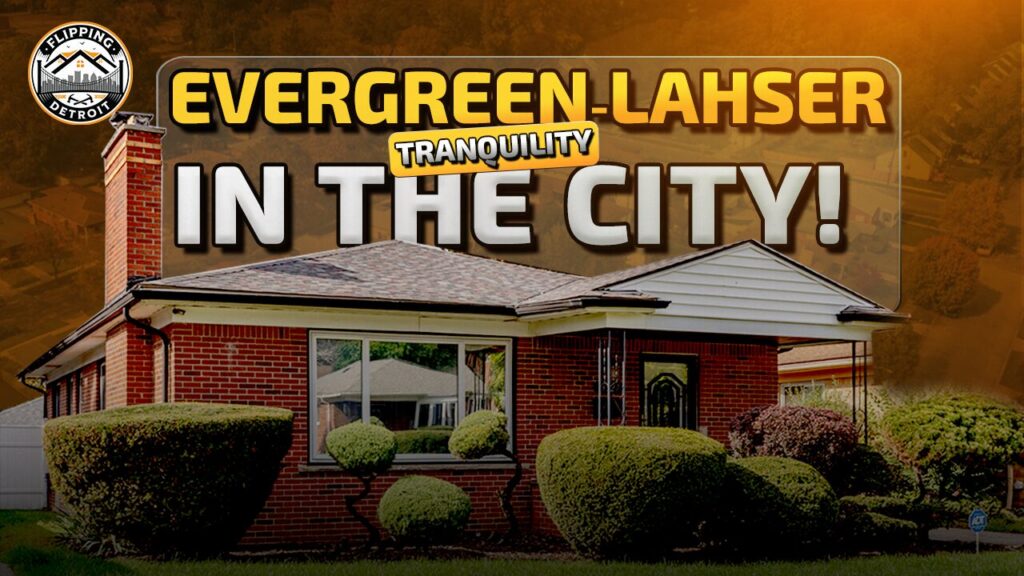
Evergreen–Lahser: Northwest Detroit’s Lush Green Corridor

Evergreen–Lahser may not attract the same degree of attention as some District 1 living communities, but it embodies quiet resilience all the same, standing strong in the face of vacancy, aging infrastructure, and a lack of city resources. 

With its solid homes, lush green corridors, active block clubs, and loyal homeowners, it stands as one of Detroit’s most stable and steadfast communities within Wayne County’s 48219 ZIP code. 

Layout, History, and Culture

Evergreen–Lahser is situated between the two roads it takes its name from and offers a calmer way of life just minutes away from busy Southfield and Redford Township.

The area strikes a perfect balance between suburban comfort and city life convenience, with eye-catching mid-century homes, strong homeowner pride, and community values taking precedence over flash. 

As for the area’s history, Evergreen–Lahser was first developed during Detroit’s post-war housing boom between the 1940s and 1960s, a time when the city’s lucrative automobile industry led to an increased need for housing.

Evergreen–Lahser provided it, and what followed was the community becoming something of an affordable hot spot for middle- and working-class families as well as employees at the area’s many factories, hospitals, and schools. 

In fact, the spirit of that era can still be found in Evergreen–Lahser today, with its Cape Cods, brick ranches, and colonials calling to mind that time period, and many homeowners being the second- or third generation to call the community home.

Life in Evergreen–Lahser

Recreation (both indoor and outdoor) is one of Evergreen–Lahser’s biggest perks.

Residents are just a short drive from Detroit’s beloved Eliza Howell Park, which features gorgeous walking trails, picnic spots, and playgrounds for children, as well as the smaller Lahser Playground for youth sports and weekend barbecues. 

As for residents with children, Evergreen–Lahser families are zoned through the Detroit Public Schools Community District and are well-served by local schools such as Cooke STEM Academy and Communication and Media Arts High School. 

For shopping and dining, Seven Mile, Lahser, and Grand River Avenue all have plenty of great options to choose from, including a wide array of delicious locally owned restaurants serving up Detroit favorites like soul food, Caribbean, barbecue, and coney dogs.

And if chain stores are more your speed, head on over to the nearby Redford and Southfield plazas for larger retail options. 

This balance between outdoor recreation, dining, affordable housing, and convenience gives Evergreen–Lahser its authentic rhythm — steady, livable, and quietly vibrant.

What the future holds for the community, we will have to wait and see.

O’Hair Park: Legacy Meets Renewal on Detroit’s Westside

O’Hair Park, named after the busy park that shares its name, traces its roots back to the 1940s and 1950s when Detroit’s automobile boom and expansion into the west brought an increased need for residential subdivisions for the city’s growing workforce and middle-class population. 

Today, it stands as a beloved residential suburb known for its expansive green space, economic stability, greenery, and perfect balance of suburban peace and quiet with city accessibility.

At its core, it’s a neighborhood built on family, history, and neighborly care, a place that was originally planned to revolve around its public park (named after former Detroit Parks Commissioner John H. O’Hair) and affordable housing.

Since its inception, O’Hair Park has maintained that reputation, in large part thanks to its presence of devoted multi-generational homeowners who do their part in fostering local civic engagement and neighborhood beautification efforts.

For proof of this, look no further than the fact that there are active block clubs in O’Hair Park dating as far back as the 1960s. 

O’Hair Park’s Architectural Signature

The homes in O’Hair Park reflect its mid-century bones, with sturdy brick ranches, colonials, and Cape Cods leading the way, most of which still have many of their original features – think large bay windows, high-quality hardwood floors, and large front porches that sit beneath leafy canopy trees that are just as old as the community. 

If that’s not enough of a draw, there’s also the fact that the median home value in O’Hair Park remains moderate, offering affordability in a calm, charming community where children still play outside and neighbors still know each other by name.

Recreation, Schools, and Community

As previously mentioned, O’Hair Public Park is the centerpiece of the O’Hair Park suburb, a beloved outdoor recreation spot that stretches across an impressive 60 acres and features everything from picnic areas to sports fields, walking trails, and playgrounds.

It serves as a popular recreation space for O’Hair Park residents, visitors, and youth sports teams, hosting everything from weekend games to annual neighborhood celebrations and seasonal events.

As for shopping and dining, the options along nearby Seven Mile and Evergreen provide residents with plenty to choose from, whether they enjoy small restaurants, coney islands, bakeries, or carryout spots.

For neighborhood grocers, pharmacies, and other daily need locations, see the Southfield and Grand River corridors, both of which offer residents access to larger retail centers right within arm’s reach.

For schooling, O’Hair Park residents are zoned through the Detroit Public Schools Community District, which includes popular options like Cooke STEM Academy and Communication and Media Arts High School. 

There are also a number of churches and community organizations in the area that serve as strong anchors for faith and social engagement, offering youth mentorship, tutoring, and outreach programs that go a long way in strengthening community ties.

Final Word

In summary: O’Hair Park is one of Detroit’s most balanced neighborhoods — a relaxed place where history, community, and nature seamlessly intersect.

It serves as a living example of how Detroit’s roots continue to thrive even in the face of radical transformation.

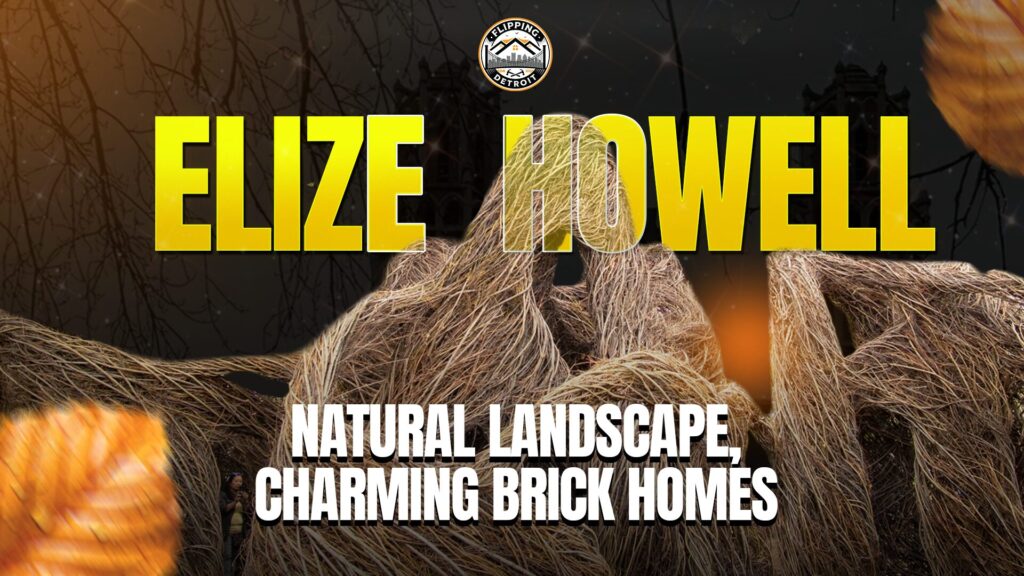
Eliza Howell: Nature Meets Neighborly Vibes

Eliza Howell is a scenic suburb located in northwest Detroit within Wayne County’s 48223 ZIP code. 

It takes its name from one of the city’s most beloved parks, Eliza Howell Park, and is known for its affordable homes, wildlife, abundant green space, and slower pace of life.

The neighborhood got its start in the 1940s and 1960s during the city’s westward expansion, which saw an increased need for housing thanks to the city’s many automobile factories and their employees. 

Many of the homes were built with this in mind, offering working- and middle-class families affordability, stability, and space in Detroit’s postwar period. 

As for the Eliza Howell Park, it was originally donated by local businessman and philanthropist John H. Cummings in the early 1920s. It wasn’t until the mid-century during the auto boom that it finally became a centerpiece of the city, slowly evolving into both a natural refuge and a local entertainment hub for residents of all ages and creeds.

Architectural Landscape

Eliza Howell’s streets are lined with Cape Cods, two-story colonials, and tiny ranches that have managed to retain much of their original detailing, in large part thanks to the area’s devoted multi-generational residents and their upkeep. 

There’s a suburban, down-to-earth feel here despite the fact that it’s right within Detroit city limits, one that many residents lovingly describe as “city living with a view.”

Recreation, Dining, and Community

As previously mentioned, the heart and soul of the Eliza Howell neighborhood is its 250-acre Eliza Howell Park thanks to its endless trails, meadows, and forested areas. 

With an impressive 200+ species of birds, lush pastures of wildflowers, and deer sightings, it serves as one of the city of Detroit’s most biodiverse green spaces – a place where residents and visitors alike flock to picnic, jog, or simply enjoy the views.

The park is also home to seasonal events like nature tours, concerts, and art walks, all of which reinforce its reputation as a main entertainment anchor for the Eliza Howell neighborhood.

For dining, look no further than nearby Fenkell Avenue, Outer Drive, and neighboring Brightmoor and Old Redford, which offer endless Coney shops, carryout restaurants, small grocery stores, and farmers’ markets.

Challenges and Future Outlook

As beautiful as it is, Eliza Howell hasn’t been without its struggles.

Like many Detroit suburbs, it has gone up against everything from blight to aging infrastructure, illegal dumping, and lack of city investment. 

It’s only thanks to its vigilant residents that the area has managed to withstand the test of time, becoming a model for grassroots renewal.

While a scattering of vacant homes still exist here, they are becoming a rarer sighting, especially since there are a number of block clubs and community groups working to maintain the integrity and charm of the neighborhood through beautification projects.  

In short: Eliza Howell stands as a model of Detroit’s quiet triumph: a place where nature and enduring community pride coexist, and the roots still run deep.

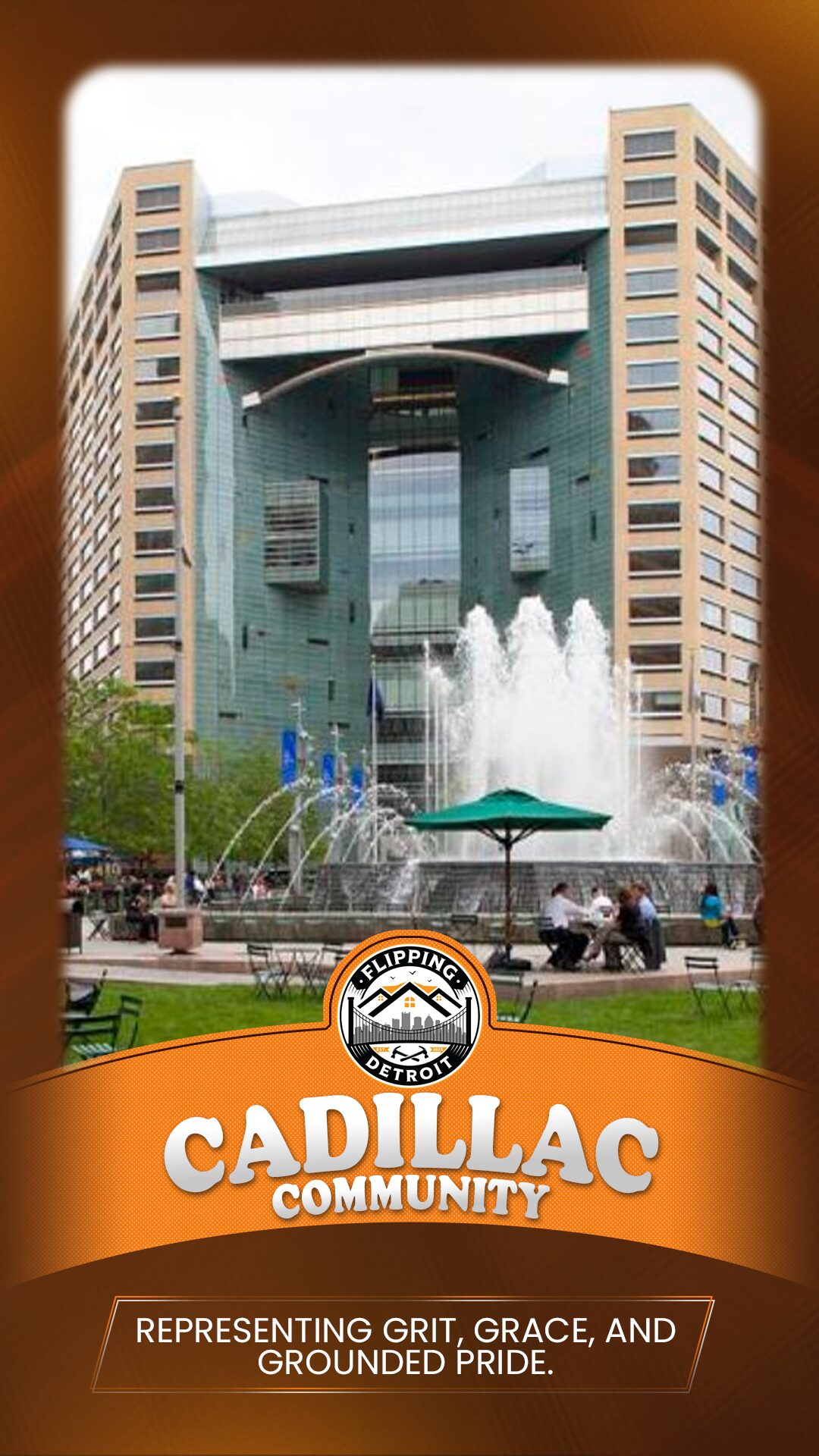
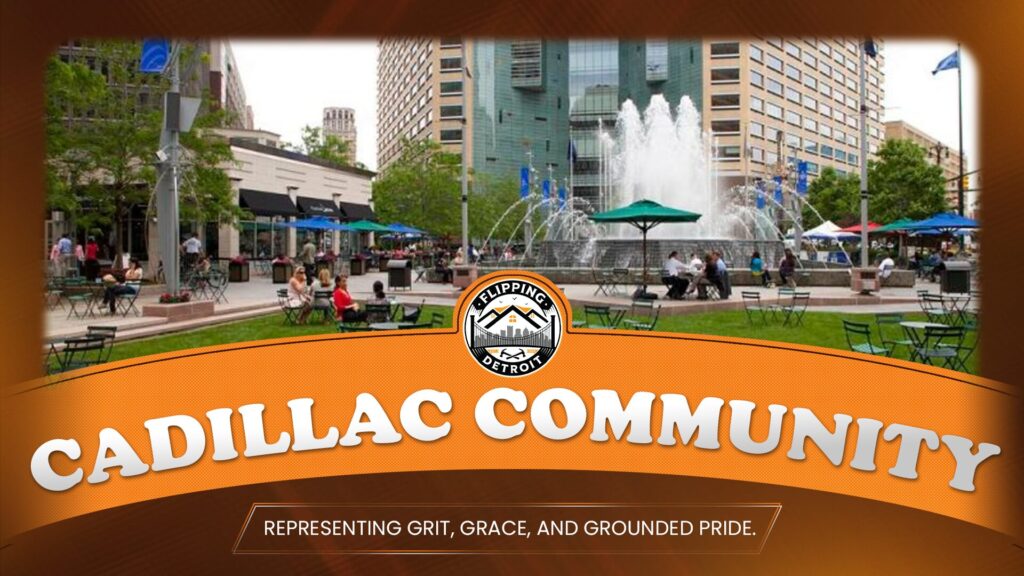
Cadillac Community: Detroit’s Resilient Eastside Suburb

Cadillac Community is the kind of eastside Detroit neighborhood where people still converse in each other’s front lawns after church, barbecue together on weekends, and shovel each other’s driveways in the winter.

Situated near Gratiot Avenue, Conner Street, and East Warren, Cadillac Community is a historic living community with a name that brings to mind the resilient spirit of working-class Detroit and its early auto boom.

It gets its namesake from the Cadillac Motor Car Company, one of the area’s biggest automakers in the 1910s and 1920s. It makes sense, then, that you’ll find plenty of architecture in Cadillac Community that brings to mind that age, from modest one-and-a-half-story houses to simple bungalows and brick ranches.

Cadillac Community’s Culture 

As for the area’s demographics, Cadillac Community got its start as a safe space for African American families migrating from the South as well as immigrant families from Germany, Italy, and Poland.

A multigenerational community, many of their descendants still populate the area today, standing as a model of the suburbs’ faith and persistence even in the face of the city’s post-industrial decline and economic hardship.

Today, Cadillac Community reflects both struggle and healing, with vacant and abandoned homes coexisting right alongside those in the process of being rehabilitated.

Parks, Food, and Small Businesses

Cadillac Community residents are well-served with plenty in the way of indoor and outdoor recreation options, from parks and gathering spaces to shopping and dining.

Nearby Jayne Field is one of the neighborhood’s main recreation spots thanks to its sports courts, weekend pop up vendors, and much-loved recreation center, which regularly hosts community events, youth sports, and fitness programs for the neighborhood’s elderly residents.

There’s also the Butzel Family Center, which brings computer labs and a wide array of after-school programs.

In the warmer months, these spaces come alive with children playing, multiple generations interacting, and families picnicking under shaded trees.

As for food and shopping, the Gratiot and Conner district both come lined with endless locally owned restaurants, corner stores, barbecue joints, and coney islands, bakeries, and small markets that all give distinctly Detroit energy.

For chain offerings and larger grocery hauls, Mack Avenue and East Warren are your best bet. 

Schools and Worship Services

Detroit Public Schools Community District institutions, such as Marion Law Academy and Denby High School, happily serve Cadillac Community families with children.

Faith also plays an essential role in Cadillac, and there are a number of great churches in the area that offer tutoring, mentorship, and even the occasional scholarship program.

See: Mount Calvary and St. Philip’s, where Sunday morning worship is known to extend into raucous block gatherings where neighbors share food, music, and lively conversation.

Renewal Outlook

What Cadillac Community’s future will look like all depends on its ability to sustain what’s already here: work ethic, community pride, and relentless faith.

Like most of Detroit, Cadillac still struggles with blight, crumbling infrastructure, and limited economic investment, but its bright spot is its residents – people who do everything from organizing monthly clean-ups to running safety patrols and transforming vacant lots into gardens.

So while it may not be the trendiest District 1 suburb, what Cadillac Community offers instead is something far rarer: a genuine sense of authenticity rooted in belonging. 

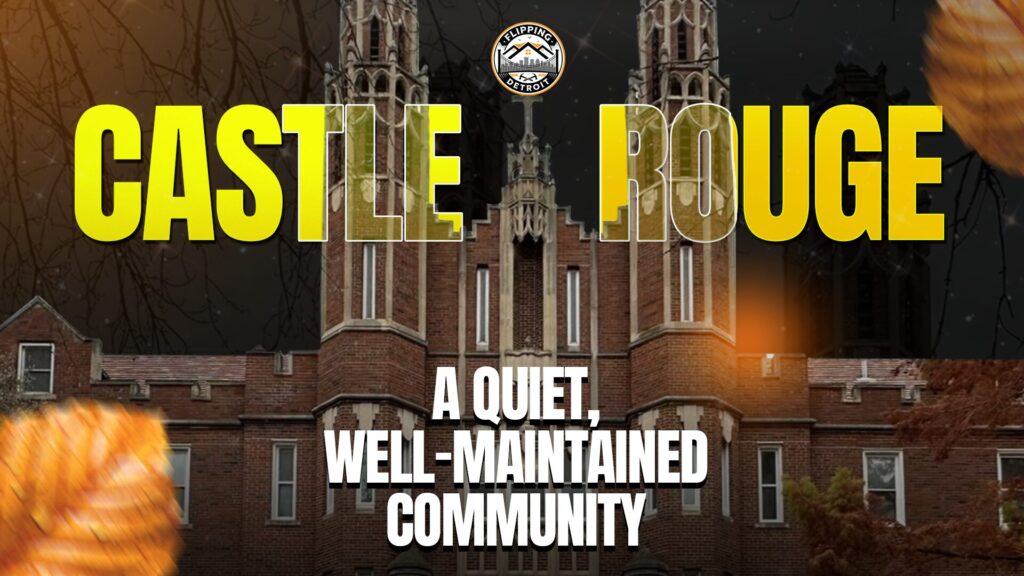
Castle Rouge: Northwest Detroit’s Resilient Riverside Community

Developed in the mid-20th century as part of Detroit’s efforts to provide housing for postwar families and employees of the city’s many factories during the automotive boom, Castle Rouge sits on the far northwest boundary of Wayne County’s 48223 ZIP code.

Taking its name from its defining landmark (Detroit’s Rouge River), it’s an area best known for its lush, wooded scenery and natural environments, where shaded streets lined with mature trees, gorgeous mid-century homes, and plenty of wide-open parkland come together to create a unique blend of city and countryside living.

It’s the kind of place where it feels like every street was mapped out and planned with the utmost intention and forethought—think wide curving roads with sturdy two-story colonials and brick ranches reflecting the very best of Detroit’s architectural golden age.

A model of resilience even in the face of decline, Castle Rouge stood strong in the years when Detroit’s population began to decline, retaining more stability than many of its neighboring suburbs (such as nearby Brightmoor) thanks to factors like multi-generational homeownership, active block clubs, and immense natural beauty. 

Parks, Food, and Recreation

Despite its slower way of life, there is no shortage of indoor and outdoor recreation options central to Castle Rouge for residents to enjoy.

Quite the contrary, the neighborhood is home to Detroit’s largest green space: Rouge Park.

The park serves as one of the community’s main draws and offers outsiders and residents with everything from wooded trails to meadows, playgrounds, sports fields, and even a swimming pool.

As for indoor amenities and dining, the nearby Outer Drive–Lahser corridor and Grand River Avenue offer a wide array of grocery stores, bakeries, take-out shops, coney island spots, and soul food and Caribbean staples. 

Castle Rouge also attracts a number of food trucks and outdoor vendors, creating a small-town rhythm right within Detroit city limits that is relaxed but never stagnant.

Challenges, Renewal, and Future Outlook

Although Castle Rouge has not managed to completely escape the blight that has plagued Detroit as a whole, it still remains one of the city’s most enduring neighborhoods thanks to its close proximity to Rouge Park, affordable housing stock, and engaged residents. 

Here, residents are getting an up-close and personal look at what Detroit’s rebirth has in store: neighbors supporting neighbors, more and more families staying put, and culture being restored—not merely paved over. 

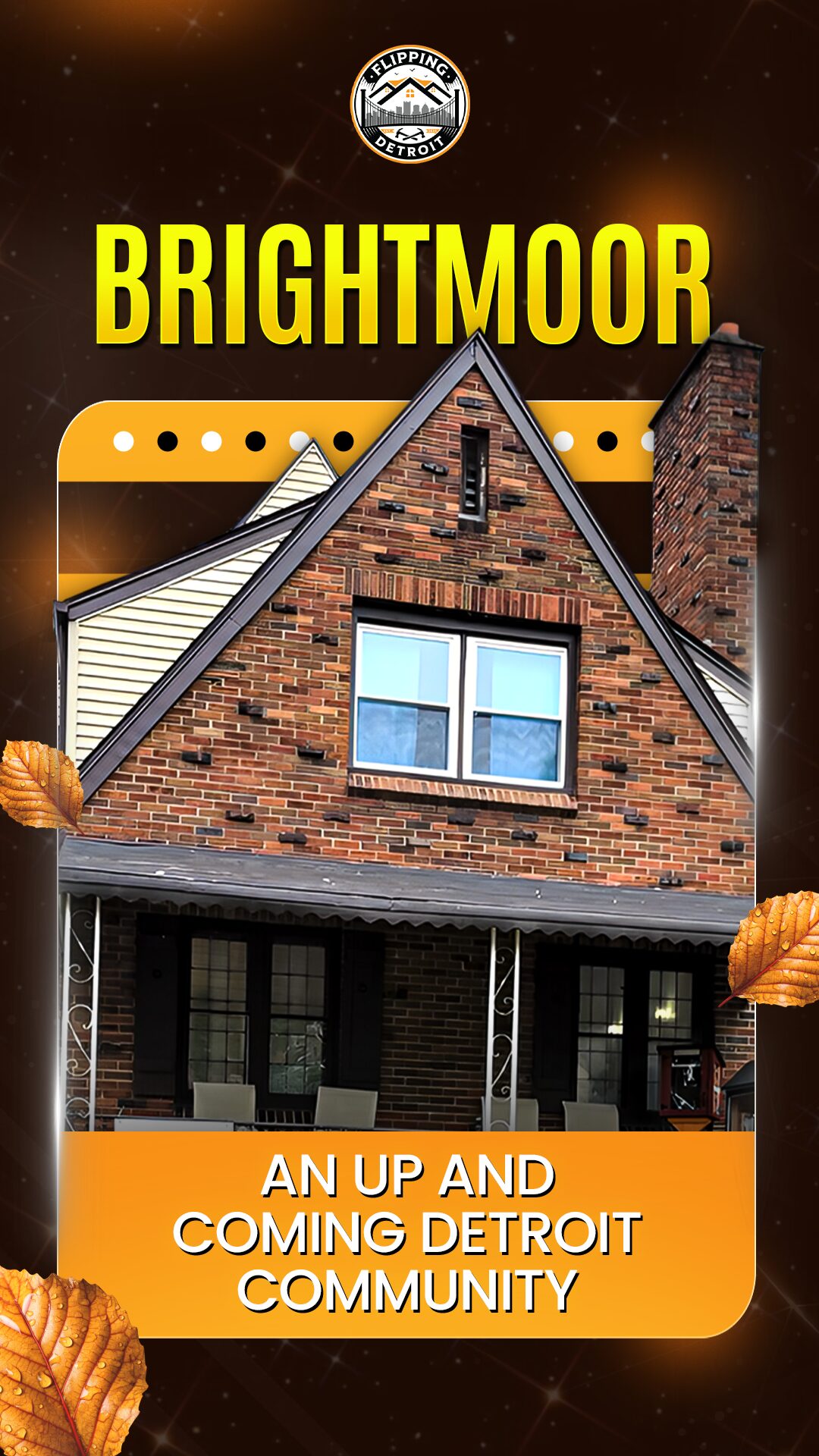
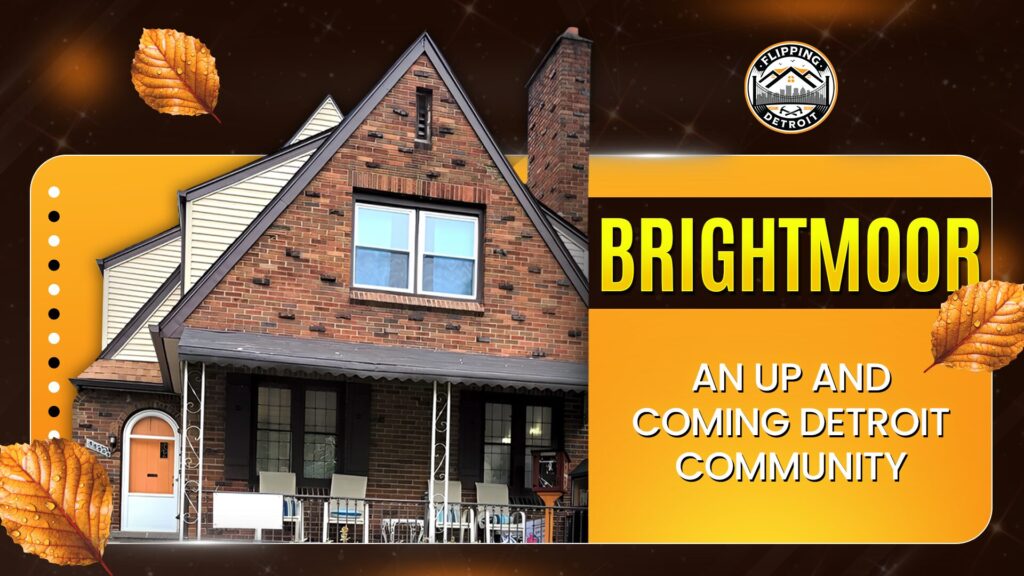
Brightmoor: A Resilient, Creative Northwest Side Neighborhood

Brightmoor is a Northwest side Detroit neighborhood unlike few others in the city.

Although it continues to battle blight, infrastructure decay and a lack of investment, its path forward is unmistakably positive thanks to its devoted residents.

Unlike in years prior, Brightmoor in 2025 is a place known for its arts scene, expanding green initiatives, and affordable housing projects.

It is one of the few neighborhoods in Detroit’s District 1 that consistently proves rebirth is not just possible, but fully underway – a living symbol of survival, reclamation, and creativity.

History and Culture

Bordered by Outer Drive, Telegraph, Lyndon, and Fenkell, Brightmoor is a living community that was once considered “Detroit’s wilderness” that now straddles the edge of city life and countryside charm. 

It is the kind of place where you can still find plenty of wide open land for community gardens and gathering spaces, with the area’s devoted residents taking great pride in transforming such spaces into places of growth and renewal.

First developed in the 1920s by a Scottish investment group, the original vision for Brightmoor was to provide a cheap place for employees of nearby factories and their families to live during the height of Detroit’s automotive boom. 

This garnered Brightmoor the reputation of “the working man’s” living community, especially since most of the homes built in those early days were wooden structures constructed quickly and efficiently.

It was not until the bubble finally popped and Detroit’s population began to decline quickly that Brightmoor’s reputation changed for the worse, a period in the 1970s and 1980s where vacancies rose and thousands of households fell into deep poverty and disrepair. 

Fast forward to 2025.

Today, Brightmoor is once again trending upward, with local organizations, artists, and long-time residents reclaiming the land and using their imaginations to make it their own.

Architectural Landscape

Brightmoor’s housing has moved away from the cheap wooden structures it was once defined by. 

Although a few of those cottages still exist today, you will also find a scattering of sturdy brick bungalows and newer infill homes, with many streets now featuring lush green lots where houses once stood as well as urban meadows with mature trees and wildflowers.

There is a countryside calm here, all right within arm’s reach of Detroit’s many city life amenities and hot spots.

Another huge perk is that the median home value in Brightmoor is among the lowest in District 1, making it one of the city’s most affordable options for investors, first-time homeowners, and anyone seeking a quieter way of life right within city limits.

As for schooling, Brightmoor residents are served by the Detroit Public Schools Community District, with Gompers Elementary-Middle School and Communication and Media Arts High School two of the top options based on enrollment.

Recreation and Everyday Living

Outdoor recreation is one of Brightmoor’s biggest selling points.

It’s right within arm’s reach of one of Detroit’s largest parks (Eliza Howell), which offers scenic picnic areas, winding trails, and ample wildlife sightings.

For those seeking community, look no further than The Brightmoor Artisans Collective, which offers everything from a community kitchen and market to classes educating residents on food-industry centered entrepreneurship and local produce. 

Honestly, Brightmoor’s creative, grassroots, down-home energy is visible everywhere you look.

Greenhouses and food trucks dot every block, and there are endless local carry-out spots, family-owned restaurants, and coney islands along Fenkell Avenue as well as small grocers, bakeries, and corner stores to assist residents with their everyday needs.

For larger shopping trips and more extensive shopping, simply hop in the car and head on over to Grandmont-Rosedale or Redford.

Final Word

In summary, Brightmoor is a District 1 neighborhood best known for its calm way of life, resident-led renovation efforts, and eclectic arts scene.

It’s a neighborhood with a story that is still in the process of being written – one defined by self-reliance and renewal in equal measure.

What the future holds for it, only time will tell.

Berg-Lahser: A Suburban Living Community in Detroit’s District 1

Berg-Lahser is a 48219 ZIP code neighborhood situated between Berg and Lahser Roads, offering a quieter way of life that is still central to Detroit’s many shopping and entertainment districts. 

Although the area has faced its struggles since the city’s recession period (i.e., vacancies, aging infrastructure, lack of city services), its homeowner stability and strong sense of community have kept the area going strong.

Neighborhood History 

Best known for its neatly kept homes, shaded streets, and close-knit long-term residents, Detroit’s Berg-Lahser, located just south of Redford and Southfield, stands as one of District 1’s most appealing residential enclaves.

First developed during the city’s postwar expansion (late 1940s through to the early 1960s), a time when the Motor City’s many automobile factories caused a boom in homebuilding, Berg-Lahser quickly became known as a buffer between city and suburban living.

It was a time that saw swarms of young families, first-time homeowners, and veterans descending on the city, most of whom were attracted to Berg’s affordability and close proximity to local amenities like parks, shopping, and schools.

It’s the kind of desirability that still defines Berg-Lahser today: an area deeply rooted in Detroit at its core yet loved for its peaceful suburban charm and character. 

Housing Stock and Price Estimate

The housing styles most seen in Berg-Lahser consist of Cape Cods, two-story colonials, and mid-century brick ranches built to withstand the test of time.

As for the area’s curbside appeal, expect streets that gently curve, gorgeous mature trees, well-kept front lawns, and detached garages that emphasize the area’s post-war design sensibilities and suburban lifestyle.

The median home value in Berg sits near $10,000, and most residents are multi-generational homeowners who have lived there for decades.

Parks, Schools, and Everyday Amenities

Families in Berg-Lahser are served by the Detroit Public Schools Community District, but they also have access to a number of good private and charter pathways in nearby Redford and Southfield.

The area also places a high value on its close proximity to outdoor entertainment, with Detroit’s beloved 250-acre Eliza Howell Park offering walking trails, picnic spots, birdwatching, sports courts, and playgrounds for children to run off their energy. 

For food, Grand River Avenue and Lahser Road offer a number of small family-run restaurants, takeout shops, Coney Islands, and soul food spots that reflect Detroit’s rich culinary history, as well as heavily frequented shopping locations like Meijer, Aldi, and smaller local markets for everyday needs.

Final Word

As the city of Detroit’s revitalization efforts expand outward into the suburbs, Berg-Lahser is well positioned to benefit from that growth.

The careful balance it strikes between affordability, access, and authenticity make it a model of quiet urban-suburban life—a neighborhood that proves Detroit’s greatest strength often lies just beyond the noise.

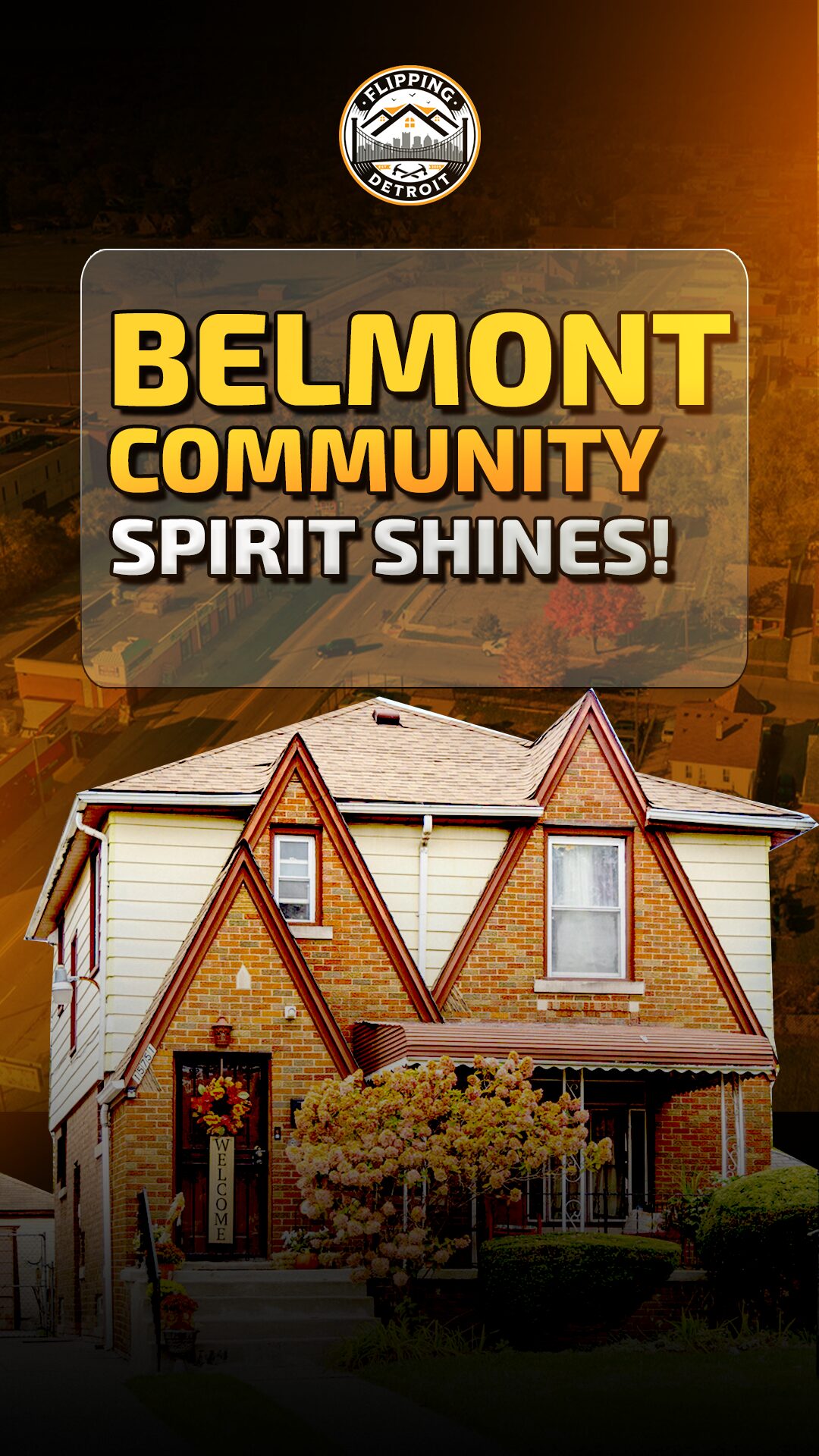
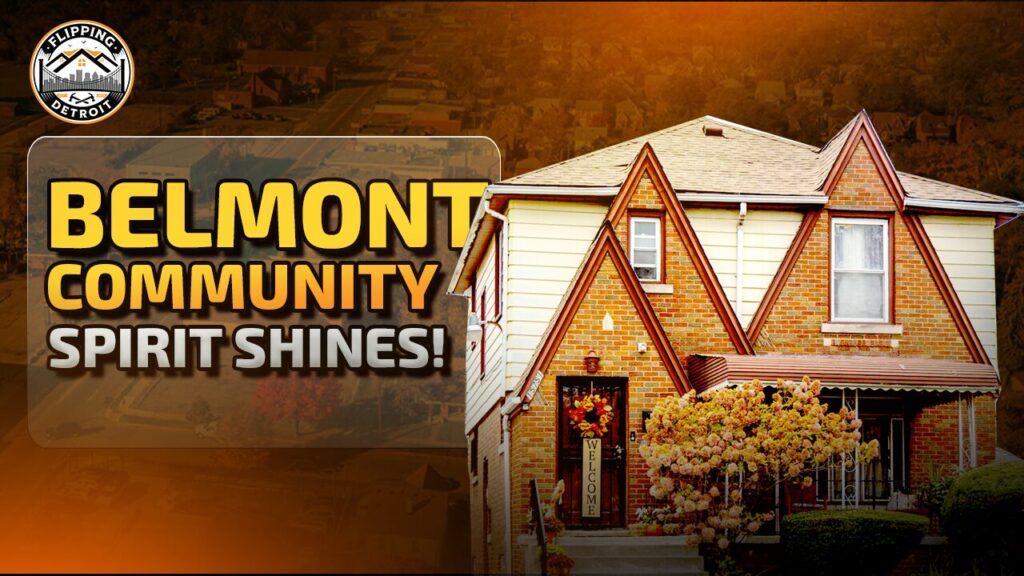
Belmont: Northwest Detroit’s Hidden Gem

Belmont is a charming Northwest Detroit neighborhood that got its start during the city’s mid-twentieth-century suburban expansion period, which saw a boom in people trying to escape the city’s industrial core for a quieter way of life.

It’s an affordable and peaceful pocket of the city with well-maintained brick homes, shaded blocks, and easy access to schools, parks, and Detroit’s main entertainment arteries.

Housing, Architecture, and Pricing

Belmont’s median home value sits around $70,000 to $80,000, making it a very attractive option for first-time buyers and investors alike.

Architecture here is dominated by ranch houses, small colonial-style homes, and brick bungalows, many of which were built between the 1930s and 1950s and feature details like decorative stone, wood trim, and large front porches that encourage warm neighborly relations.

Another huge perk is that over sixty percent of the homes in Belmont are owner-occupied, which speaks to its huge presence of multi-generational residents who have stuck around even in the face of steep citywide decline.

Schools and Recreation

Belmont residents are zoned through the Detroit Public Schools Community District, with most younger students attending John R. King Academic and Performing Arts Academy before continuing on to Renaissance High School, best known for its Advanced Placement courses and dual-enrollment partnerships with Detroit area colleges. 

As for outdoor space and recreation, the nearby Peterson Playfield has everything from basketball and tennis courts to a playground, a splash pad, and baseball diamonds.

There’s also Puritan-Coyle Park right within walking distance, loved for its open fields for sports, picnics, and neighborhood gatherings. 

Both parks serve as strong community anchors, connecting residents across generations and providing local children with plenty of great outdoor recreation opportunities. 

Challenges, Community, and Culture 

Much like all Detroit neighborhoods since the recession, Belmont has dealt with its fair share of struggles, from dilapidated infrastructure, abandoned properties, and a lack of ongoing maintenance from the city. 

That said, residents remain loyal and proactive, doing what they can to fight back by participating in monthly clean-ups, organizing block clubs, and lending their eyes and ears to neighborhood watch groups to help keep the area safe and protected.

Final Word

In short, Belmont may not be the most buzzed-about Detroit neighborhood, yet it reflects the city’s enduring spirit all the same: hardworking, resilient, and equally focused on its eclectic past and exciting future.

As city investment continues to expand westward, the neighborhood’s affordability and location could make it a hot spot for investors and further transformation efforts. 

Only time will tell.

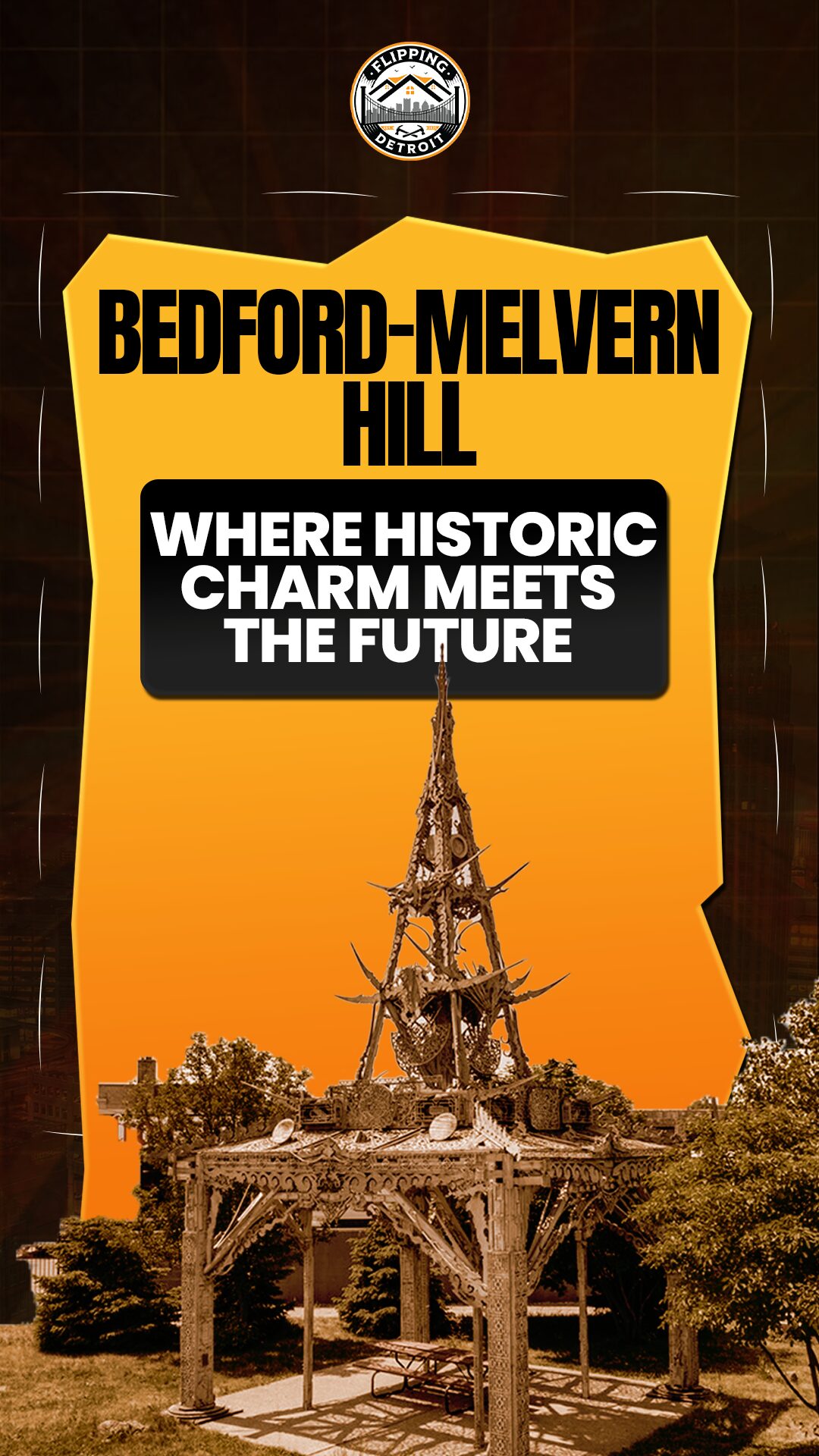
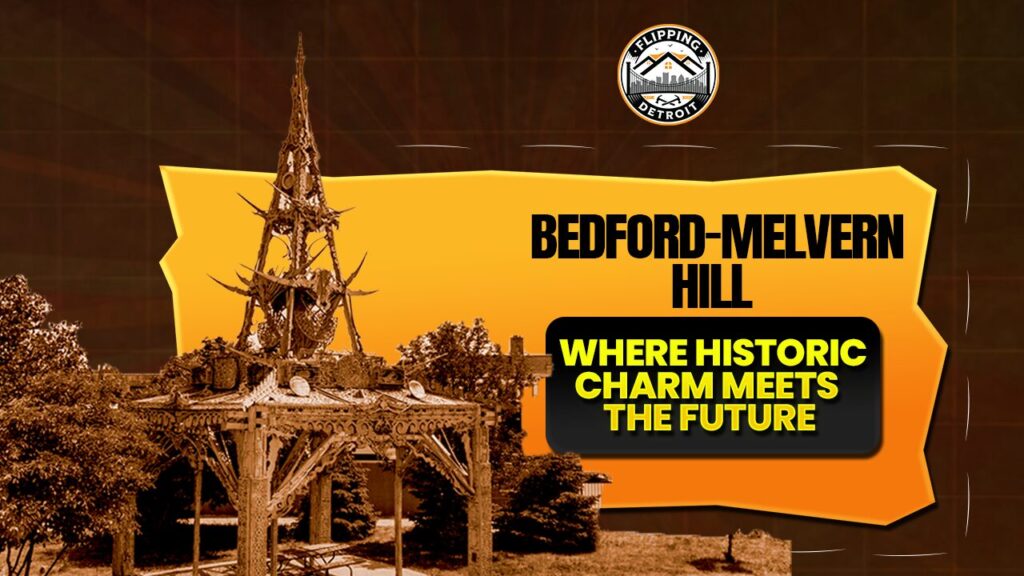
Bedford-Melvern Hill: A Suburban Hideaway Close to Downtown Detroit

48219’s Bedford-Melvern Hill sits on Detroit’s far northwest corner and was developed during Detroit’s westward expansion period between the 1920s and 1950s, when the city’s automobile boom caused the population to swell and created new jobs that brought a high demand for housing. 

Many of those original upwardly mobile homeowners were working class professionals and skilled workers whose pride and resilience still defines the neighborhood’s energetic signature today.

Historical Housing, Peaceful Environment 

The housing in Bedford-Melvern Hill brings to mind that rich history, with stately mid-century buildings like Tudor Revivals, Compact Bungalows, and Two-story Colonial Revivals with features like attached garages, arched entryways, pitched roofs, brick exteriors, and decorative stonework the most commonly seen.

Known for its suburban atmosphere, the Bedford-Melvern Hill neighborhood offers a contrast to the more urban areas of central Detroit while still being right within arm’s reach of plenty of amenities. 

Residents (roughly two-thirds of whom own their homes outright) describe life here as laidback, family-centered, and peaceful—a charming pocket of calm in a city known for moving fast.

Nearby Parks, Green Gathering Spaces, and Shopping

Bedford-Melvern’s Hill close proximity to green spaces is another huge plus. 

Residents here are just a short drive or bike ride away from Eliza Howell Park (one of Detroit’s largest green spaces), which offers everything from trails to picnic spaces for wildlife viewing and outdoor relaxation.

For those seeking more laidback outdoor experience, the 48219-zip code is scattered with a number of smaller playgrounds and pocket parks as well, all within twenty minutes of Downtown Detroit for outdoor shopping and dining.

For convenience to grocery stores, healthcare, and local eateries without heavy traffic, look no further than major corridors like Lahser and Grand River, both of which Bedford-Melvern Hill residents are just a few mile drive from.  

Community Dynamic, Schools, and Resources

Community pride is high in Bedford-Melvern Hill, with a number of groups in place that hold seasonal events and organize cleanups. 

There’s a strong sense of continuity here, with many local households stretching generations and passing down traditions that date back decades – like maintaining lush community gardens all residents can enjoy and running block clubs that push for better lighting, curbside appeal upkeep, and blight prevention.

As for schooling, families in the area are served by Detroit Public Schools Community District as well as a number of charter and private institutions such as University of Detroit Jesuit High School and Detroit Academy of Arts.

For public options, Communication and Media Arts High School and Cooke STEM Academy are two community favorites for their emphasis on college readiness, extracurriculars, and tech.

Final Word

In summary, Bedford-Melvern Hill stands as a model of Detroit’s rich architectural history and preservation.

Its stability, accessible location, thoughtful renewal efforts, and charming, slower way of life makes it one of District 1’s most livable communities. 

In a city defined by transformation, Bedford-Melvern Hill reminds Detroiters that the city’s past is still alive and well.