
or

By signing in, I accept the Rebuildetroit.com Terms of Use.

Agent Registration

Find Your Agent Profile

Agent Registration

Detroit’s Beating Heart: Community Violence Intervention Groups Doing the Work

Detroit is the kind of city used to rising from the ashes and rebuilding itself from the ground up – a city too often reduced to traumatic headlines and statistics, where everyday citizens are forced to put in real work to restore a sense of peace in the face of widespread governmental failure.

Here, Community Violence Intervention (CVI) groups are a lifeline, a way for neighborhoods to survive that would have otherwise been lost to gentrification and blight.

The stats speak for themselves:
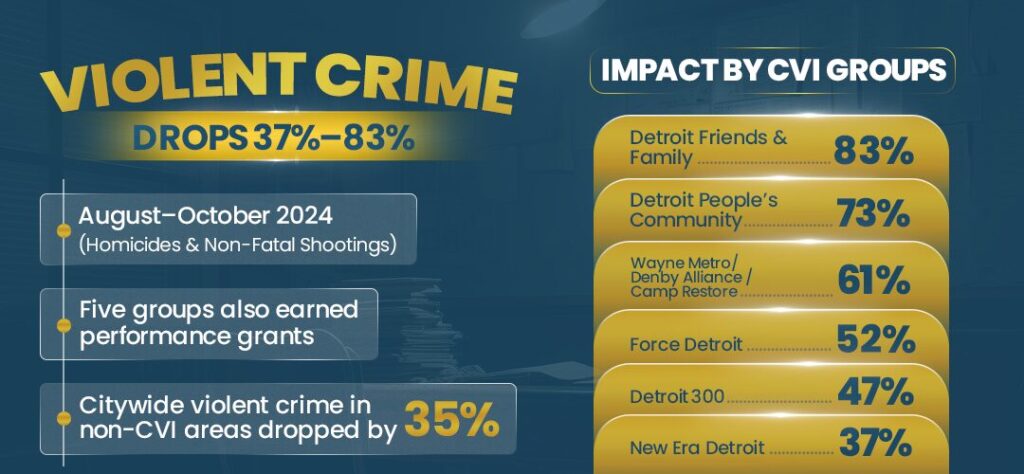
Below are some of the powerful local CVI organizations redefining what community safety means in Detroit, each with its own unique methodology and outlook on approaching crime prevention and healing.

People’s Action
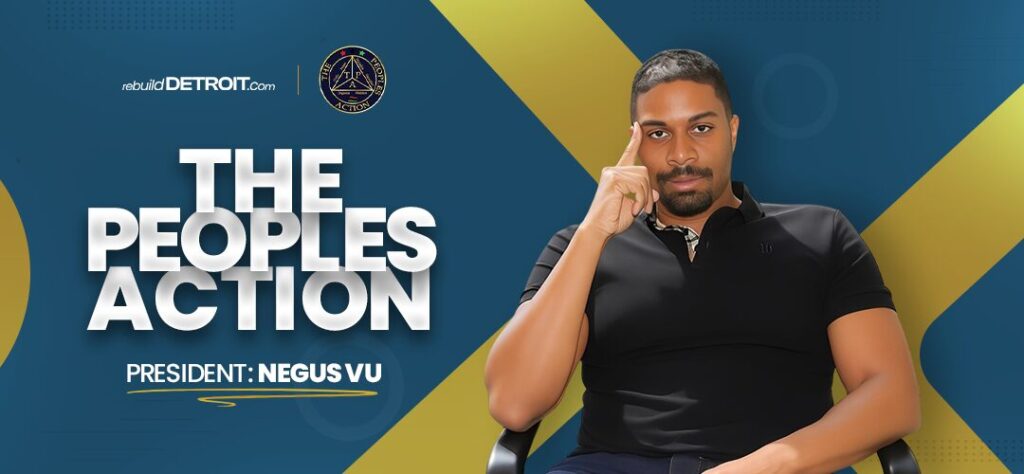
A product of Detroit’s East Side, People’s Action is about as real and raw as any community upliftment group can get. 

These aren’t volunteers that wait on securing funding or getting permission to act.

Instead, they simply do what’s needed in the here and now: showing up after shootings to de-escalate tension, comforting families, mentoring youth, delivering groceries to families in need, diffusing street conflicts, and offering people rides to work or job interviews.  

As part of the ShotStoppers program, People’s Action also created the “Adopt the Block” program, which serves as an avenue for neighborhood residents to take back their blocks with a sense of dignity, accountability, and love. 

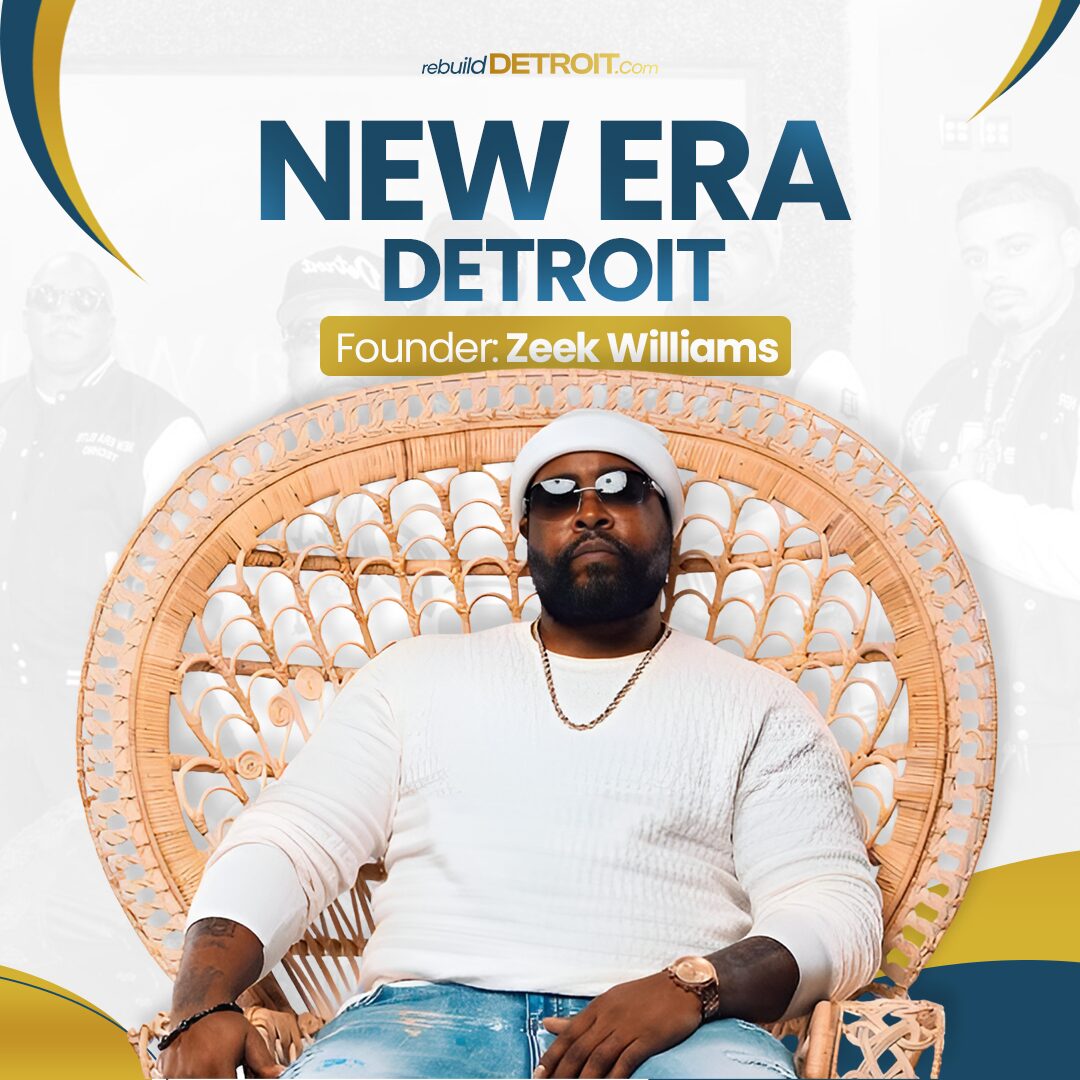
New Era Detroit

Since its founding in 2014, New Era Detroit has been a loud, proud, and unapologetically Black CVI combing street-level credibility with well-organized activism. 

NED not only patrols the streets – they also provide at-risk residents of the Metro with food access, educational empowerment resources, and conflict mediation, connecting youth to resources that aim to minimize the chances of a crime occurring before it can happen.

It’s a model that has produced results, with there being an impressive 53% drop in crime in their zone in 2024. 

Wayne Metropolitan Community Action Agency
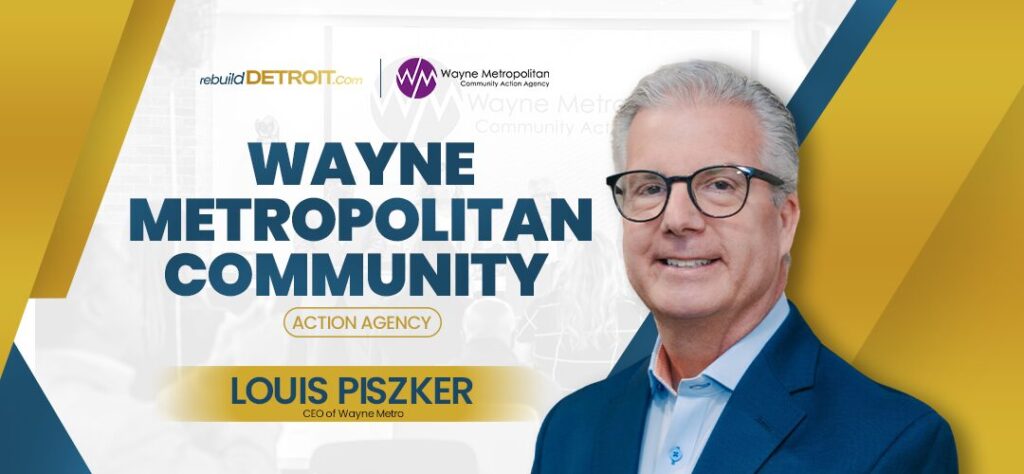
Wayne Metro is proud to be one of the largest nonprofits in Southeast Michigan.

Here, you’ll find devoted volunteers that support the city’s grassroots community violence intervention efforts by offering residents funding, trauma-informed outreach services, and resource management. 

They also do their part in addressing the root causes that lead to crime, such as housing instability, poverty, and at-risk youth, even partnering up with local orgs like Denby Neighborhood Alliance to make sure smaller CVI groups across Detroit have the tools they need to make a lasting impact

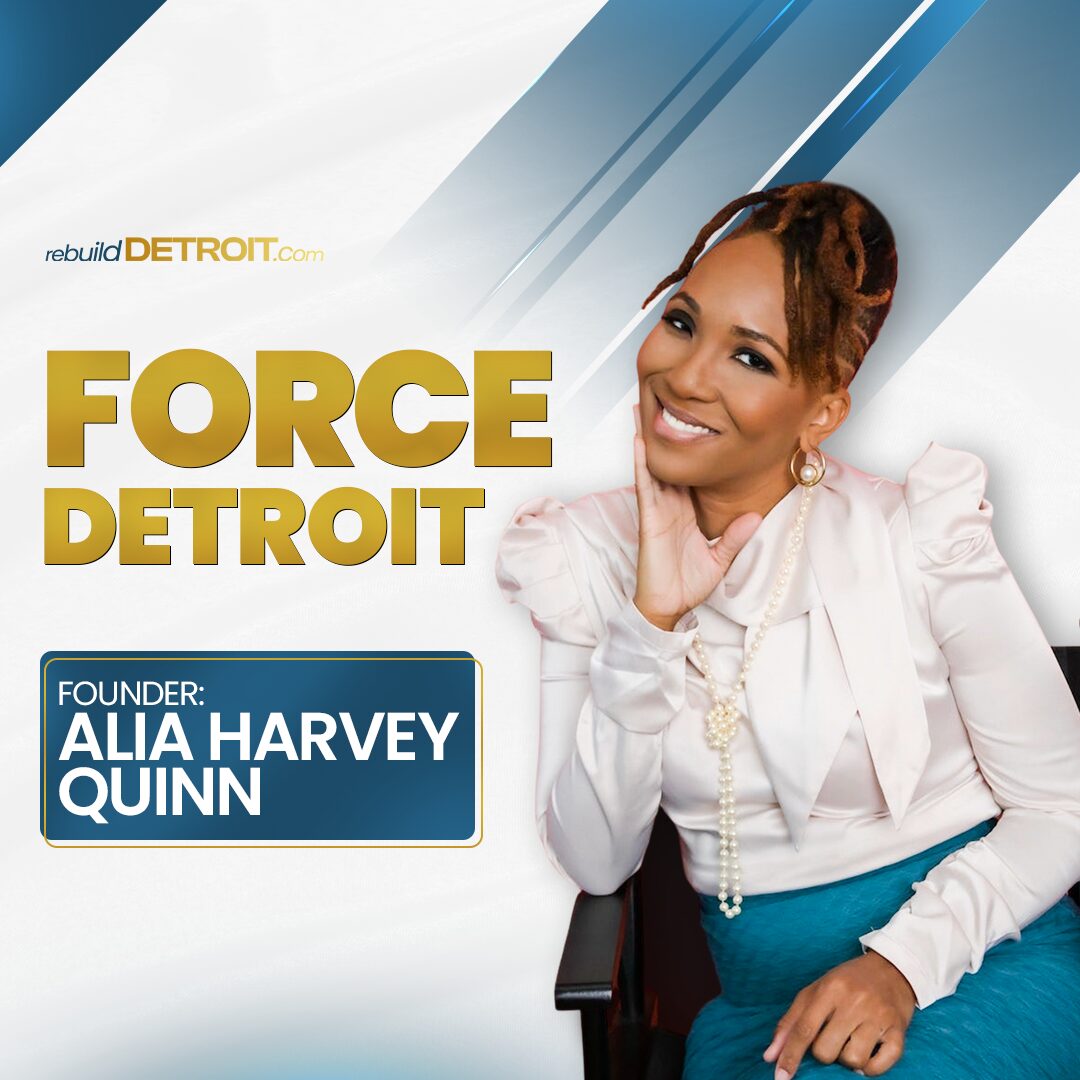
Force Detroit
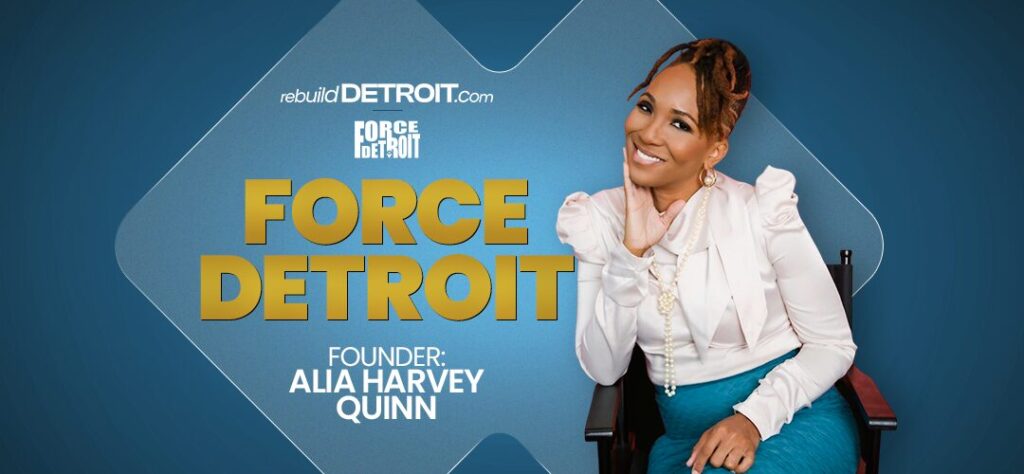
Founded in 2015 by activist Alia Harvey-Quinn, Force Detroit is a CVI that hopes to restore peace to Detroit’s most blighted areas, rebuilding trust in the process.

They don’t rely on police.

 Instead, they do what the police often won’t, utilize credible local advocates with deep ties to the very same streets they serve for everything from trauma response to mentorship programs.

Under new leadership since 2025, they continue to lead with dignity, healing, and results.

Detroit Friends and Family
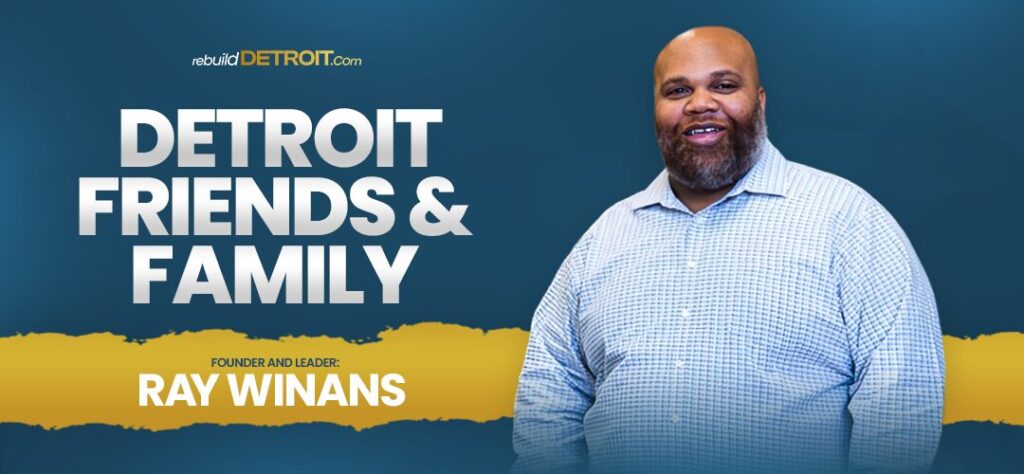
Detroit Friends and Family is a crime prevention and community upliftment organization that firmly believes violence can be stopped with love, not just lectures.

Founded by Ray Winans, the organization is proud to provide everything from gang meditation to court advocacy to jail visitation and neighborhood outreach.

Their “safe surrender” model has also helped reduce violent crime in their zone by an impressive 80%, proving they don’t just wait for youth to show up…they go out and find them themselves, getting to them before the streets can.

The Detroit 300

Detroit 300—a neighborhood patrol that utilizes citizen volunteers— is a community violence intervention organization that was founded in the wake of a child’s tragic murder.

Since then, they’ve evolved into the Detroit 300 Community Action Team, their work spanning everything from mentorship to conflict resolution and self-defense classes.

They’re the type of people that always show up – whether it’s 1 PM to talk to troubled youth at a school or 1 AM after a shooting has occurred—they’re always there, no questions asked.

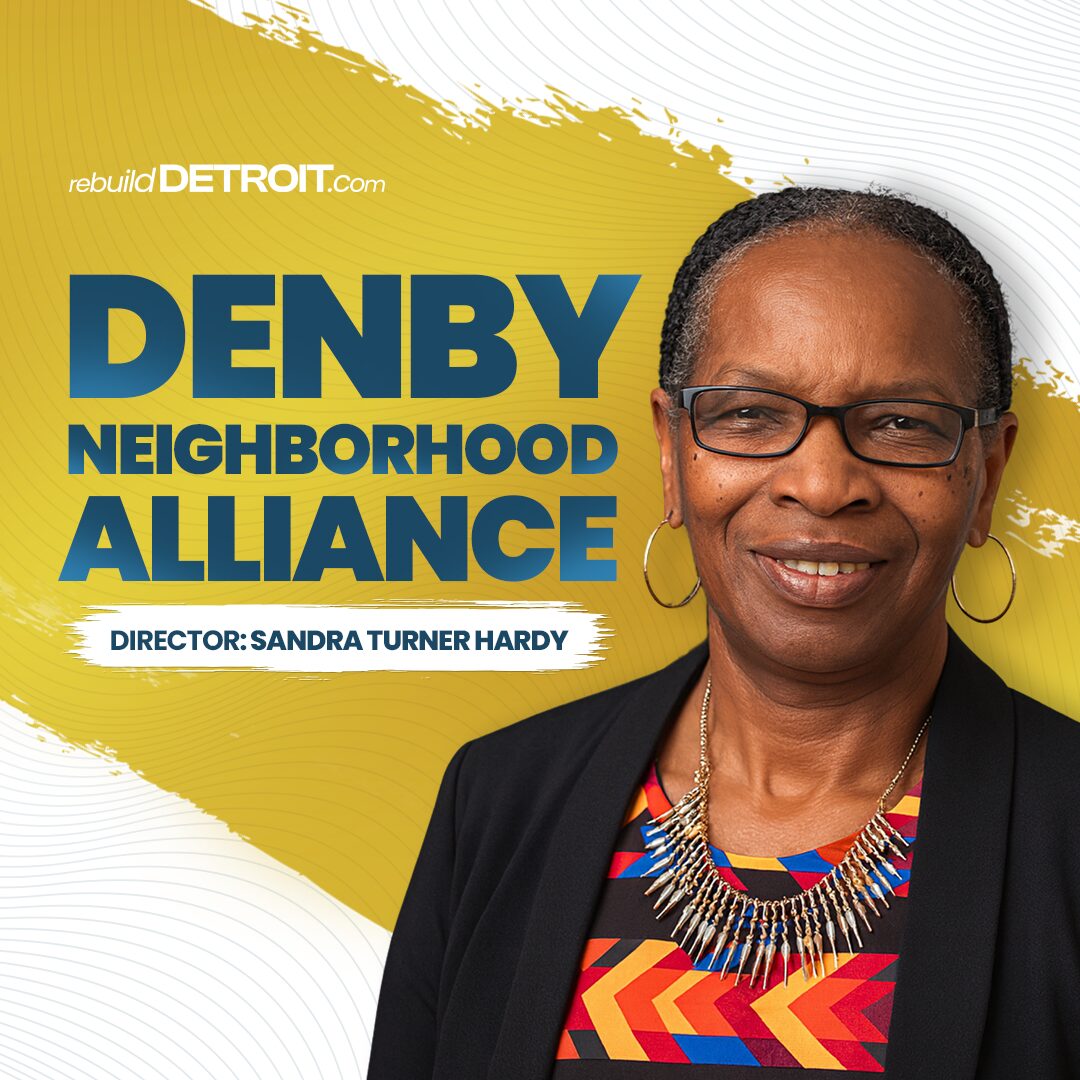
Denby Neighborhood Alliance
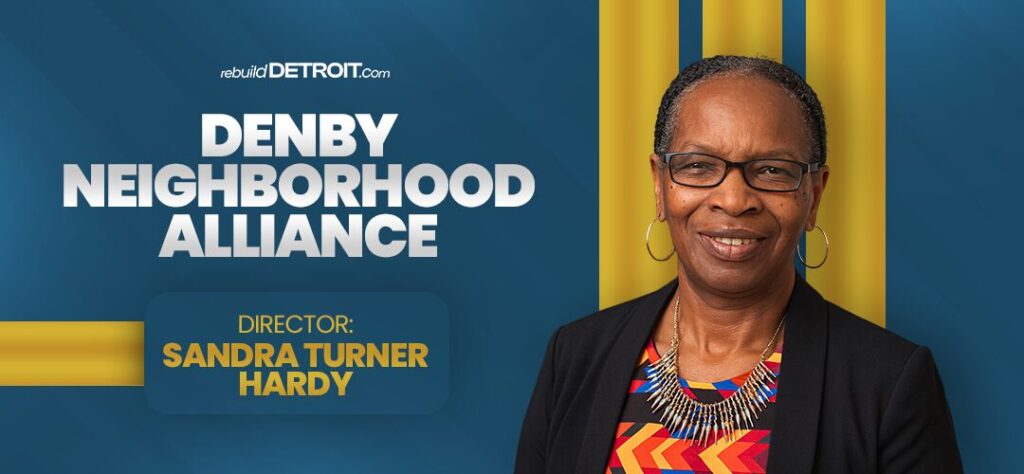
Denby Neighborhood Alliance is a CVI with a mission to transform at-risk youth into future leaders.

Under Denby’s guidance, area teens don’t just attend events – they run them themselves, acting as peace ambassadors and conflict mediators that do everything from organizing walks and peace circles to holding trauma-response training classes alongside block captains.

In short: Denby proves that investing in Detroit’s area youth isn’t mere charity work—it’s strategy in and of itself.

Ceasefire Detroit
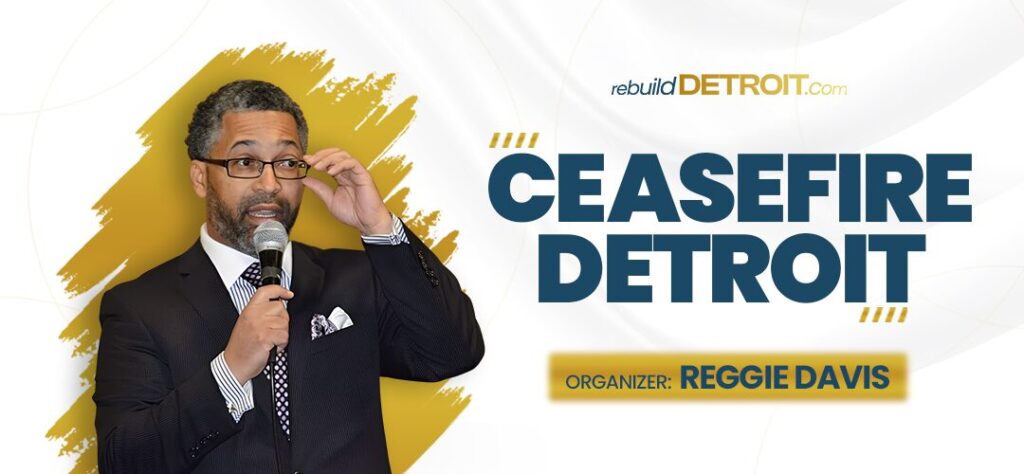
Ceasefire Detroit is the Metro’s longest-standing CVI program, one that brings a little bit of everything to the table: social work services, law enforcement, clergy, and above all else, community outreach.

The organization is best known for providing high-risk individuals with a choice: they can either take full accountability for their actions and work to pave out a brighter future for themselves, or they can become just another statistic. 

Though considered controversial to some due to their “scared straight” nature, the organization continues to evolve, partnering with Detroit’s ShotStoppers as well as other local grassroots orgs to stop the next senseless death from occurring before it can.

They may not always have all the right answers, but they always show up with the right question: “what do you need?”

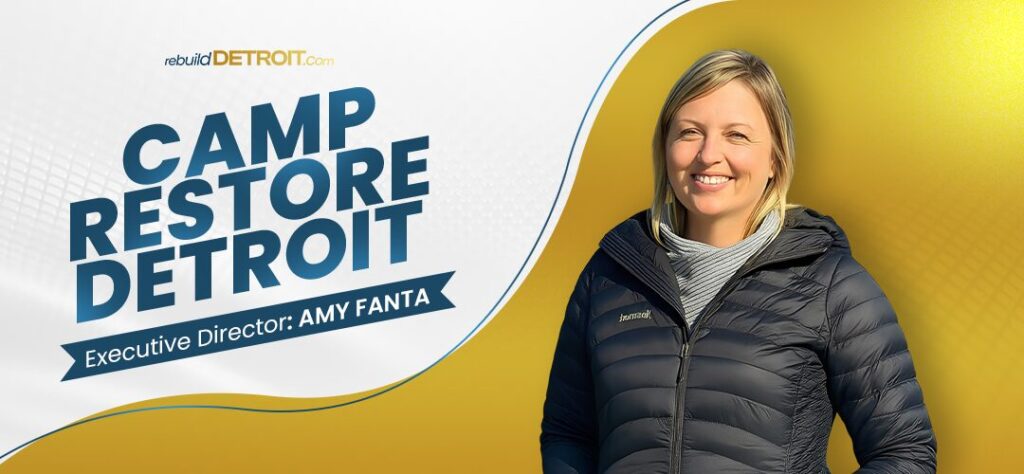
Camp Restore Detroit
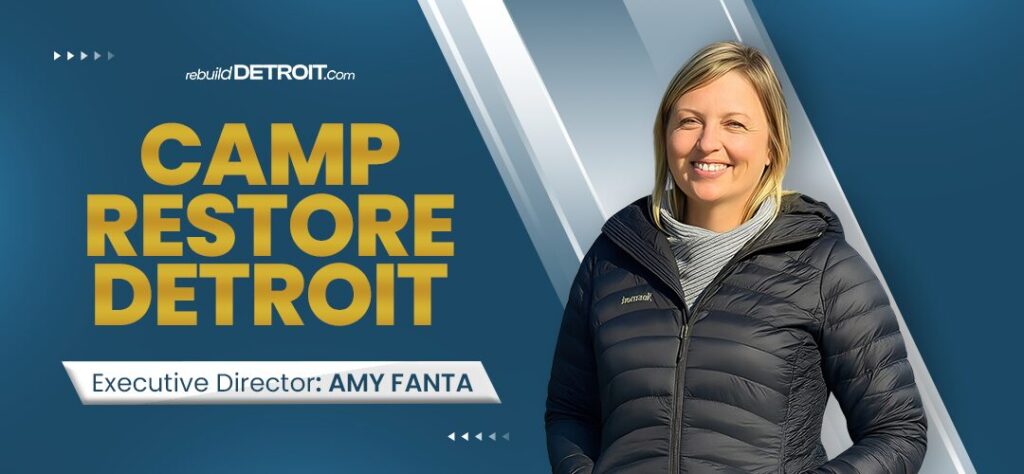
Camp Restore is a faith-based community violence intervention organization that aims to transform Detroit’s most battle-scarred, trauma-filled neighborhoods through hands-on volunteer work.

These are activists that sacrifice their time to do everything from mowing lawns to delivering groceries and rebuilding abandoned homes, beautifying the city’s most blighted blocks and greatly reducing the triggers that lead to violence erupting in the first place.

They also work closely with Denby Neighborhood Alliance, teaming up with them to provide at-risk residents with spaces of healing and safety.

Beat Da Odds

Beat Da Odds is a youth-focused CVI tackling violence head-on, one backed by volunteers that are no stranger to struggle. 

In fact, many of them have had to overcome extreme adversity themselves, taking that experience and wisdom into jails, schools, and rec centers to intervene with at-risk youth before the streets can swallow them whole.

Through active mentorship, engaging youth panels, and even a CVI basketball league, Beat Da Odds has proven that early intervention is not just preventive—it’s a vital part of ensuring a brighter future for everyone. 

One City, Many Frontlines

In summary, all of these Community Violence Intervention organizations form a living framework of resistance and resilience in a city that has grown far too comfortable with being let down.

These are Detroit’s devoted peacemakers, protectors, possibility-builders – each with their own unique flavor, each united by a shared truth:

No outsider is coming to save Detroit’s most blighted areas.

The people of the city will have to save themselves.
Camp Restore Detroit: Restoring Peace Through Hard Work, Prayer, and Presence

In a city defined by its abandoned homes and empty lots that have borne witness to decades of trauma, Camp Restore Detroit has quietly become a place of revival and refuge.

In partnership with Mt. Calvary Lutheran Church, Camp Restore is a faith-based volunteer and neighborhood restoration program located in Detroit’s Denby neighborhood.

Far from a traditional community violence intervention group, their work aims to support the city in violence reduction through environmental repair, community beautification, and service-based outreach.

Each year, hundreds of local and national volunteers paint, clean, build, mow, haul, and heal at Camp Restore. From repairing abandoned homes to converting empty lots into lush new green spaces, they aim to reduce physical and psychological triggers for violence. 

A blighted house cannot pull a trigger, but it can create the despair that can lead to such situations.

Camp Restore wants to put an end to that.

They also house and feed visiting volunteer groups in dorm-style accommodations – one of the city’s few full-service camps. 

Together with other community violence intervention groups like the Denby Neighborhood Alliance, they support safe-zone development, youth engagement, and host healing spaces for families affected by violence, utilizing Christian-based service work to make a strong social impact across religions, races, and generations. 

In short: Camp Restore doesn’t just restore homes.

They restore faith in a brighter tomorrow.

Beat Da Odds: Providing Detroit Youth with a Fighting Chance

In Detroit – a place where generational poverty and street violence have shaped far too many childhoods – Beat Da Odds is more than just another afterschool program…it’s a movement that aims to restore hope and rewrite futures. 

From school hallways to community centers, this grassroots CVI organization is showing youth that the deck doesn’t have to be stacked against them.

Beat Da Odds believes that support and opportunity are the best antidotes to failure, which is why its volunteers work with middle and high school students in neighborhoods marked by trauma, disinvestment, and violence. The name says it all: these children don’t have to be statistics.

With early intervention, they can beat the odds and take hold of a brighter future.

Part of what makes Beat Da Odds so unique among Detroit’s growing network of CVI organizations is its integration with education.

These volunteers don’t wait for violence to erupt – they go where young people are – schools, juvenile facilities, recreation centers – and they provide mentorship, trauma support, life skills, motivational speaking, and direct resource delivery programs wherever possible.

There’s no sugarcoating. No soft talk. 

Beat Da Odds volunteers are real people with real experiences – people who have been down similar paths to those they help – broken homes, foster care, drug and alcohol addiction, incarceration – they’ve seen it all, lived it all, and are living, breathing proof that a better way is possible.

Case in point: In 2023, Beat Da Odds made major strides by partnering up with the City of Detroit’s ShotStoppers program, which took American Rescue Plan dollars and invested them into local CVI efforts. 

The results were staggering:

A steep decrease in violence in the intervention zone and an 18% drop in gun crime in Detroit overall. 

The exact metrics vary, but the impact is undeniable: youth are staying in school, avoiding street conflict, and imagining better futures beyond survival.

In addition to direct intervention, Beat Da Odds hosts community healing events, youth panels, and neighborhood forums where residents can express concerns, grieve, and imagine a better future. 

On top of that, they co-host an Advocacy Day each year with other CVI groups that attracts hundreds of Detroiters – from teachers and parents to lawmakers and students – who want to change the story for the better.

In addition to this, Beat Da Odds also partners with other organizations such as Detroit 300, the People’s Action, and Force Detroit on city-wide campaigns to connect prevention with empowerment. One recent example is the 2025 CVI Summer Basketball League for Youth, a therapy-based initiative that promotes teamwork, discipline, and goal setting.

In short: In a city where public funding is unpredictable, Beat Da Odds has long been vocal about the need for consistent, community-driven investment. 

These are not mere volunteers. 

This is heart work – the kind that saves lives.

From the hallways of Pershing and Cody to the sidewalks of 7 Mile, Beat Da Odds aims to support those marginalized, giving them a second lease on life. 

Ceasefire Detroit: A Community-Powered Organization Aiming to Stop Gun Violence

Ceasefire is a community violence intervention program that often comes up whenever Detroit discusses stopping gun violence. 

The city’s longest-running and most recognized CVI, Ceasefire’s foundation is based on hard truths and real opportunities, which they achieve through a partnership model that includes community members, law enforcement, clergy, and social service providers. 

Originally inspired by a National “Group Violence Intervention” framework developed by the National Network for Safe Communities, Ceasefire Detroit targets those most at risk for gun violence – victims or perpetrators. These are usually young men in the streets who make wrong decisions that lead them to difficult circumstances.

However, what makes Ceasefire unique is its face-to-face approach. 

It uses “call-ins,” where small groups of high-risk individuals are invited – sometimes mandated – to participate in community forums. 

They are then greeted with a united front: police officers offering consequences, service providers offering help, and community voices offering hope. 

The message is simple: straighten up, or your future will not be pretty. 

Of course, Ceasefire does more than just preach accountability – it offers a strong pathway out.

Such pathways include job training, education support, mental health counseling, re-entry, and housing assistance for anyone who genuinely wants to leave violence behind.

Not only that, but Ceasefire facilitators also organize peace walks, candlelight vigils, and community outreach in post-violence communities, acting as moral anchors and outreach workers – many of whom come equipped with real experience with gangs, incarceration, or trauma that help them build trust with those less likely to listen.

That said, Ceasefire Detroit has faced criticism, particularly regarding its close relationship with law enforcement and whether or not its interventions are lasting. 

In fact, a comprehensive evaluation in 2022 labeled the organization as “ineffective” in reducing group-related gun violence overall, yet that same report found that Ceasefire call-in attendees were significantly less likely to be arrested than non-attending peers. 

That is progress – even in a challenging environment – not necessarily perfect, but necessary. 

Ceasefire has continually evolved since its introduction, especially as community stakeholders strive to make it more transparent, more human, and more responsive to what neighborhoods actually need.

Today, it remains one of Detroit’s key CVI anchors, partnering with grassroots groups, block clubs, and other ShotStopper-funded efforts.

In a city fighting to reclaim its blocks from gunfire daily, Ceasefire Detroit is about more than just stopping a bullet: it aims to give people a reason not to pull the trigger first.

Denby Neighborhood Alliance: Letting the Youth Lead & Keeping Blocks Safe

Not all Detroit stories are about broken systems. 

Others are about people doing things themselves when the system fails to show up. 

One such group on the East Side – in the Denby neighborhood between Chandler Park and the high school named after it – does exactly that.

The Denby Neighborhood Alliance is not a flashy organization backed by PR specialists and celebrity endorsements. 

It depends on trust – real trust – built block by block, with consistency and love. 

It’s a group that has strong roots in Denby history – history that rarely makes the headlines:

Closed schools. Boarded-up homes. Playgrounds with busted swings. 

Rather than waiting around for developers or six-figure grants to fix things, the Denby Neighborhood Alliance does it all themselves, believing that sometimes you have to start with what you have: youth.

All of their models are about uplifting young people – not as “at-risk” youth, but as leaders. 

Teenagers from the neighborhood become peace ambassadors, conflict mediators, and peer mentors, overseeing local community safety efforts, organizing events, and keeping the block cool when tensions are high. 

They do it because it’s home – not because somebody told them to.

In 2023, the Denby Neighborhood Alliance was one of six local organizations selected for Detroit’s ShotStoppers initiative – an investment in grassroots violence prevention. 

Their focus: Gun violence reduction through education, daily visibility, and what they call “radical relationship-building.” Translation: Showing up before the crisis occurs. Being there. Listening. Knowing who needs a ride, a listening ear, or a meal.

Denby also holds monthly peace circles where teens, parents, and former gang members can vent. 

They’ve helped found Violence-Free Zones in local schools, train block captains to recognize trauma signs, and de-escalate neighborhood tension without police help, as well as holding healing walks where generations walk side by side for change – from teens to elders.

In response, the statistics are speaking for themselves:

Violence is down. Local youth are walking taller. Neighbors are talking more. And most powerfully, young Black boys are seen not as threats, but as solutions.

The Denby Neighborhood Alliance may have no national consultant on retainer, but they don’t need one.

What they’ve built through trust, love, and time works. 

And the best part is: it’s all theirs.

Force Detroit: Creating Peace from the Ground Up

In the shadow of Detroit’s most underserved neighborhoods, where trust is a rare commodity and violence is a daily ritual, Force Detroit is doing something radical: truly listening. 

Not policing. 

Not preaching. 

Listening. 

From that, something powerful is being built: 

A justice-dignity-healing community model of public safety.

In 2015, longtime activist and organizer Alia Harvey-Quinn founded Force Detroit out of the Cody-Rouge neighborhood in response to the systemic violence and inequity unfolding in the city. 

Not relying on traditional law enforcement strategies, Force Detroit is devoted to putting an end to systemic violence and those most affected by it.

These are people with deep street experience – oftentimes the formerly incarcerated or gang-affiliated – who have something no outsider can fake: relatability.

Force Detroit prepares these leaders to be first responders in conflict, mentors to youth, and community ambassadors that help the at-risk escape cycles of violence.

That said, Force goes beyond just boots on the ground. 

Under Harvey-Quinn’s leadership, the organization has developed trauma-informed care, mental health resources, youth programming, community organizing efforts, and even spiritual healing circles, with them sometimes teaming up with churches, schools, and other ShotStopper community violence intervention orgs.

In 2023, Force Detroit was even selected by the city of Detroit for funding under the city’s ShotStoppers program, which utilized American Rescue Plan dollars and helped them reduce violence by a 18% drop in 2024 alone – a result of both strategy and strong community buy-in.

Not only that, but Force Detroit is also going hard on civic reimagining, training residents in politics, restorative justice, and leadership. 

This is about more than just stopping bullets – it’s about changing the conditions under which violence seems like the only option.

Change in Leadership

In late 2024, after nearly a decade at the helm, Harvey-Quinn handed the torch over to a new generation of leaders. In January 2025, DuJuan “Zoe” Kennedy took over as Executive Director, reflecting the Force’s commitment to succession planning and community-based leadership.

That said, no matter who’s at the top, Force Detroit remains what it has always been: a force to be reckoned with…one devoted to restoring peace on Detroit’s streets.

New Era Detroit: A Detroit Based CVI Working to Reclaim its Streets

In a city where many nonprofits fail before ever truly lifting off from the ground, New Era Detroit (NED) stands in a league of their own.

They never ask for permission, nor do they require any applause.

They simply show up – loud, organized, and unapologetic.

New Era Detroit was started in 2014 by its founder, Zeek Williams, out of sheer frustration: police brutality was at an all-time high during this time, as was systemic abandonment, and Zeek had simply had enough of sitting idly on the sidelines watching it happen. 

From this yearning, New Era Detroit was born – a neighborhood-based power structure with a strong focus on Black self-determination.

The organization firmly believes that people can and must police, protect, and provide for their own communities, which they put into practice by organizing everything from street cleanups to grocery deliveries, educational forums, and violence interruption techniques.

Long before community violence intervention was even an acronym, New Era Detroit was out doing the work.

They then joined the ShotStoppers initiative in 2023, becoming one of six Community Violence Intervention organizations funded by ARPA dollars, which led to an impressive 53% drop in violent crime by late 2024 (the highest reduction of any CVI org in the city of Detroit that quarter).

New Era accomplished this by combining their grassroots base with high-risk intervention strategies, from credible messengers dispersed throughout neighborhoods to safe zones identified via their mobile app.

That said, unlike most traditional CVI groups, New Era Detroit does not see any difference between activism and prevention – whether they’re stopping a fight between two teens or marching in a 200-person demonstration against gentrification.

Regardless, the mission is the same: stopping gentrification and doing whatever is necessary to protect the interests of Black Detroiters, which they accomplish by partnering up with schools, block clubs, barbershops, and Black-owned businesses that provide wraparound support, including conflict mediation and school supplies for mental health services and clean water.

They also have their New Era Nation Ten-Point Program, which works to establish economic control, safety, food access, education, and cultural sovereignty for Black communities all across America – not just in the Metro area.

And while Detroit is still their proud base of operations, the movement has since gone international, including chapters in Atlanta, Dallas, Los Angeles, and Chicago – all while remaining firmly rooted in the city’s East Side neighborhoods. 

“We work for the city,” Zeek Williams often says. “We work for the people.”

In return, many Detroiters see New Era as a neighborhood safe space – a megaphone at the corner of Gratiot and Harper reminding folks that the block still belongs to them.

In short: New Era Detroit is not playing defense in the Metro’s war against violence, erasure, and systemic abandonment. 

They’re the ones writing the playbook on how to fight it.

People’s Action: Real Help for Detroiters from the People who Actually Live Here

In Detroit, help for the disenfranchised isn’t always something easy to come by. It often arrives late if it even arrives at all – but some don’t wait.

Some simply show up and do the work.

That’s The People’s Action – not some distant nonprofit defined by fancy buzzwords and billboards, but a hands-on community upliftment organization born on the city’s East Side.

At its core, this is neighbors helping neighbors – everyday people who deliver groceries before fridges even have a chance to go empty, check up on grieving families after traumatic events like shootings, and show up to drive people to work and job interviews whenever needed.

 There’s no red tape. No paperwork. No endless loopholes to jump through.

Just action – plain and simple.

Today, People’s Action is considered one of the most trusted grassroots community violence intervention organizations in the city, one that provides everything from food access to youth mentorship, economic support, and mental health services.

They don’t want to reinvent the wheel.

Their only aim is to keep it turning.

At People’s Action, the people volunteering for outreach work often live right on the block and have experienced its struggles firsthand, from poverty to incarceration to loss and everything in between. 

One of the organization’s biggest projects is Adopt the Block, a program that puts ownership back in the hands of the community at large, allowing local leaders to take responsibility for the streets they live on – whether that means handing out Narcan, settling disputes before they get violent, or being a safe person kids can talk to. 

It’s local. 

It’s personal.

And it works.

People’s Action has also played a key role in Detroit’s violence prevention work, especially since joining the Detroit’s ShotStoppers program in 2023. Through the program, they work with organizations like Beat the Odds, Detroit 300, and Force Detroit to be first responders with shootings, decreasing tension, minimizing the odds of retribution taking place, and lending an ear to traumatized families.

That said, not all crisis work is of the same nature.

People’s Action also plays an active role in crime prevention work, funding summer programs and creative workshops as well as fostering real relationships with at-risk area youth. 

In 2025, they even started the Community Violence Intervention Basketball League for teens, giving them something to look forward to in order to take their minds off of the streets.

In short: People’s Action is not here to save the city of Detroit.

 They simply have a deep enough love for it to do the hard stuff no one else wants to be saddled with.

Where fear has lingered far too long, People’s Action is doing something else: 

Restoring hope. 

The Detroit 300 Community Action Team: City Watchmen, Guardians of the Block

Long before community violence intervention acronyms, American Rescue Plan dollars, or national headlines, there was the Detroit 300 – concerned citizens, clergy, and retired professionals who said: enough is enough.

Launched in 2011 by founder/owner/community activist, the late Eric Ford, Detroit 300 was not born out of a think tank. 

It was born on the pavement:

That would be 12-year-old Samantha Lee, killed in a carjacking in broad daylight. 

The city’s slow response to her death started a movement: One that stood for community justice, neighborhood accountability, and for the idea that Detroiters need not wait for the system to save them.

Black jackets and black boots on the ground, along with a code of honor, Detroit 300 stormed the scene to help the police by being the “eyes and ears” in neighborhoods largely void of conversation.

The organization had hundreds of trained citizen volunteers in the city at one point, with men showing up where crime occurred, protecting seniors from theft, and taking women to and from work as well as walking children to school.

They had no weapons, but they were present, and in neighborhoods where trust in law enforcement was deeply fractured, that presence mattered.

As national conversation about community violence shifted from policing to prevention, the Detroit 300 became the Detroit 300 Community Action Team (CAT). 

They now work with organizations like Beat the Odds, the People’s Action, and Wayne Metro to stop gun violence before it happens, mixing traditional patrol work with modern intervention tactics: Mentoring at-risk youth, showing up after shootings to quell tensions, and resolving neighborhood fights before they become deadly.

After all, one of the qualities making Detroit so special is its multigenerational leadership.

It’s a city where you’ll find veterans, former city workers, retired professionals, and new recruits of all ages patrolling city blocks, exchanging wisdom, and acting as a bridge between what was, what is, and what can be.

On top of that, the Detroit 300 hosts community safety, self-defense, emergency response, and civic engagement workshops, resurrecting their Saturday Patrol Program in recent years in areas where car theft and street violence have had a huge negative impact on daily life.

They aren’t the flashiest group in the city’s community violence intervention portfolio, but they may just be one of the most reliable. 

Though the Detroit 300 won’t chase the media, they will chase down a suspect who hurts a neighbor.

And while no one gives out fancy business cards, they instead give out groceries, diapers, and rides to court, always showing up – whether it is 2 PM on a school block or 2 AM after gunfire.

Through it all, Detroit 300 has remained true to their founding mission: Protect people, empower the block, and honor the fallen by making sure there are fewer of them in the future.

Wayne Metropolitan Community Action Agency: Restoring Neighborhood Safety the Hands-On Way

Wayne Metropolitan Community Action Agency (Wayne Metro) is one of many CVI organizations working to hold it all together in the Metro area as far as crime and blight reduction goes.

Thanks to funding from various nonprofits and community upliftment programs, Wayne Metro is restoring safety from the inside out all across Wayne County as one of the largest nonprofit agencies in all of Southeast Michigan – one backed by over 40 years of experience. In 2023, they were even selected to be a partner for the City of Detroit’s ShotStoppers initiative, which aims to scale up local safety work.

The organization’s overall mission is simple: to put an end to poverty and disenfranchisement in Detroit by promoting self-sufficiency through housing support, education, workforce training, financial literacy, clean water access, and youth programming.

Another bright spot about the organization is that instead of sending outreach workers out onto the streets, Wayne Metro gives back by giving smaller community violence intervention groups like Denby Neighborhood Alliance the tools to operate effectively, from grant administration and case management to trauma-informed training, family support services, and strategic planning.

They also work to directly address violence prevention through trauma-informed youth programs, safe passage corridors, and neighborhood stabilization projects, as well as partnering with schools, churches, and block clubs to provide safe housing, emergency utility assistance and after school programming.

In other words, they put in hard work to eliminate many of the triggers that lead to youth being put in dangerous situations in the first place, doing most of their work out of their East Side field office, which houses housing counselors, social workers, mental health staff, and economic mobility coaches.

In short: Wayne Metro does not merely interrupt violence.

They work overtime to keep it from happening in the first place.