
or

By signing in, I accept the Rebuildetroit.com Terms of Use.

Agent Registration

Find Your Agent Profile

Agent Registration

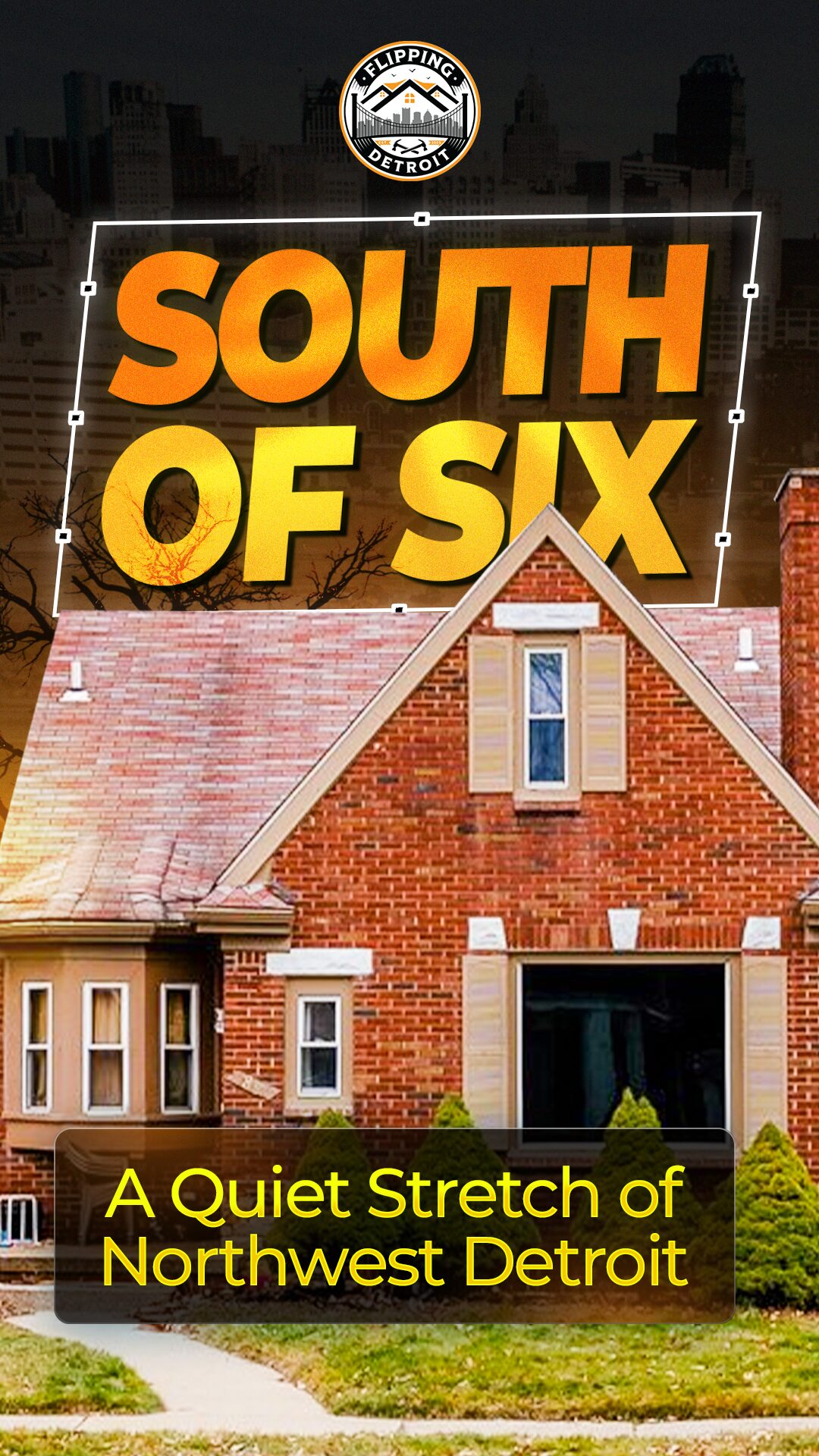
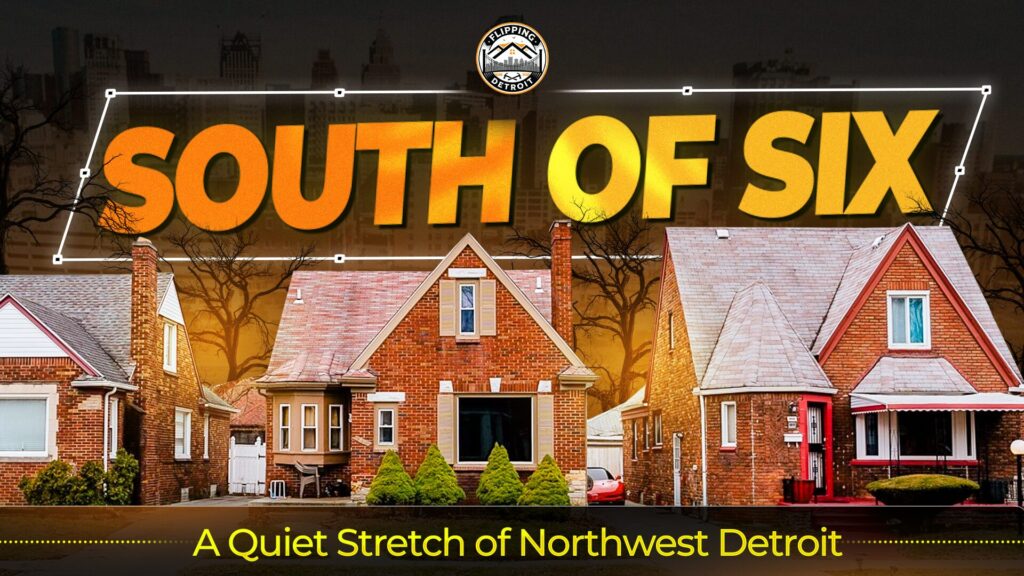
South of Six: Northwest Detroit’s Heartbeat

McNichols Road (Six Mile) staple, South of Six, is one of Detroit’s most grounded neighborhoods thanks to its rich history of being a place of prosperity for mid-century factory workers, educators, and returning WWII veterans.

Located in District 1’s 48235 ZIP code, South of Six is a community-driven northwest Detroit neighborhood that manages to strike the perfect balance between residential peace and quiet and big city convenience.

It’s the kind of place where block clubs host lively events, neighbors still look out for each other, and gospel music is often heard drifting out of open windows. 

As for its history, South of Six came about in the 1940s through to the 1950s during Detroit’s population boom, which is obvious when you take in the architecture here.

Think affordable but attractive ranch-style homes, Cape Cods, and solid brick bungalows that often still have many of their original detailing, withstanding the test of time.

These homes quickly became filled with working and middle-class families seeking stability: hardworking, proud people that would go on to put down deep roots in the South of Six area, handing down their homes through the generations.  

Here you’ll find a mix of newcomers, second- to third-generation residents, wise elders who still remember the area’s golden age, and young families on the come up – living proof that South of Six is a neighborhood that honors its history just as much as its revival.

Culture, Family, and Fellowship

Faith is one of the core pillars of South of Six’s cultural identity.

Look no further than Greater Grace Temple, one of Detroit’s largest and most gregarious congregations.

Best known for its massive campus on Seven Mile that often hosts events like college fairs, food drives, and benefit concerts, Greater Grace Temple isn’t just a place of worship – it’s an active South of Six community hub.

Looking for a more laid-back church experience?

The many smaller churches around the neighborhood have you covered, each with its own unique offering of outreach programs and community services.

Not only that, but the many block clubs around South of Six also do their part in giving back by organizing cleanups, hosting summer block parties, and holding school supply drives so that neighborhood youth never have to go without what they need to carve out a successful future for themselves. 

Local Eats and Recreation

South of Six residents are right within reach of some of Detroit’s best-loved dining and recreation destinations. 

A few area favorites include:

  • Livernois’ bustling “Avenue of Fashion”
  • Good Cakes and Bakes for delicious baked goods
  • Table No. 2 for an upscale dining experience
  • Palmer Park for outdoor fun and gorgeous wildlife
  • And last but certainly not least, the legendary Baker’s Keyboard Lounge for jazz and networking 

As for daily essentials, there are a number of smaller neighborhood grocers, beauty supply stores, barbers, and old-school carryout spots that stay open late enough to satisfy those late-night munchies.

In short: there really is something for everyone here. 

South of Six: A Model of Detroit’s Resilient Spirit

While South of Six has certainly faced its fair share of challenges like aging infrastructure, vacancy, and lack of city resources, perhaps one of its greatest assets is its devoted residents who never lost hope. 

Pay the area a visit on a lazy Sunday and you’ll see it for yourself: homeowners who still shovel each other’s driveways, elders that watch over and educate the younger generation, community-led renewal making up for the slack of city officials. 

With stats like that, it’s no wonder South of Six is considered one of Northwest Detroit’s hidden gems.
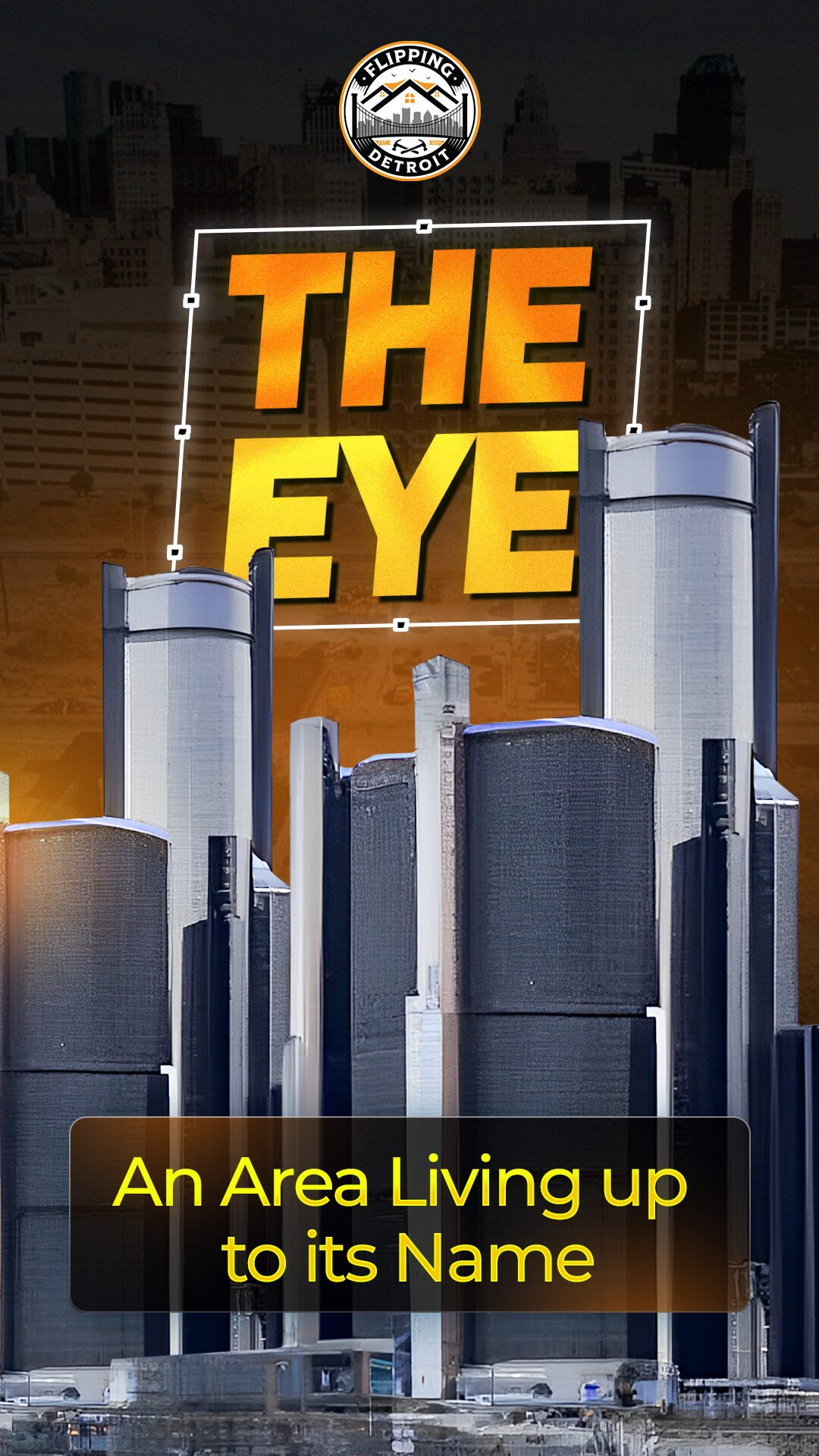
The Eye: Detroit’s Watchdog Neighborhood 

Detroit’s aptly named “The Eye” community has a very unique backstory.

A 48219 ZIP code neighborhood that found its footing during the city’s postwar westward expansion years between the 1940s and early 1960s, Wayne County’s The Eye is a small, tight-knit suburb that gets its name from the neighborhood watch program that was formed here in the early 1980s.

One of the programs first moves? 

Installing signs with huge, foreboding eyes all around the neighborhood with the intention of deterring crime – a symbol that seemed to foreshadow the area’s identity today: vigilant, family-focused, and deeply proud of its roots. 

A Neighborhood Defined by its Residents

The Eye is a relaxed community that consists of mostly sturdy brick ranches, Colonials, and Tudors on clean, shaded streets.

The lots here are modestly sized yet spacious enough for flowerbeds and backyard play equipment for children to run out their energy on.

It’s the kind of place where you’ll find long-term residents who take great pride in where they live, a reality that shows in their trimmed lawns, lush gardens, and active block clubs that often host events like clean-up days, block parties, and cookouts. 

On weekends, you’ll find residents conversing on front sidewalks, elders regaling youth on the good old days, and children riding bikes or filling driveways with colorful chalk drawings.

Not only that, but right in the center of the neighborhood is Edward G. Heckel Park, a green space with a recently renovated playground where friends and families gather for sports games, weekend picnics, and midday walks. 

A Foodies Dream

While The Eye is mostly residential, nearby Grand River Avenue and McNichols (Five Mile) offer residents plenty of great dining options right within reach.

Take Duffy’s Den, for example, a Detroit staple known for its mouthwatering burgers, or Sweet Potato Sensations, a locally owned bakery serving up warm pies, gooey cookies, and freshly churned ice cream.

More of a coffee fan?

Head on over to the Eye resident favorite, Motor City Java House, for a warm brew before heading over to nearby creative hub, Artist Village Detroit in Old Redford, to mingle with artists, up-and-coming musicians, and other Northwest District 1 natives.

All of the above small businesses form the cultural framework of The Eye, connecting residents with great food and entertainment right within reach. 

Safety First

The Eye isn’t just a name—it’s a promise to locals and newcomers alike that their peace of mind and overall safety will always come first.

Although the area has faced many of the same urban struggles plaguing so many other Detroit communities, its devoted residents stand as living proof of its quiet resilience. 

These are stand-up people who look out for one another, do whatever is necessary to maintain their homes, and take great pride in their little corner of the 313.

Final Word

Want to see for yourself what The Eye is all about?

Take a slow drive through the area’s winding streets around magic hour. 

If you get hungry, swing by Duffy’s Den for a burger, then head over to Heckel Park for a peaceful late-night stroll.

You’ll be sure to discover the same thing The Eye residents have known for decades: it may not be the flashiest community, yet its watchfulness, warmth, and will to endure put it in a league of its own.

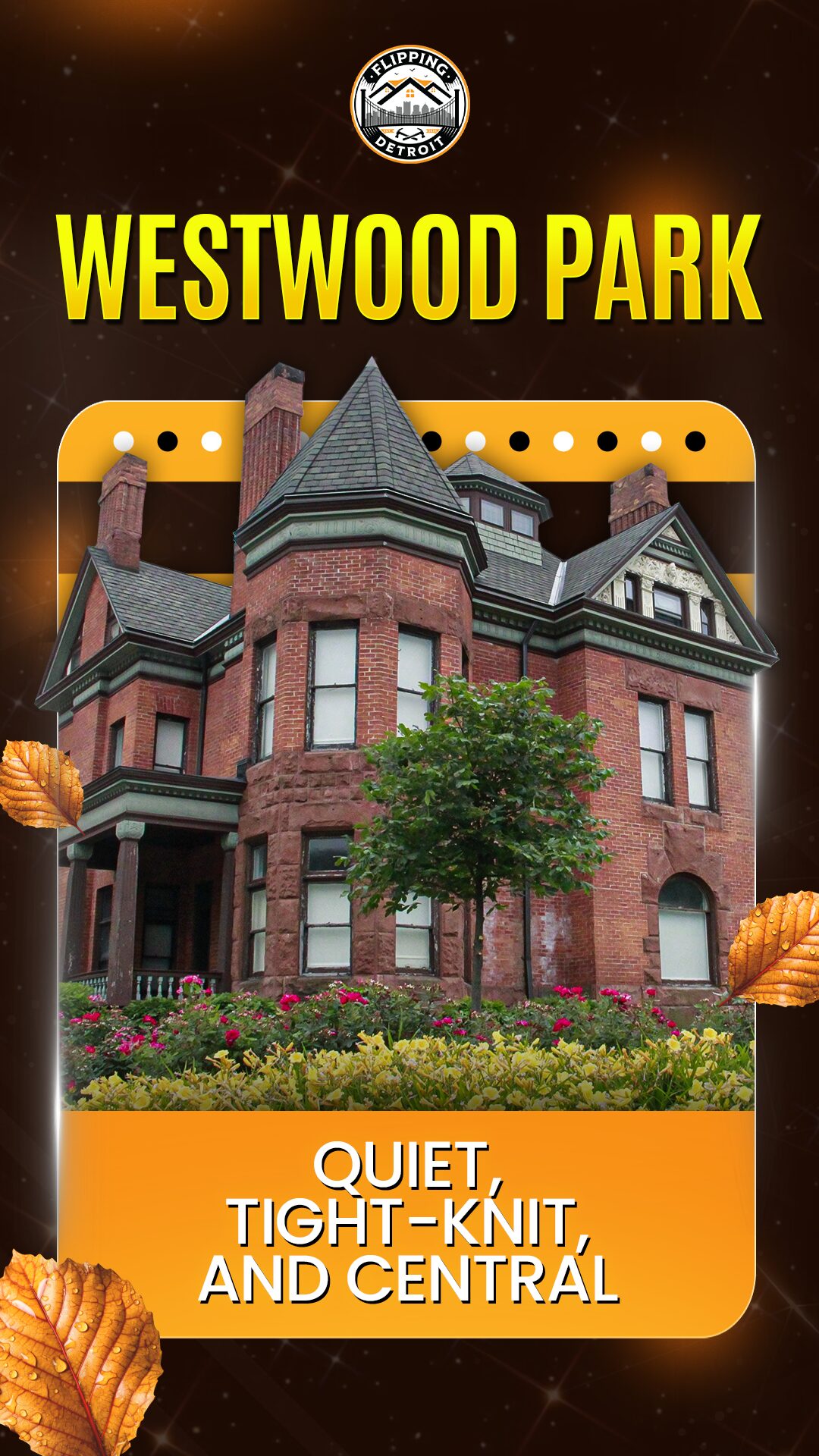
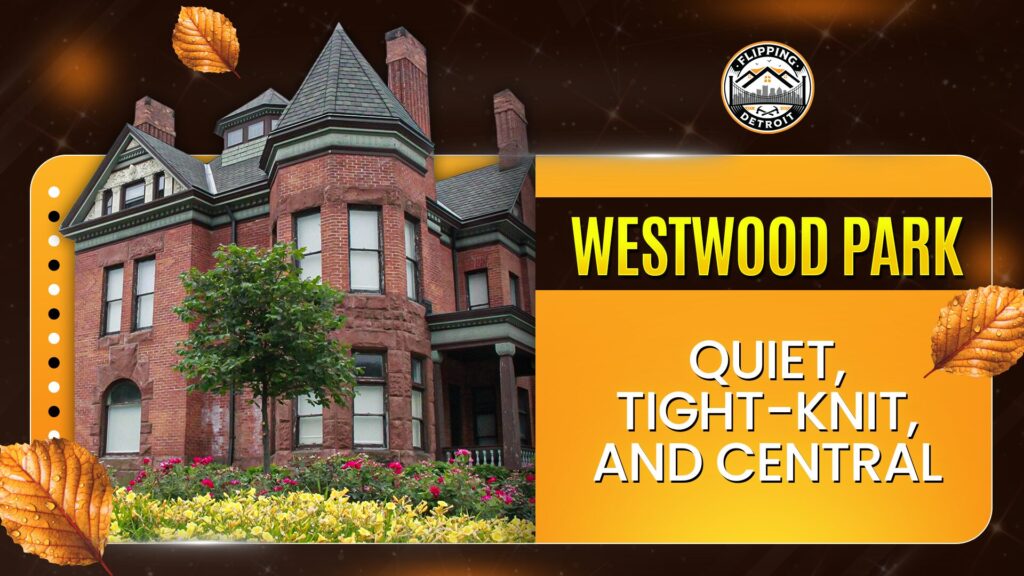
Westwood Park: Peace and Affordability on Detroit’s Northwest Side

Westwood Park is a Detroit District 1 suburb with deep roots that link it to the city’s post-war population and automotive boom period, which saw an increase in the need for affordable housing in the area.

Today, it stands as a model of Detroit’s resilient middle-class legacy and a reminder of a time that saw veterans returning home seeking stability and space close to the many factories that were popping up in the area at that time. 

With its reasonably priced homes, clean streets, and charming curb appeal, it’s easy to see why it looked like the American dream made manifest – a legacy that carries on to this day, with many of the homes in the area still belonging to the same families who initially moved into Westwood Park decades ago.

And while it may not have as many recreational options as other District 1 living communities, for what it lacks in fun, Westwood Park makes up for in active smaller community anchors like Evergreen Plaza, which has a barber shop, grocery store, and several family-owned and operated restaurants that are always bustling with energy.

As for outdoor recreation, look no further than nearby O’Hair Park, where it’s not uncommon to find families barbecuing in the summer, children running out their energy, and generations of residents gathering to enjoy the nice weather under mature trees.

Local Tip

Westwood Park’s charm lies in its authentic way of life.

It’s the kind of place where you’ll find neighbors clearing each other’s driveways in the winter after heavy storms, exchanging favors, or holding cookouts after Sunday service.

To get a better idea of the neighborhood’s understated beauty, simply take a slow afternoon drive around Evergreen and Acacia and take in the manicured lawns, gorgeous architecture, and active front-porch culture.

You’ll quickly see that it isn’t a place of spectacle; it’s a lively community with residents that look out for each other when the going gets tough. 

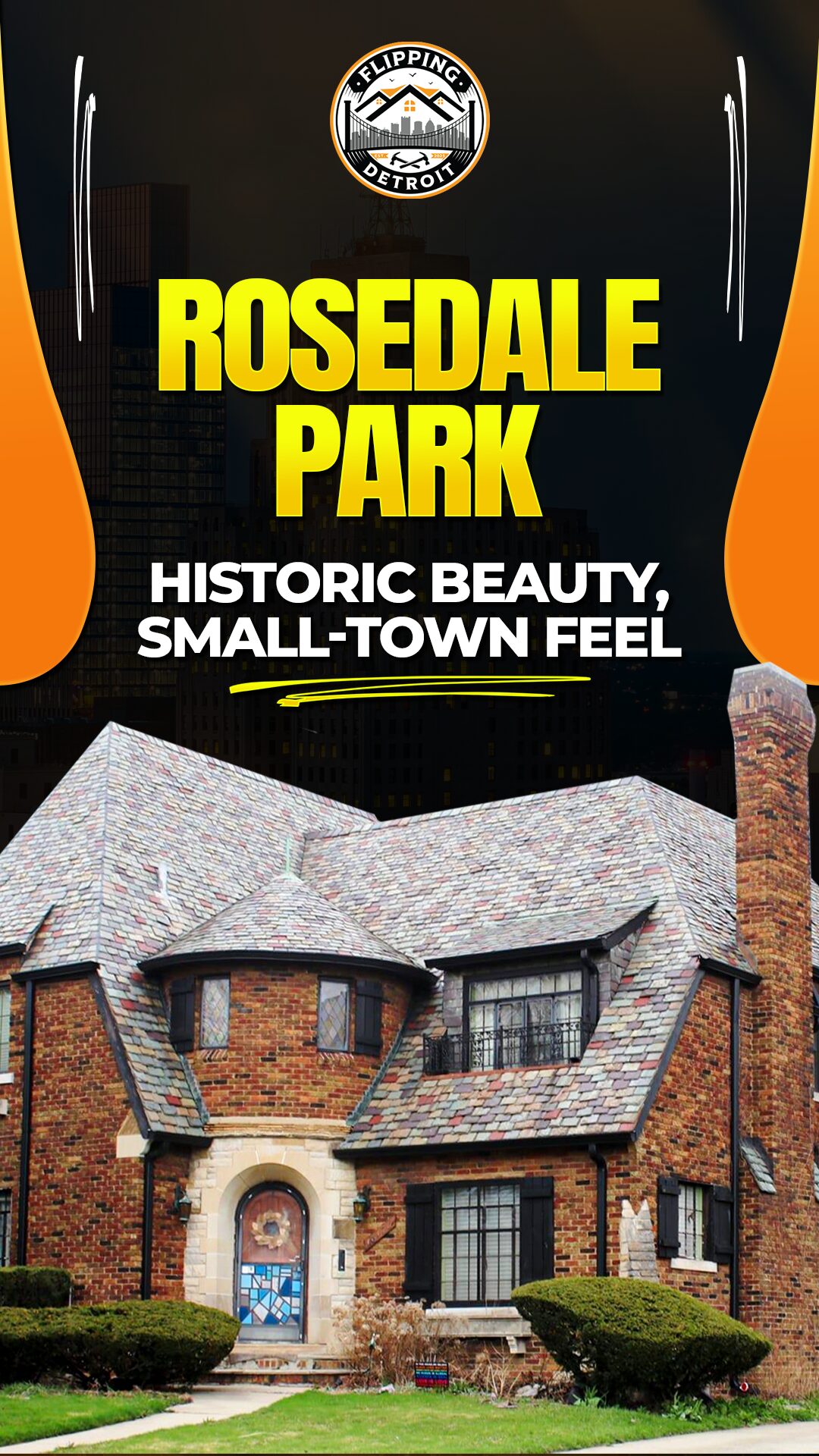
Rosedale Park: Northwest Detroit’s Suburban Crown Jewel

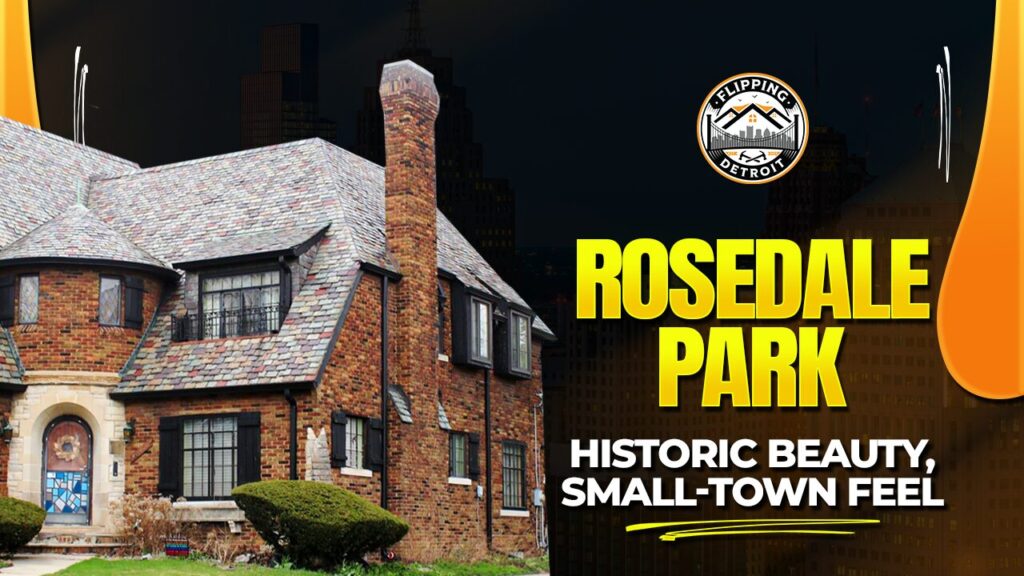
Rosedale Park was first developed between 1917 and the 1930s within Wayne County’s 48223 ZIP code. Considered one of the city’s most beautiful and well-maintained neighborhoods, thanks to its winding tree-lined streets, historic Tudor, Brick Colonial, and English cottage homes, and strong civic pride, Rosedale Park is both a sanctuary and a symbol of endurance through every high and low.

A neighborhood built as a residential enclave for city workers, Rosedale Park offers big city convenience with suburban charm, not to mention a level of craftsmanship that brings to mind the city’s golden age of industry. 

It is even listed on the National Register of Historic Places, since many of its original homes remain standing – a true testament to the area’s strong architectural legacy.

That said, what really makes Rosedale Park so special isn’t its historic buildings, it’s its residents and their reputation for unity and civic involvement.

Look no further than the Rosedale Park Improvement Association (RPIA), one of Detroit’s most active (not to mention oldest) neighborhood organizations. 

The association was first established in 1924 and is involved in everything from neighborhood beautification projects to hosting block club meetings and events like Detroit’s iconic Rosedale Park Juneteenth and Neighborhood Day Parade, a celebration of history, culture, and pride.

It’s a very active community where it’s not uncommon to see outdoor concerts going on, neighbors running garage sales, and lively porch parties that feel straight out of the 1950s.

New to the area?

Expect to be greeted with a welcome basket and a warm smile.

Recreation Near Grand River Avenue

If you’re looking to be entertained, you’re in luck.

Just beyond Rosedale Park’s is Grand River Avenue, Detroit’s historic commercial district connecting the neighborhood to the rest of the Northwest side. 

There are also plenty of beloved local landmarks close by, with Motor City Java, the Redford Theater, and family-owned bakery, Sweet Potato Sensations, three of the topmost frequented locations by Rosedale Park, North Rosedale, and Grandmont residents. 

These businesses stand as a perfect example of the warm, fuzzy feeling that defines the neighborhood as a whole: creative, homegrown, and firmly rooted in Detroit pride. 

Rosedale Park: History, Soul, Beauty, and Endurance

In short: Rosedale Park is one of many success stories defining Detroit’s ongoing transformation. 

While other neighborhoods suffered due to the recession, factory closures, and lack of resources, Rosedale’s residents doubled down and put down deeper roots, forming block clubs, organizing neighborhood watches, and doing whatever was necessary to preserve the area’s historic homes and curbside appeal.

It’s a place of tradition and progress, where older people sit on the front porch swapping stories as young families move in ready to plant deep roots.

Local Tip

If you ever find yourself in northwest Detroit, Rosedale Park is a must-see for anyone who wants to feel the city’s lasting spirit.

Grab a warm drink from Motor City Java and drive down Rosemont, Ardmore, or Glastonbury at dusk and bask in the golden light shining on sturdy brick façades, the sound of children playing, and the scent of lush flowerbeds. You’ll see for yourself: Rosedale Park is more than a neighborhood – it’s living proof that Detroit’s people are its most enduring asset. 

Schoolcraft–Southfield: A Perfect Model of Detroit’s Working-Class Resilience

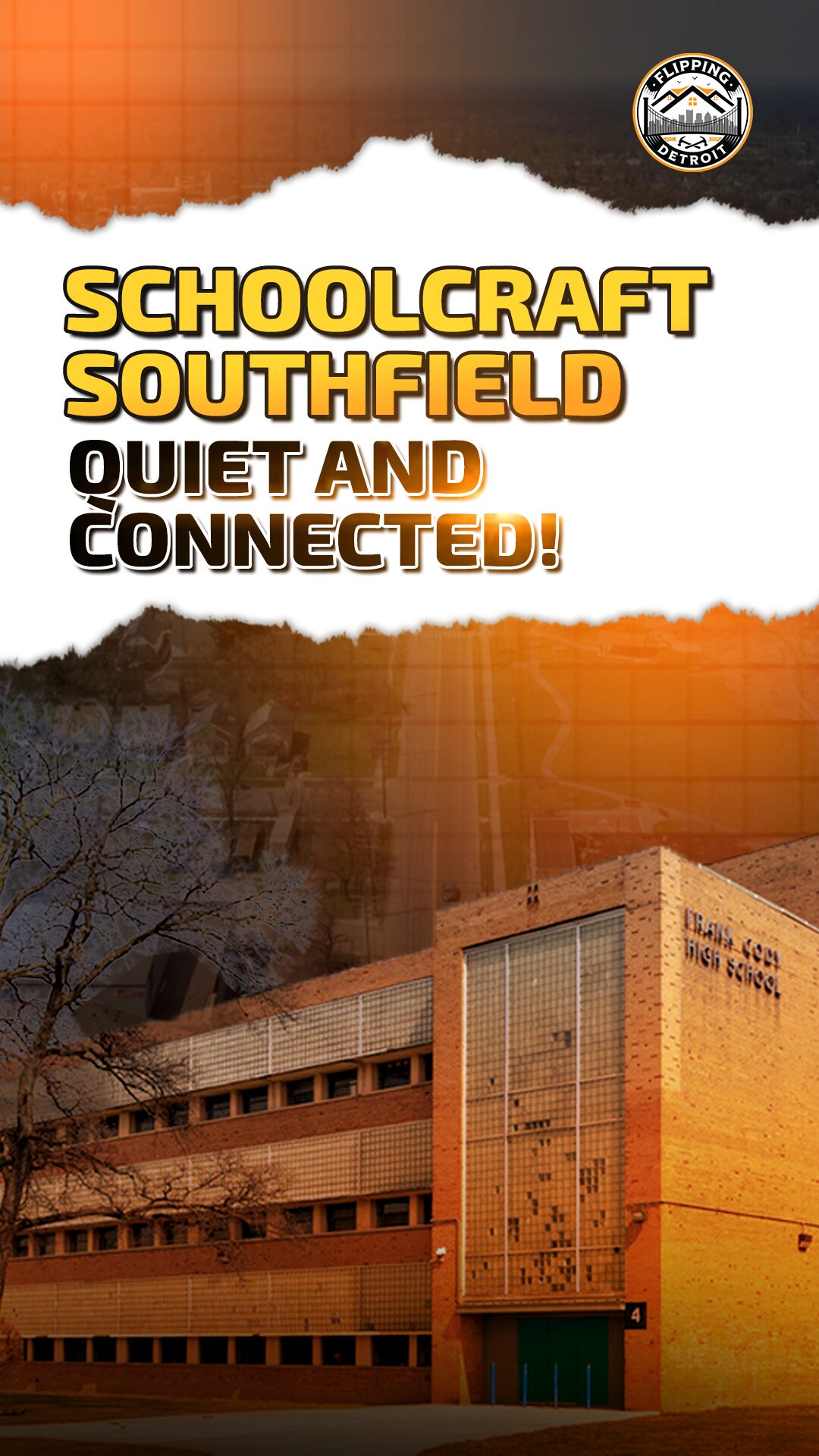
Schoolcraft-Southfield is a perfect example of Detroit’s blue-collar roots: a working-class neighborhood that was born during Detroit’s mid-century boom, when men and women went to work at Ford’s Rouge Plant and the nearby GM facilities.

Laid-back yet fiercely grounded, it’s the kind of neighborhood where streets tell stories—of economic highs and lows, old-school backyard barbecues, and neighbors who have been supporting each other for generations.

Located in northwest Detroit’s 48227 ZIP code, Schoolcraft–Southfield sits in the midst of block clubs, corner stores, and a lively front porch culture that goes a long way in keeping the neighborhood authentic and steady.

Schoolcraft–Southfield: A Northwest Detroit Neighborhood That Centers Tradition

Drive through Schoolcraft–Southfield and you’ll see houses that look straight out of the 1930s-1950s: colonials, Cape Cods, and sturdy bungalows with stunning details like arched doorways, huge front bay windows, and spacious porches.

You can also expect to find families who have lived in the area for decades showing their care and devotion to the neighborhood in the form of active block clubs, neighborhood watch patrols, and well-maintained lawns that do a lot for the area’s curb appeal.

It’s a classic Americana kind of neighborhood: quiet, legacy-centered, and deeply human.

Culture and Community Along Schoolcraft and Tireman

Although Schoolcraft–Southfield is close to the freeway, the bulk of its community life unfolds along smaller side streets like Sawyer, Stahelin, and Memorial, where you’ll find once-abandoned lots that have since been restored into lush community gardens and even event spaces. 

One such event that always attracts the attention of locals is  â€śJazz in the Yard,” an evening event where jazz lovers can come and enjoy food trucks and the gorgeous view of the gardens’s blooming flower beds.

The area is also well-served by smaller parks like Sawyer Park, a summer favorite for family picnics and basketball pickup games.

That said, what’s most charming about Schoolcraft–Southfield isn’t its recreation options—it’s what endures here.

It’s the kind of place where residents still shovel each other’s driveways, children are still seen riding bikes down the street, and block clubs hold safety meetings and change streetlights faster than the city would. 

Yes, the neighborhood has its challenges (i.e., blight, vacancy, and uneven city attention), but its greatest strength lies in its self-determination and endurance.

In short: This is Detroit as it really is—resilient, tender, and proud of its deep roots.

Old Redford: Culture Meets Community in Northwest Detroit

Northwest Detroit’s Old Redford community is the kind of place where the city’s past feels just as alive as its rapidly unfolding future.

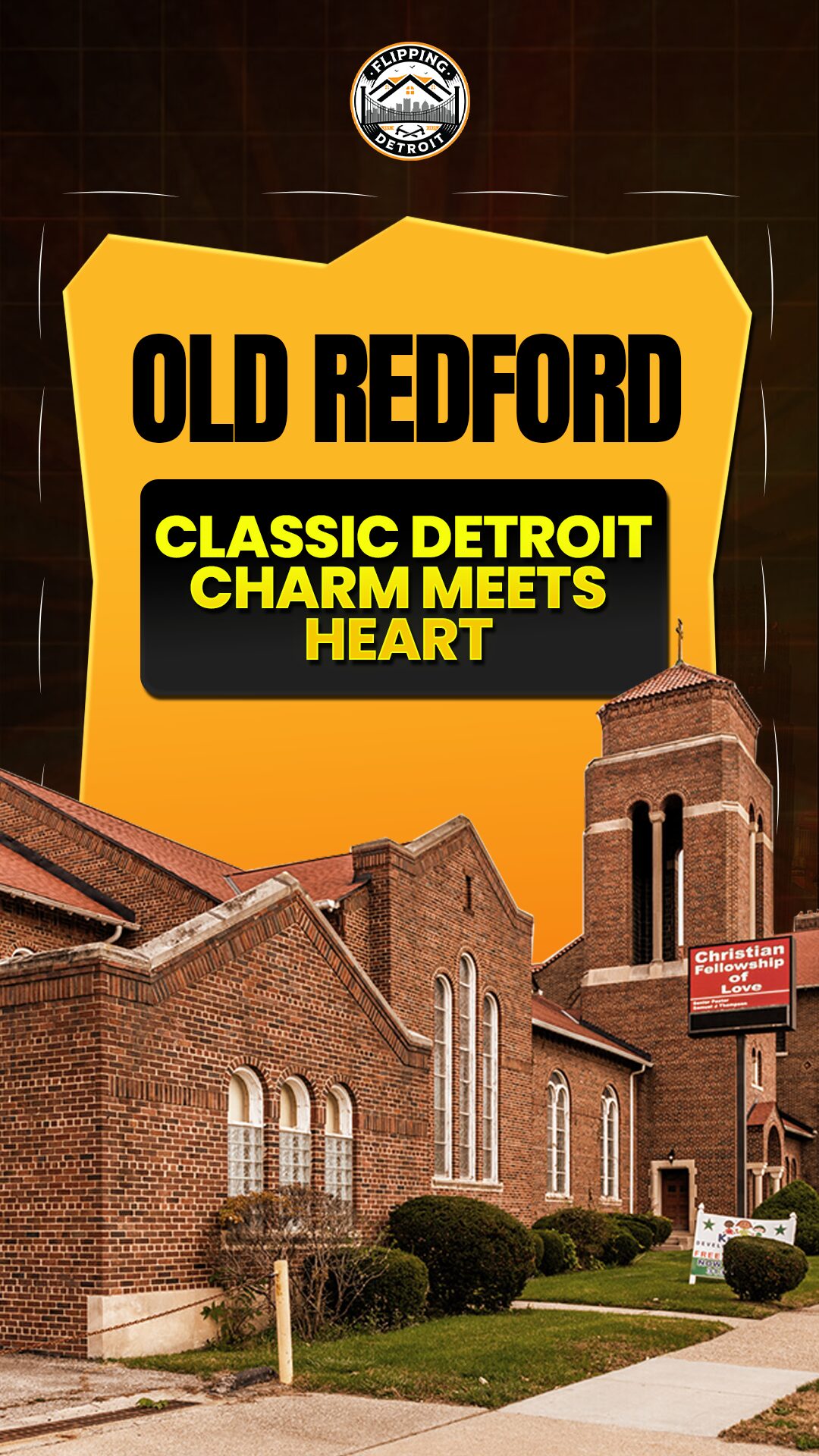
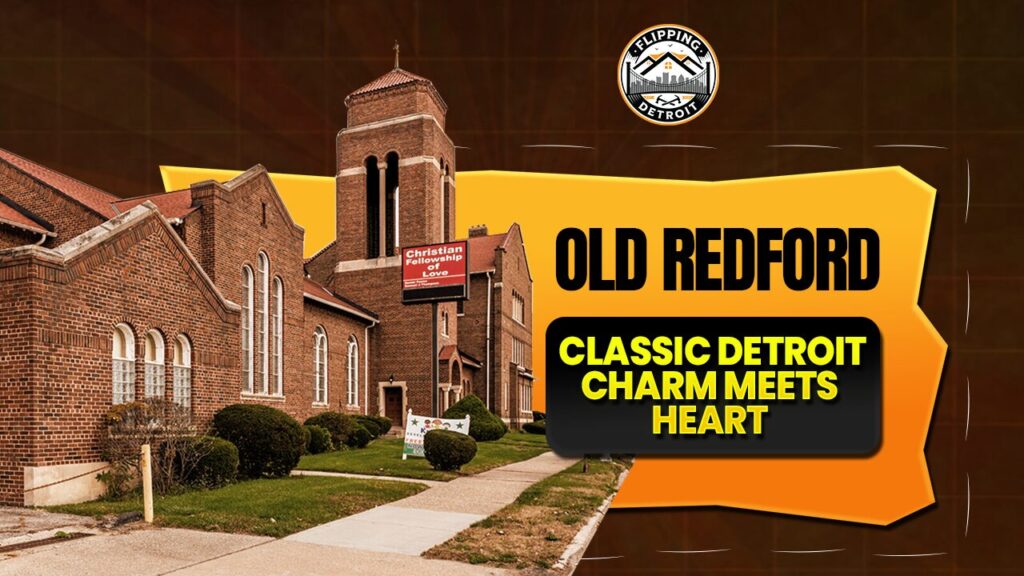
Located in Wayne County’s 48219 ZIP code, Old Redford is situated at the intersection of Grand River Avenue and Lahser Road, a lively, creative, historic area defined by memories of its old movie organ and vibrant art murals.

As far as its history, Old Redford began as a rural village in the 1800s and was named after the “red ford” crossing located on the neighborhood’s River Rouge. 

In fact, the red-brick buildings you’ll find dotting Grand River still date back to those early years, giving the district a distinct character you won’t find in most modern cities.

In the years that followed its initial development, Old Redford became a busy hub complete with its very own Main Street and a streetcar line linking residents to downtown. 

However, Old Redford’s core defining feature is by far its historic Redford Theatre, a 1928 Japanese-themed movie palace with its original Barton pipe organ still on site. 

The theater is a bustling weekend entertainment spot where residents flock to enjoy classic films, live organ music, and even the occasional local film festival.

It’s truly a throwback to both the golden age of cinema and Old Redford’s glory days. 

Hot Brews, Great Art, and Delicious Sweet Potato Pie

As previously mentioned, Old Redford is one of Detroit’s most creative pockets. 

Expect to find huge murals splashed with color strewn out across formerly-vacant buildings – most of which are courtesy of the art and revitalization project, Artist Village Detroit, led by local visionary Rev. James Willingham – as well as creative studios, lush urban gardens, and even the occasional pop-up gallery.

For coffee lovers, look no further than the neighborhood’s beloved Motor City Java House, where you’ll find regulars chatting and block club members informally linking up to plan out the next neighborhood beautification project. 

Got a sweet tooth?

Head just across the street to area favorite Sweet Potato Sensations for a slice of pie, a freshly baked cookie, and ice cream that has earned national praise.

There really is something for everyone here.

Local Tip

Old Redford is one Detroit neighborhood that is best explored on foot. Make a day out of it. Park near Grand River and Lahser, grab a warm brew from Motor City Java, and wander through the Artist Village with a friend to soak in some murals before catching a film at the Redford Theatre. 

Just remember: What defines Old Redford above all else isn’t its history, recreation, or beautiful architecture…it’s its loyal residents who have fought to preserve the neighborhood through decades of highs and lows.

For that reason alone, it’s definitely worth a visit. 

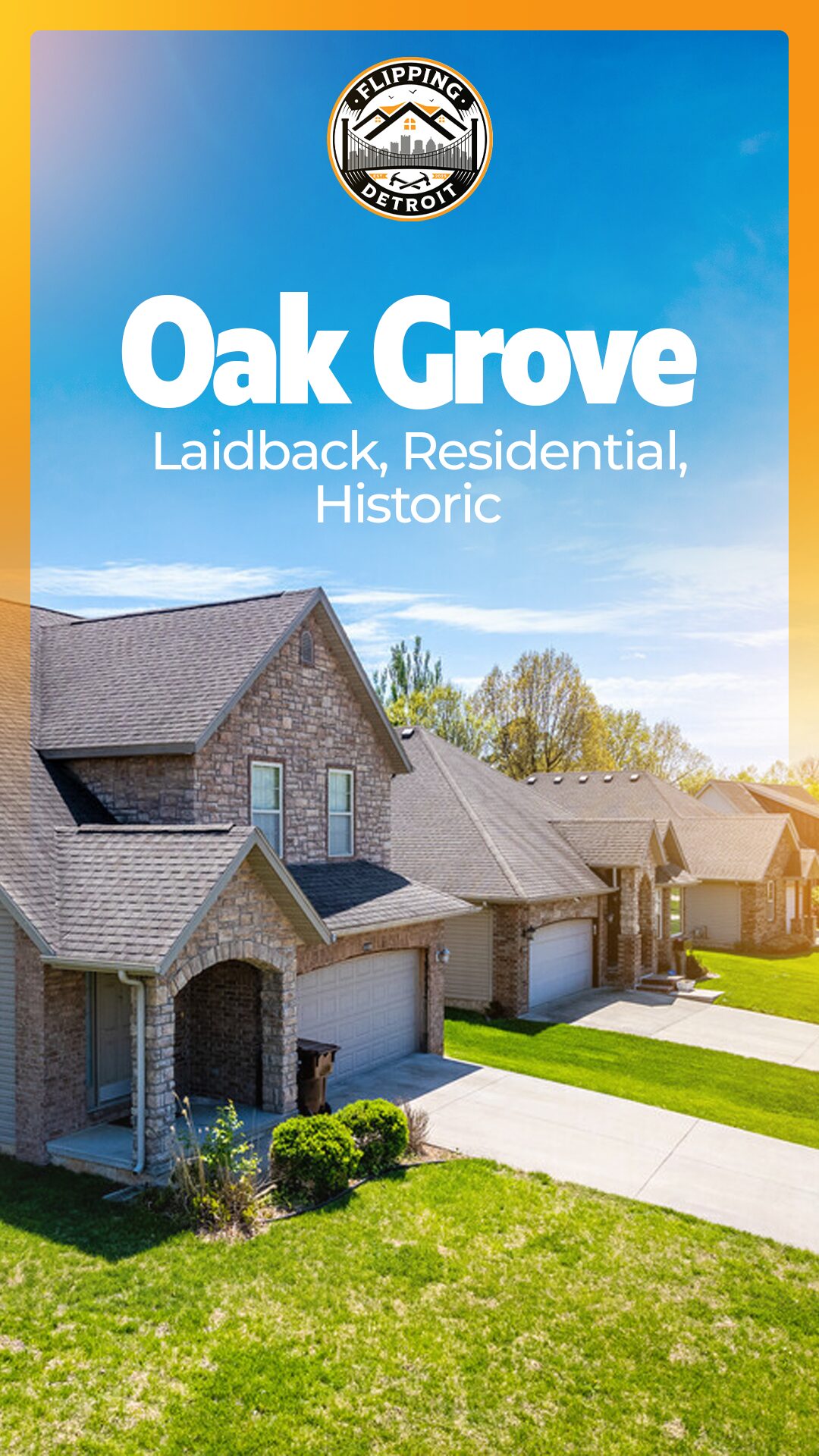
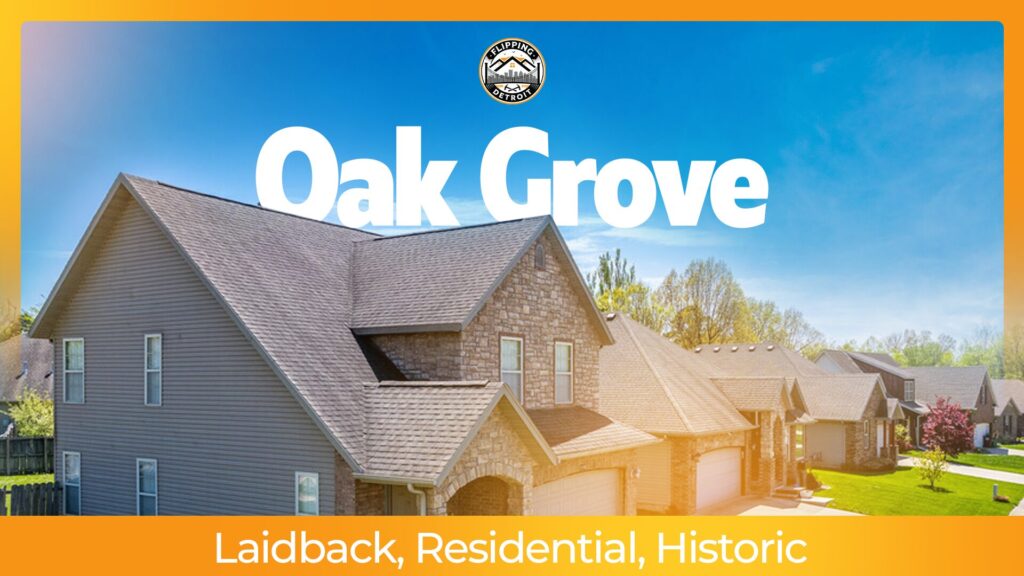
Oak Grove: Detroit’s Leafy Sanctuary in the Northwest Side

Oak Grove is a quiet neighborhood that emerged alongside Detroit’s mid-century population boom.

Located near main roads Livernois and Seven Mile within Wayne County’s 48221 ZIP code, it’s a laid-back northwest Detroit neighborhood known for its old-world architecture, tall mature oaks, and stately brick homes.

Anchored by the lively creative pulse of the nearby University District and Detroit’s beloved Bagley community, Oak Grove stands as a living link between Detroit’s historic past and its exciting future.

Oak Grove: A Detroit Community with Golden Age Roots

Oak Grove’s neighborhood DNA is a throwback to mid-century Detroit, a time when tradesmen and professionals were looking for an elegant community to settle down in with their families without having to sacrifice the many conveniences that come with city living.

With its curved streets, affordable entry costs, and solid brick colonials, Oak Grove offered exactly that. 

In fact, many of the homes here still showcase their original detailing, with intricate stonework, huge front porches, leaded-glass windows, and arched doorways that are remnants of a time when craftsmanship was both an art form and a source of identity. 

It’s a legacy neighborhood, one bolstered by longtime residents who still remember a time when Livernois had streetcars connecting the area to factories, downtown shopping at Detroit’s beloved Hudson’s department store, and extravagant weekend get-togethers at the Arcadia Ballroom.

Recreation on Livernois and Seven Mile

One major benefit of Oak Grove is the fact that it’s just a short drive from Detroit’s iconic “Avenue of Fashion,” the revitalized Livernois corridor known for its Black-owned establishments, vibrant art galleries, and delicious local restaurants. 

Take an afternoon stroll through the district and you’re bound to see people pouring out of Baker’s Keyboard Lounge (the world’s oldest operating jazz club), grabbing a snack at Good Cakes and Bakes, or engaging in retail therapy. 

For those who prefer outdoor fun, nearby Palmer Park is a historic Detroit green space that’s one-part forest, one-part lush urban oasis, the kind of place where you’ll always find people relaxing under canopy trees, riding bikes, or exploring the Tudor-style Palmer Log Cabin dating back to Detroit’s early years.

Oak Grove is especially beautiful in autumn, when the streets come alive in shades of red and gold in a way that’s like something straight out of a movie.

Final Word: Oak Grove, a Community of Culture, Stability, and Heart

Above all else, Oak Grove’s energy is what sets it apart from so many other District 1 neighborhoods.

Here you’ll find neighbors who still look out for each other, Motown softly drifting out of open windows, active block clubs, tidy lawns, and a sense of belonging and authenticity.

Not from the area?

Start your day on Livernois with a warm brew, take a slow drive down Oak Drive to take in the views on a gorgeous fall day, and end your exploration at Palmer Park for a sunset picnic.

 You’ll quickly see why Oak Grove is considered one of Detroit’s best communities – a place where history lives not just in stunning brickwork, but in people.

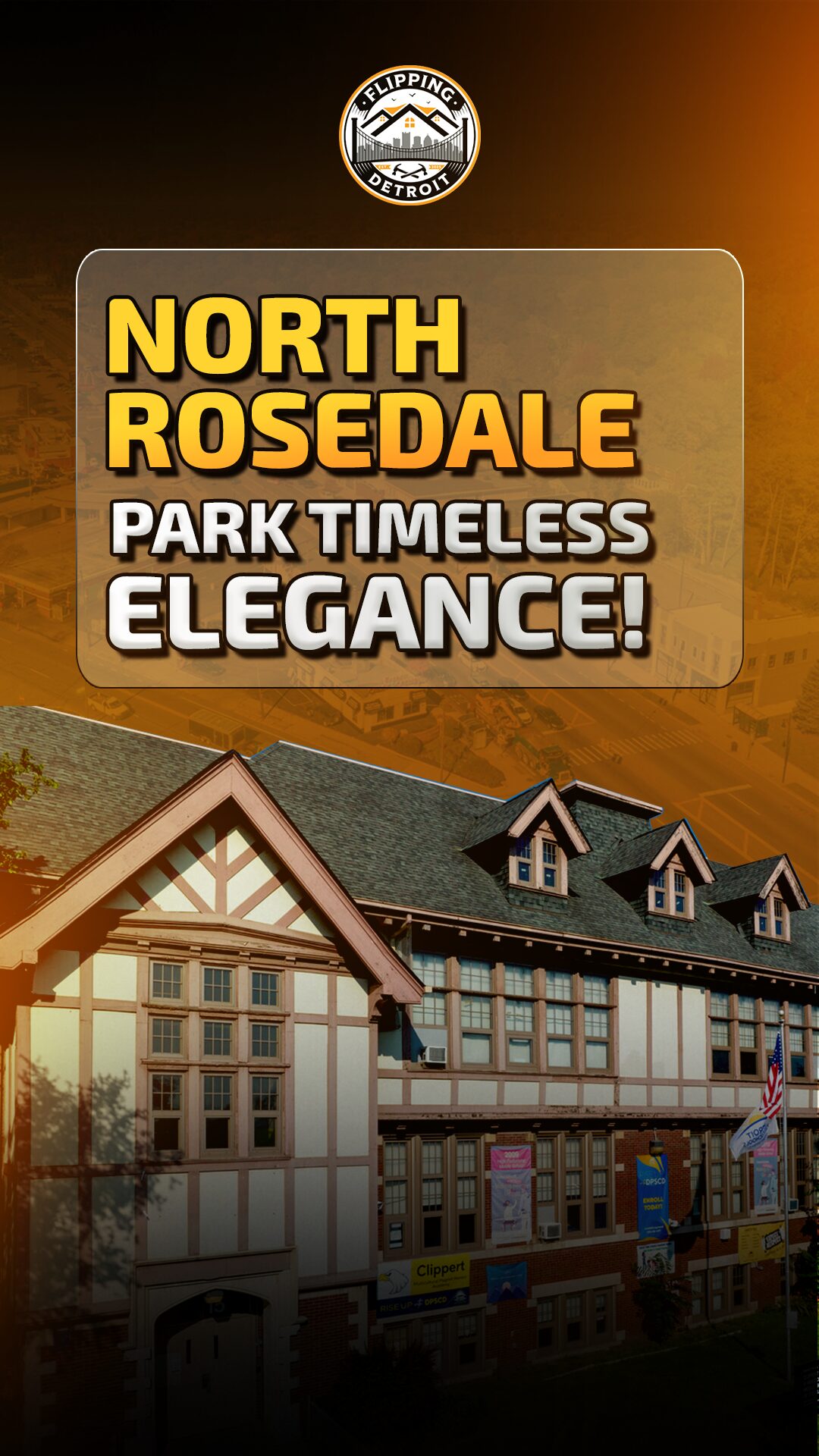
North Rosedale Park: One of Detroit’s Most Beautifully Preserved Neighborhoods

First developed in the 1920s as part of the first Rosedale subdivision project, North Rosedale Park is a much-loved, well-preserved neighborhood spanning Northwest side zip codes 48219 and 48223.

Anchored by its busy community park, mature tree-lined streets, active civic association, and stately mid-century homes, it’s the kind of place that looks straight out of a storybook or catalog of Detroit’s golden era.

North Rosedale Park: A Vision Made Manifest

North Rosedale Park was first designed to be a shining model of everything a suburban neighborhood should be, a gorgeous residential enclave with winding roads, well-crafted homes on spacious lots, and a lush park right at its center.

First constructed in 1939, developers envisioned it as a “garden suburb” right within city limits, a branding that remains intact nearly a century later.

The community’s gorgeous stone colonials and brick Tudors are a perfect reflection of the craftsmanship of Detroit’s architectural glory days, and residents’ deep pride in where they live shows in the meticulous upkeep of their properties. 

Life in the Park

North Rosedale Park Community House, a neighborhood-owned park and clubhouse in Rosemont–Acacia Park, is a community centerpiece that provides everything from summer camps and book clubs to civic meetings. It’s also a much-used wedding location and the place where generations of residents have gathered to celebrate milestones, debate city issues, and organize block parties.

Take an afternoon stroll down Glastonbury, Piedmont Streets, or Warwick and you’ll get an up-close and personal look at exactly what makes the North Rosedale Park community so special. 

It’s the kind of place where the chirp of birds is always heard, porch lights stay on, and the sidewalks are always busy with dog-walkers, joggers, children riding bikes, and neighbors conversing. 

As for the warm summer months, that’s when the park really comes alive with picnics, family reunions, open-air concerts, and games hosted by youth sports leagues like Rosedale Grandmont Little League, one of the city’s oldest youth leagues in Detroit.

In short, it really is classic Americana living at its finest.

Local Favorites

For even more recreation and dining options, Sweet Potato Sensations, Motor City Java House, and the Historic Redford Theater are three area favorites.

North Rosedale Park is also connected to busy neighboring communities like Grandmont and Rosedale Park through Grand River Avenue, creating a network of civic engagement that forms the Grandmont–Rosedale Collective, one of the city of Detroit’s most active grassroots revitalization efforts.

Local Tip

To fully grasp the magic of North Rosedale Park, you have to see it yourself.

Spend a Saturday or Sunday morning walking through its park with a warm cup of coffee, swing by the Community House if an event is going on or catch a classic film at the Redford Theater.

You’ll be welcomed with open arms and will quickly realize that North Rosedale Park isn’t just a neighborhood…it’s a reminder that Detroit’s greatest gift has always been its people. 

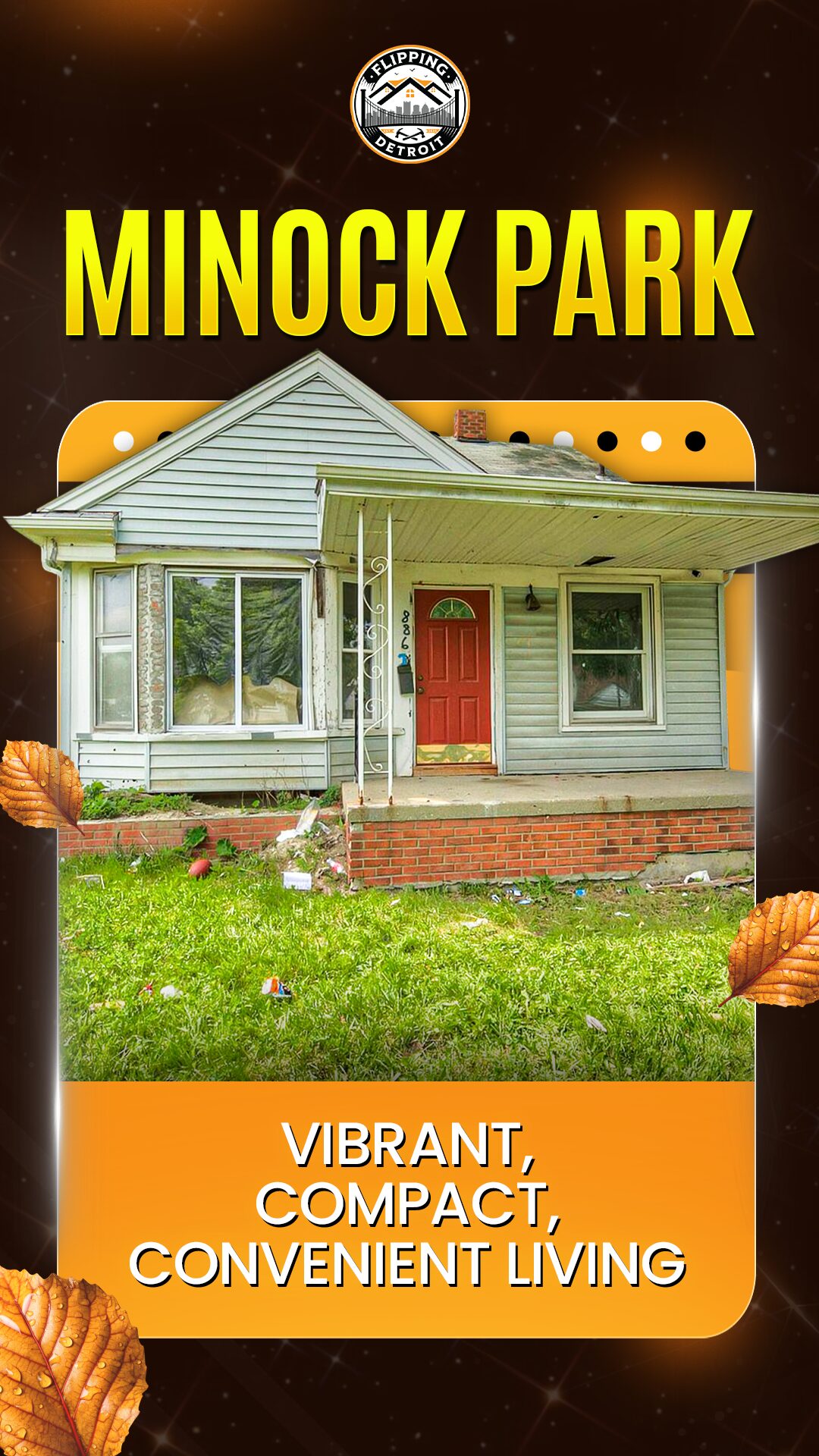
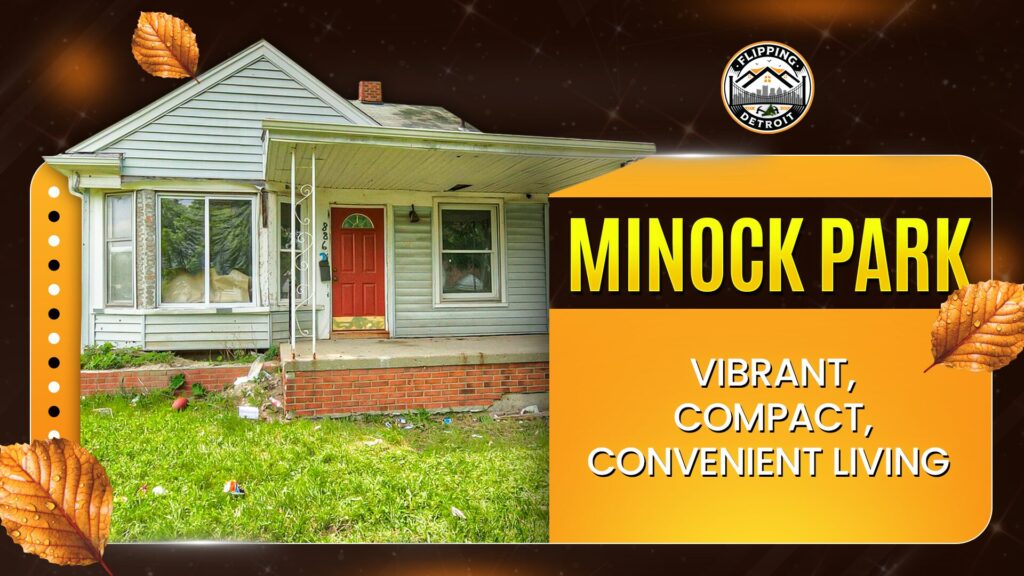
Minock Park: Detroit’s Northwest Side Green Sanctuary

Minock Park is a lovely little Northwest Detroit suburb developed in the 1920s and 1930s during the rise of the city of Detroit’s auto industry that gets its name from its park, which serves as a main community anchor where locals are often seen going on morning jogs, walking dogs, hosting summer picnics, and organizing cleanups.

Originally intended for the employees of Ford, Chrysler, and General Motors and their families, Minock Park is the kind of neighborhood that isn’t flashy but instead makes a quieter yet just as lasting impression. 

Located near Grand River and Outer Drive, Minock Park brings a small-town feel right within city limits, with its curved streets, mature trees, eye-catching colonials and Tudors, and overall vintage feel.

A well-preserved community, it’s the kind of place where the neighborhood’s older residents still fondly reminisce over things from the old days, like the early homeowners’ association, which started in local living rooms and church basements in the 1940s.

This tradition continues to this day, bringing together generations of residents through lively community events and local restoration efforts.

Recreation, Dining, and Fun Around Grand River and Outer Drive

Minock Park’s residential calm isn’t its only strong point.

The area is also well-anchored by the hustle and bustle of nearby Grand River Avenue, a historic corridor that has been a main artery of the neighborhood for nearly a century, easily connecting Minock Park residents to the rest of northwest Detroit and beyond. 

As for area favorites, Motor City Java House is a go-to for a warm brew and networking, the historic Redford Theatre is great for catching a classic film on the weekends, and Sweet Potato Sensations, a family-owned sweet potato-centered bakery, is a staple for residents with a sweet tooth.

For even more recreation and entertainment, the nearby Rosedale Park and North Rosedale districts are both known for their wide array of community events (farmers markets, block parties, etc.) and Minock Park neighbors often volunteer with local youth programs and park cleanups, keeping the area beautiful and welcoming year-round.

It’s the kind of place where the lawns are always well-manicured, the porch lights stay on, block clubs still have monthly newsletters informing residents of upcoming events and updates, and long-time residents are seen planting flower beds beside new families planting roots.

Final Word

In summary, Northwest Detroit’s Minock Park offers a rare glimpse of the city’s laid-back side. It’s the kind of place where the beauty is in the details, and pride is seen on every block.

Take a slow drive down Minock, Warwick, or Dolphin Street, and you’ll see it yourself. 

Just be sure to wave to the locals—they’re very friendly, and you’ll likely get a wave back. 

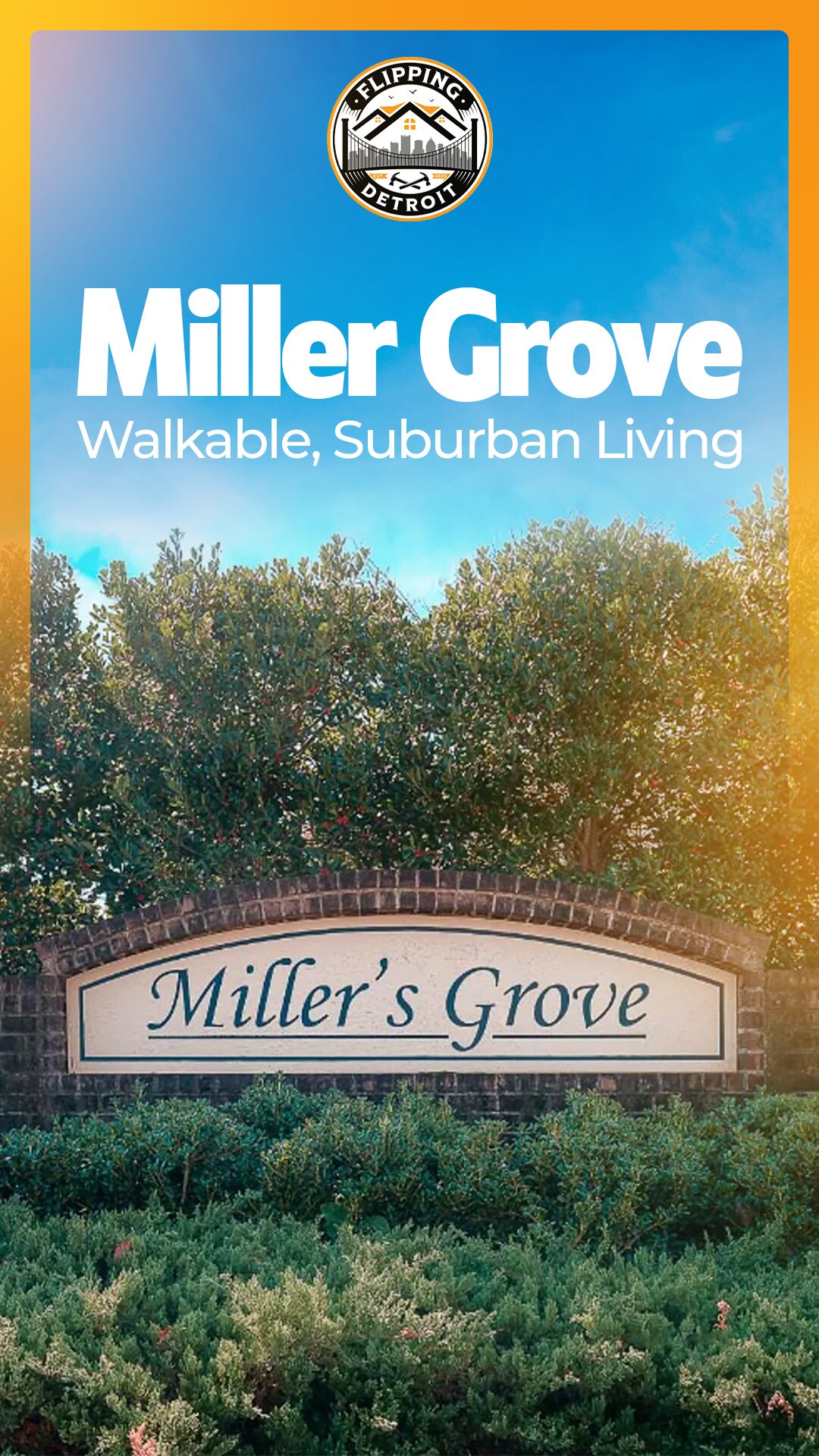
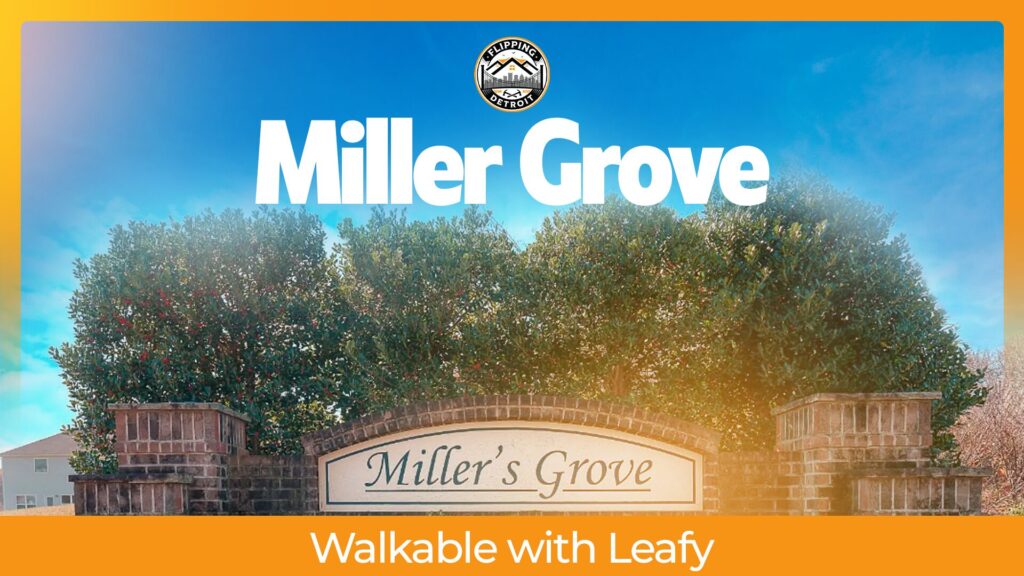
Miller Grove: History and Soul in Northwest Detroit

Miller Grove is a northwest side Detroit suburb located just south of Seven Mile and close to Evergreen and Lahser, defined by its beautiful brick colonials, mid-century ranches, clean curbside appeal, and mature tree-lined streets.

Born during Detroit’s postwar boom, when veterans went to work at Ford and GM and settled down in the area, this charming pocket of Wayne County carries the energetic signature of the many generations who helped build the city’s middle class from the ground up.

A neighborhood deeply focused on its labor-centered legacy, the name “Miller Grove” stands as a tribute to those early settlers.

It’s the kind of place where you’ll find the elderly educating the younger generation on how things used to be, neighbors engaging in block clubs and competing in “best yard” competitions, lively summer block parties, garage sales, and the like.

Neighborhood Life: Parks, Churches, Local Hangouts

Places of worship are a major part of the neighborhood signature in Miller Grove. The area is home to a number of small churches that offer community resources such as youth mentorship, food pantries, and even community gardens.

Expect to see busy streets full of well-dressed people during Sunday Service, which is usually followed up by bustling neighborhood barbecues at O’Hair Park, an area anchor for morning jogs, picnics, youth sports games, and weekend get-togethers. 

As for shopping and dining, locals are well served by Evergreen Plaza, a modest strip mall with everything from a beauty supply store and barber shop to carryout spots serving up mouthwatering Detroit favorites like wings and soul food.

Swing by any of the above locations on a busy Saturday, and you’ll be sure to overhear discussions about city politics, last night’s Lions game, or which local restaurants are serving the best food.

Miller Grove’s Authentic Community Spirit

What sets Miller Grove apart from so many other Detroit living communities is its sense of balance.

It’s peaceful without being uptight, proud without being pretentious – a warm pocket of the city where you’ll still find neighbors watching after one another. 

Make no mistake, though: like most of Detroit, the Miller Grove neighborhood has weathered its fair share of ups and downs. What makes it different from the rest is its quiet endurance and loyal, devoted residents who reclaim abandoned homes and lots and hunker down instead of fleeing when the going gets tough. 

It’s not a place defined by nightlife or flash, but that doesn’t make it any less valuable. 

Take a slow drive through at sunset, and you’ll be able to see it for yourself: the everyday beauty of neighbors interacting, children playing in the streets, and above all else… Detroit’s historic roots continuing to prosper.