
or

By signing in, I accept the Rebuildetroit.com Terms of Use.

Agent Registration

Find Your Agent Profile

Agent Registration

University District: Detroit’s Intersection of Culture and Education

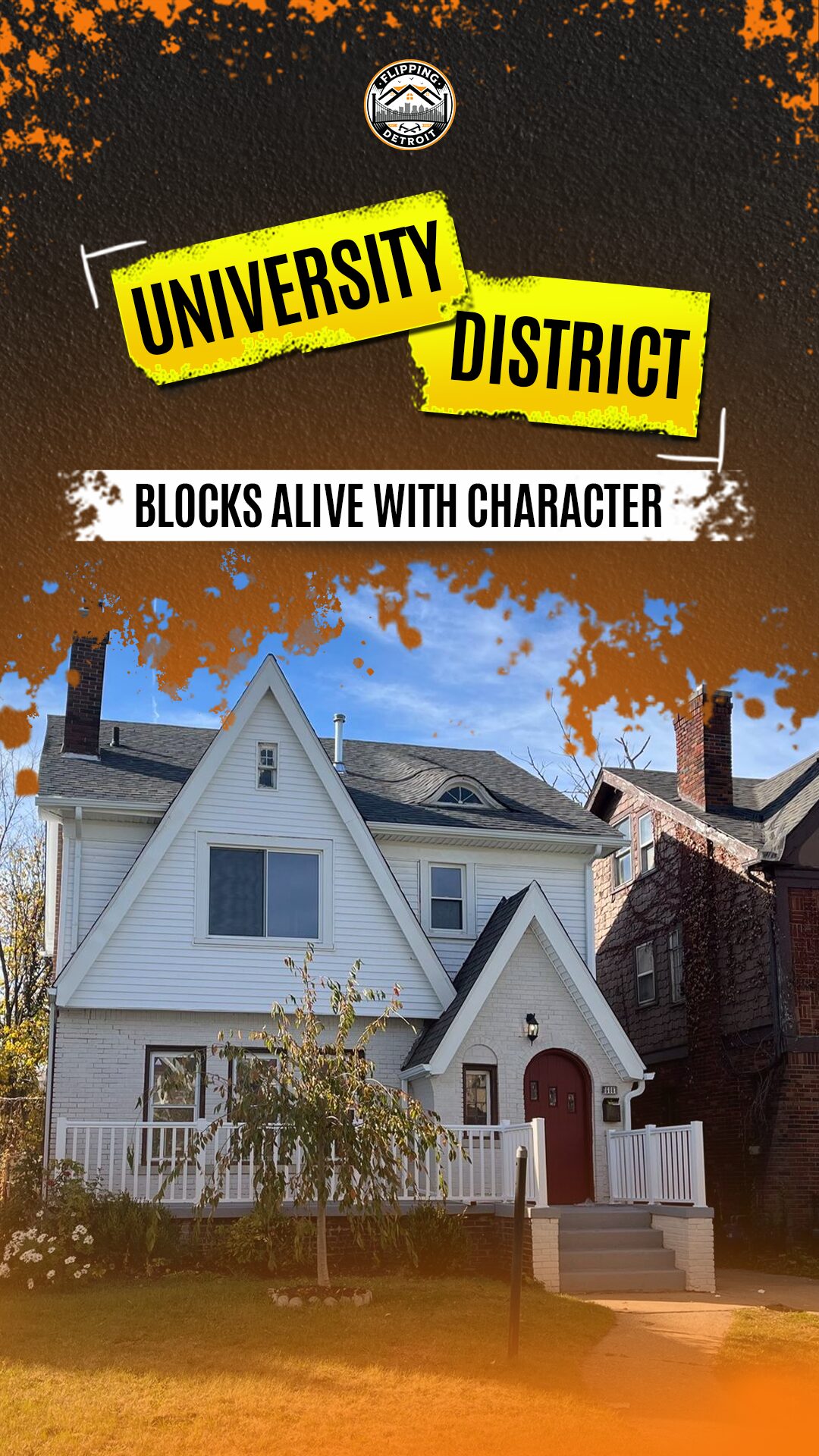
University District is a 48221 ZIP code Detroit neighborhood that gets its name from the nearby University of Detroit Mercy and is one of the city’s most architecturally rich communities – a place where elegance, artistry, and academic excellence seamlessly intersect.

First developed between the 1920s and 1940s, University District is best known for its distinctive character, with gorgeous brick colonials, Mediterranean villas, English Tudors, and art deco-inspired residences some of the most commonly seen.

The higher level of craftsmanship seen here brings to mind Detroit’s prewar period – also known as the golden age of expansion – a time when the area attracted professionals like doctors, entrepreneurs, and professors seeking a suburban escape without having to leave city limits.

Look no further than streets like Santa Clara, Fairway, and Quincy, where you’ll find Detroit’s old-school charm alive and well in every well-maintained boulevard, landscaped median, and carefully carved stone detail.

If that’s not enough of a draw, the University District’s youthful aesthetic gives it added character, with the nearby university’s presence filling the area with students, professors, and professionals that further its reputation as a place of intellect and cultural pride. 

University District is also central to the Marygrove Conservancy, the home to Marygrove College and a hub for community engagement thanks to its lively arts scene, event calendar, mentorship programs, and concerts.

This close connection to higher learning has helped bolster the University District’s identity as a place of intellectual, creative, and neighborly energy, making it one of Detroit’s most civically engaged communities.

Architecture: What to Expect

If you ever find yourself in the University District area and want to get an idea of its architectural footprint, simply drive down Warrington and take in the ivy-covered colonials or Wildemere to get an up-close view of stately Tudors with ornate features like stained glass windows and hand-carved woodwork.

The area exudes history, with its natural canopy of mature trees giving the area a distinct yet cinematic feel that is both magnificent yet approachable.

The result?

A living community that feels both timeless and future-forward – respecting the past while investing in its promising future.

With this in mind, the University District has attracted many new homeowners, many of them young working professionals and artists looking for an eclectic place to call home.

For proof of the high priority the area places on community and civic engagement, look no further than the University District Community Association (UDCA), one of Detroit’s most active neighborhood organizations.

The UDCA hosts neighborhood cleanups, beautification projects, safety patrols, and even the city’s beloved Home & Garden Tour and annual events like the Detroit Sip & Stroll and Jazz on the Ave.

For shopping and dining, its close proximity to Detroit’s nearby Avenue of Fashion and its many black-owned boutiques, cafés, and restaurants puts University District residents right in the midst of some of the city’s best local spots, like Table No. 2 for fine dining, Good Cakes and Bakes, Detroit’s iconic Baker’s Keyboard Jazz Lounge, and nearby Palmer Park for green space and recreation.

Local Tip

Take a slow drive down University District roads like Wildemere, Santa Maria, or Roselawn and you’ll see Detroit’s unique history everywhere you look.

The neighborhood is a bridge between eras – one that embraces its scholarly roots and creative energy in equal measure. 
Sherwood Forest: A Neighborhood of Legacy and Elegance

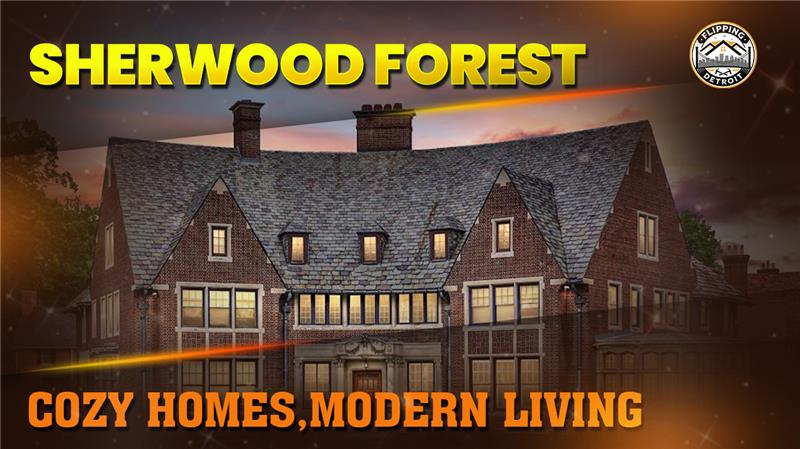
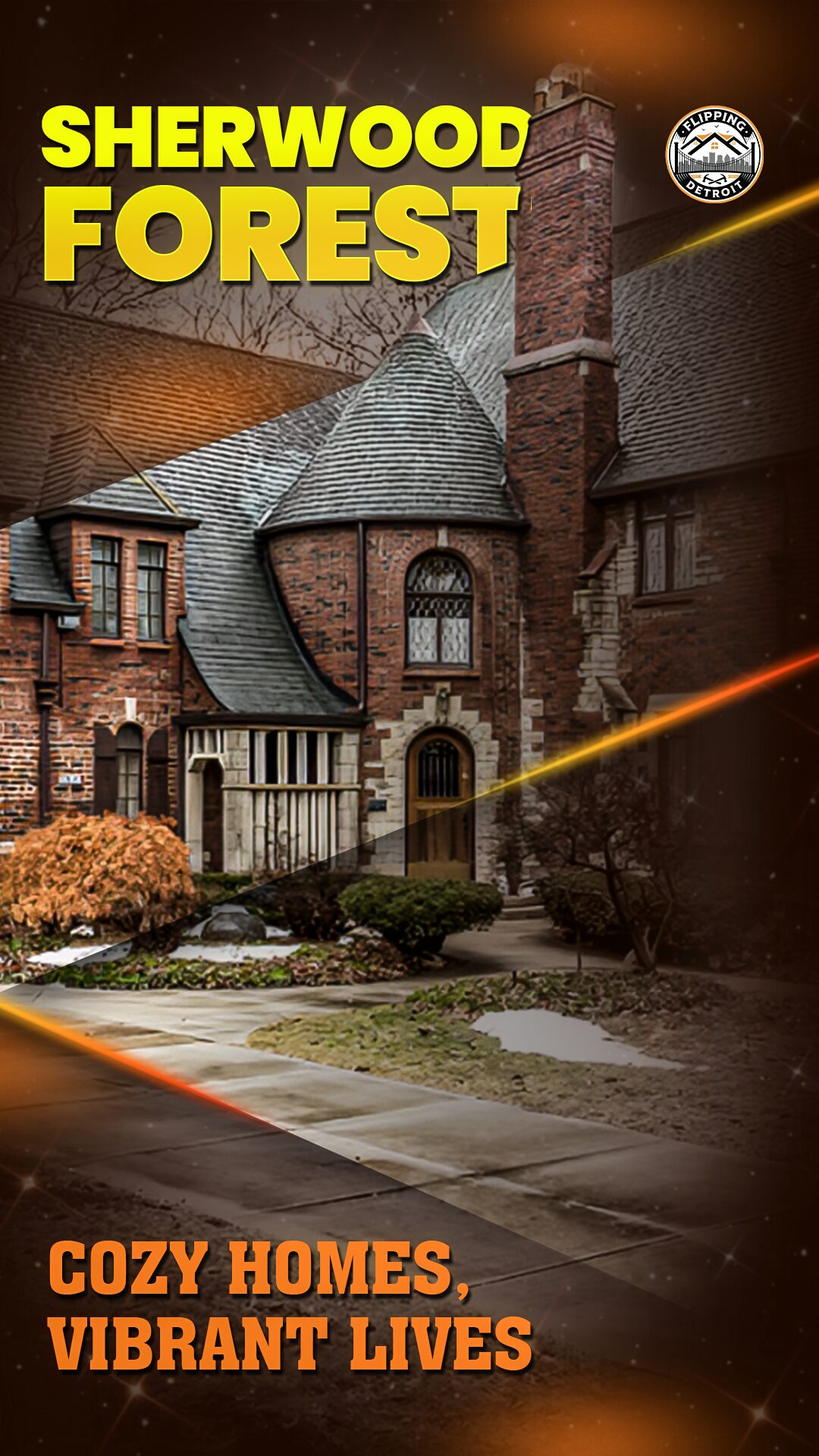
Smackdab between Seven Mile, Pembroke, and the Detroit Golf Club is Sherwood Forest, a neighborhood designed for the city’s emerging professional class of the 1920s and 1930s – a time when Detroit was the most prosperous manufacturing city in the entire world.

Today, District 2’s Sherwood Forest stands as an elegant enclave that perfectly embodies the very best qualities of the city’s architectural golden age—winding streets, stately homes, and century-old oaks that bring to mind classic literature. In fact, the community was even inspired by the romantic imagery of the fabled woods in the story Robin Hood.

With a unique design that strikes a perfect balance between the natural contours of the land and the suburbs, one of Sherwood Forest’s biggest draws is that no two homes are alike here.

In fact, you’re just as likely to encounter a Tudor Revival as you are a Colonial or French Provincial manor, many of which were designed by top early 20th century Detroit architects like Smith, Hinchman & Grylls.

This makes a drive through Sherwood Forest almost like touring a museum of architectural design, with gorgeous mid-century detailing like slate roofs, limestone accents, leaded-glass windows, and arched doorways some of the most commonly seen features.

The area is especially beautiful in the autumn months, when the towering maples, elms, and oaks that line the streets create a tunnel of breathtaking color that’s almost cinematic in nature.

That said, while Sherwood Forest most definitely exudes a timeless elegance, it’s its people who make it truly one of a kind.

Look no further than the Sherwood Forest Association, one of the city of Detroit’s oldest and most active neighborhood upliftment organizations, where residents help maintain Sherwood Forest’s appeal by partaking in yard tours, neighborhood cleanups, block parties, and even annual home-and-garden events.

It’s this reputation for great things that has attracted generations of Detroit’s finest civic, cultural, and business leaders to the Sherwood Forest area, furthering its reputation as a place of heritage, history, and hope.

Recreation and Dining

Sherwood Forest residents are just a few minutes from major attractions like the Avenue of Fashion, Palmer Park, and University of Detroit Mercy, with area favorites like Good Cakes and Bakes, the iconic Baker’s Keyboard Lounge, and Table No. 2 some of the most heavily frequented spots.

On top of that, the neighborhood’s prime location close to the Detroit Golf Club further adds to its upscale vibe, yet it retains an approachable warmth, authenticity, and deep sense of belonging despite its grandeur. 

Expect to find neighbors who have each other’s backs and a lived-in, laidback vibe—not a museum-like one. 

Conclusion

In short: Sherwood Forest is living proof of Detroit’s historic roots and endless beauty—regal, dignified, and alive with the kind of quiet confidence it takes for a neighborhood to endure through even the toughest time periods.

With this in mind, what the future has in store for it is sure to be promising. 

Seven Mile Lodge: Endurance, Recreation, and Community in Northwest Detroit

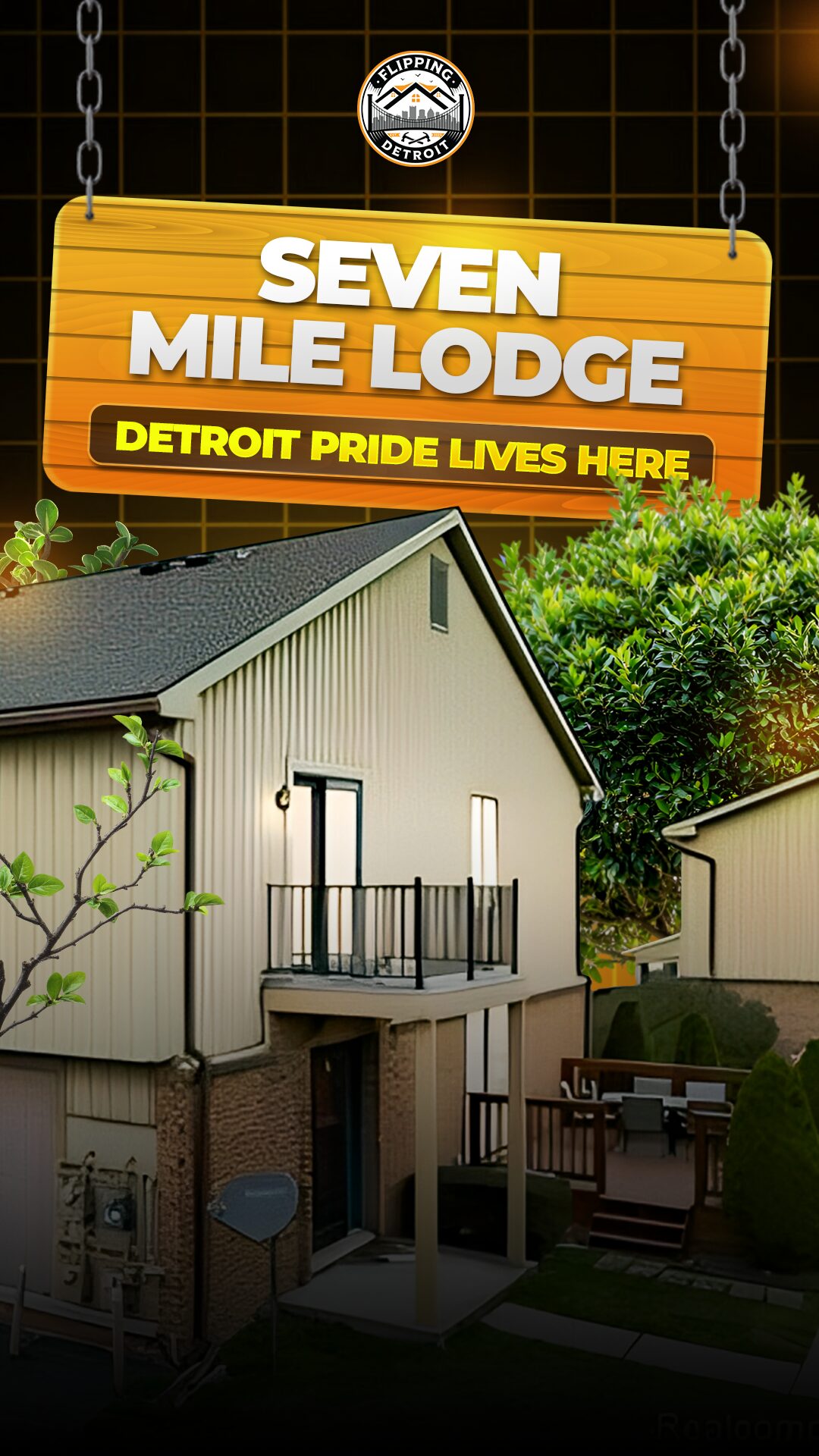
Seven Mile Lodge is situated near Seven Mile Road in northwest Detroit’s 48235 ZIP code and is a corridor that strikes a perfect balance between residential calm and urban convenience.  

Best known for its nightlife scene, flourishing mom-and-pop businesses, and deep community ties, the area around Seven Mile Lodge has long served as a gathering point for Detroiters from all different walks of life.

Seven Mile Lodge’s Neighborhood Aesthetic

Take a drive down Seven Mile Lodge roads like Murray Hill, Greenfield, and Schaefer, and you’ll get a good idea of the architecture the area is known for, with small colonials and modest brick bungalows, some of the most commonly seen.

It’s the kind of place where the city’s creative pulse and working-class energy seamlessly intersect, a culture rooted in its history as a mid-century boom neighborhood that was a haven for area auto workers and educators drawn in by the promise of stability and Seven Mile Lodge’s close proximity to jobs. 

Today, many of those same homes remain occupied by the offspring of those early settlers, reflecting the endurance and loyalty of Detroit’s residents. 

The Iconic Lodge at the Center of it All

Seven Mile Lodge’s biggest draw is the lodge that gives it its name, a historic Detroit bar, live music venue, and cultural landmark.

Unlike the many flashy lounges downtown Detroit has to offer, the Lodge has never tried to be something it isn’t. 

Quite the contrary, it’s Detroit as it is: authentic, a little rough around the edges, and above all else…magical. 

Stop in on Thirsty Thursday or a busy Saturday evening, and you’ll find everyone from entrepreneurs and artists to off-duty factory workers sharing drinks, enjoying music, and exchanging stories.

It’s a beloved watering hole where the walls tell stories in the form of photos of musicians and colorful murals of jazz and Motown greats – a welcoming setting where people enter as strangers and leave as family. 

Community, Culture, and Everyday Life

Beyond Seven Mile Lodge’s nightlife scene, the area is also anchored by a number of block clubs and churches that mentor youth, organize cleanup events, and hold food drives.

Expect to find families and neighbors gathering for backyard cookouts, older residents reminiscing on the good old days while tending to gardens, and endless local corner stores and small eateries, many of which have been run by the same families for generations.

For outdoor fun, head on over to nearby Palmer Park and Peterson Playfield for trails, sports courts, and green space relaxation, or walk through the Avenue of Fashion on Livernois just a few minutes east for everything from shopping to art galleries and dining options.

Final Word

Seven Mile Lodge is far from polished, and it isn’t trying to be. 

It’s the kind of place that survives because it holds a special place in the hearts of the people who built it from the ground up – the loyal residents who never left, and the next generation settling down in one of the city’s most welcoming areas.

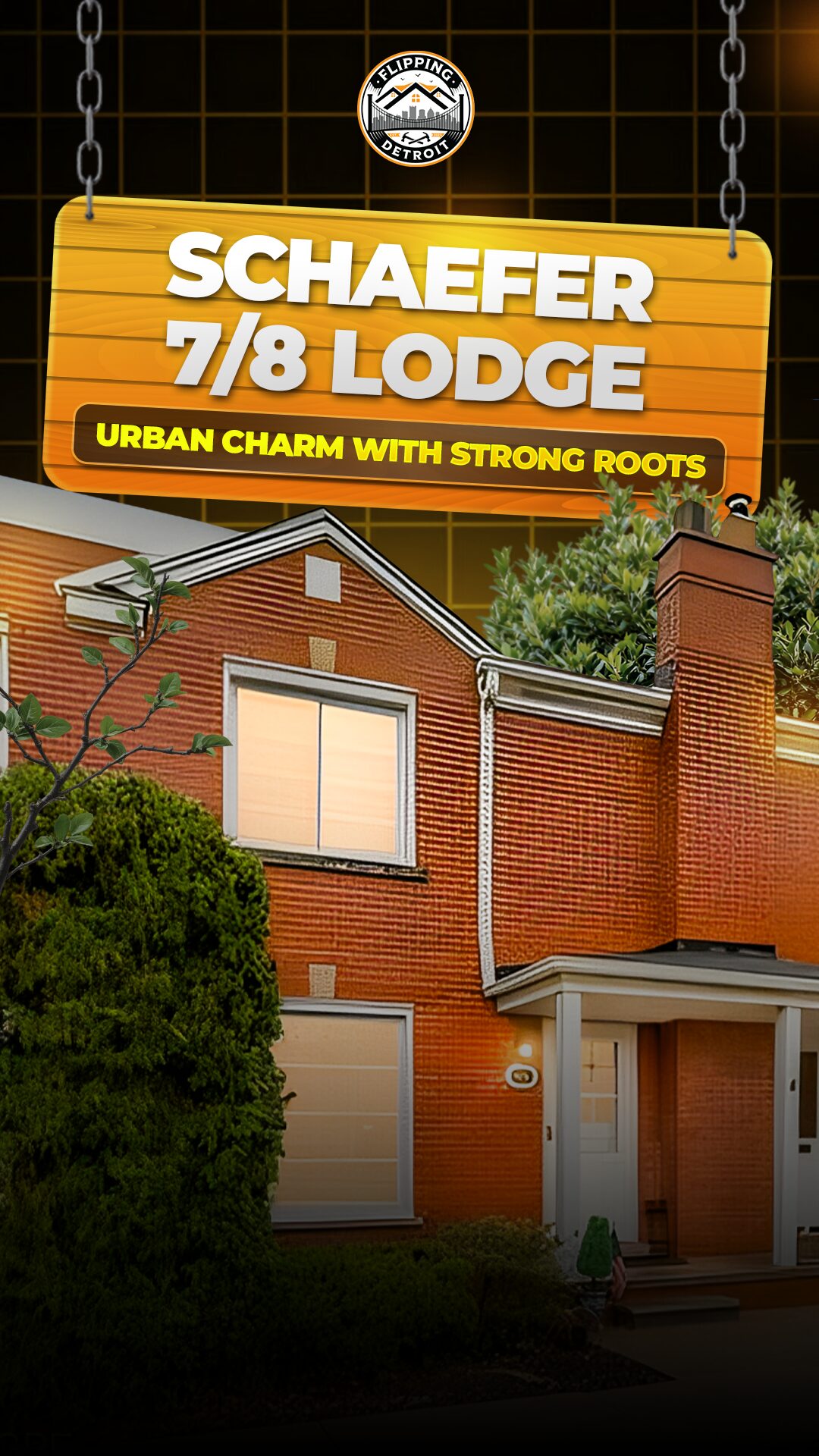
Schaefer 7–8 Lodge: Soul, Convenience, and Community Northwest Detroit

The Schaefer 7–8 Lodge neighborhood came into existence in the 1940s and 1950s in the area between Seven Mile and Eight Mile along Schaefer Highway in District 2’s 48235 ZIP code. 

With sturdy brick homes just a short walk from a number of small businesses, it’s a postwar working-class neighborhood of warmth and soul where gospel music drifts from open church doors on Sunday mornings and neighbors still wave at each other from their front lawns.

A product of Detroit’s postwar boom period when auto industry jobs were in great abundance and homeownership was a cornerstone of the American dream, Schaefer 7–8 Lodge is overflowing with homes that bring to mind that time, with mid-century colonials, tidy bungalows, and solid brick ranches, some of the most commonly seen.

There’s a relaxed, easy-going energy to the area thanks to mature tree-lined streets like Forrer, Murray Hill, and Snowden, which separate the soft hum of Schaefer’s residential life from the hustle and bustle of the rest of Detroit.

With well-maintained front lawns, active block clubs, and the quiet pride of long-term residents who have lived in the neighborhood for generations, the neighborhood’s pride is evident in every block.

A Faith Based Community

Faith is the lifeblood of Schaefer 7–8 Lodge.

Here you’ll find churches of every shape and size that are more than just places of worship – they’re active community hubs with everything from youth mentorship programs to lively events and food drives.

Expect to see busy streets full of nicely dressed families on Sundays, as well as beautification projects and neighborhood clean-ups taking place thanks to the presence of a number of active block clubs.

It’s the kind of place where you’ll find generations of the same family within a few blocks of each other, with many homes in the area passed down from one generation to the next.

Recreation and Future Forecast

Nearby Schaefer Highway is also a pivotal part of Schaefer 7–8 Lodges identity – an active stretch between Seven and Eight Mile that puts residents right within reach of carryout restaurants, family-owned salons and barber shops, bakeries, mom-and-pop shops and corner stores that have been contributing to the area’s local economy for decades.

As for nearby outdoor recreation, look no further than Peterson Playfield for a more relaxed experience, or Detroit’s iconic Palmer Park for something more comprehensive and scenic. 

A community backed by longtime homeowners who take great pride in maintaining both their properties and Schaefer 7–8 Lodges overall curbside appeal, there’s a quiet resurgence taking place here, one fueled not by flash-in-the-pan development, but by care, continuity, and faith.

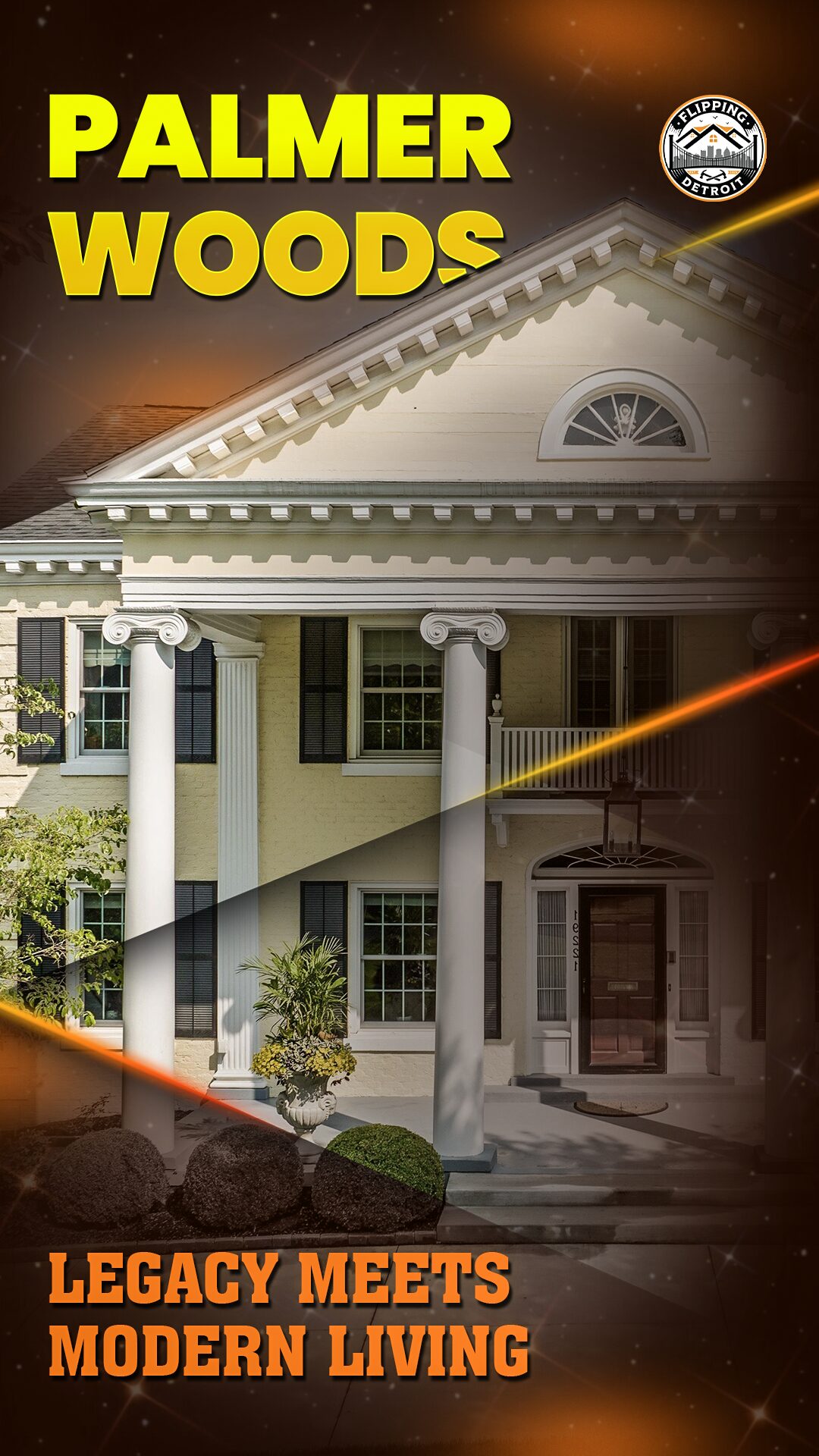
Palmer Woods: Detroit’s Architectural Gem

Palmer Woods is one of Detroit’s most prestigious neighborhoods, a secluded oasis defined by its sturdy Tudor manors, century-old elm-lined streets, and 

In many ways, it feels more like an English garden or a living tribute to Detroit’s architectural golden age than just another city block. 

Stretching across Detroit’s 48203 and 48221 ZIP codes with a location central to the city’s beloved Woodward Avenue and the Detroit Golf Club, Palmer Woods is a stunning legacy district where craftsmanship, community, and artistry seamlessly intertwine.

Development and History

A vision of old-world elegance right within Detroit city limits, Palmer Woods owes its existence to Senator Thomas Witherell Palmer, the same visionary who donated nearby Palmer Park to the city of Detroit.

The area was first developed in 1915 alongside landscape architect Ossian Cole Simonds, who based its design on the “garden suburb” concept known for its grid streets, huge lots dotted with mature trees, and a strong emphasis on harmony between architectural development and nature. 

The end result?

A relaxed yet aristocratic community for Detroit’s elite, just minutes from downtown Detroit despite the fact that it feels an entire world away.

As for the homes in the area, expect to find nothing short of mid-century architectural masterpieces. 

This is no surprise considering the fact that Palmer Woods attracted the very best architects and builders of the era between 1917 and 1930, from Albert Kahn to Clarence Day to Minoru Yamasaki.

These aren’t just homes.

They’re sprawling, breathtaking estates in styles such as Georgian Colonials, French Chateaus, Tudor Revivals, and Mediterranean Villas with original detailing like limestone and copper accents reflecting an era when design was just as much about artistry as it was about permanence. 

Culture, Civic Life, and Legacy

From its earliest years, Palmer Woods quickly became the home base to key players such as industrial giants, financiers, automotive visionaries, doctors, and musicians. 

It even entered the spotlight as the home base of Detroit’s iconic vocal powerhouse and Queen of Soul, Aretha Franklin.

Since then, the neighborhood has further evolved without ever losing its affluent reputation. 

Look no further than the presence of the Palmer Woods Association, one of the city of Detroit’s oldest and most active neighborhood enrichment groups.

The association has been putting in hard work for generations to preserve the district’s unique character, all while welcoming new generations of residents with open arms.

In short, Palmer Woods is one of the hubs of Detroit’s ongoing rebirth: an elegant, diverse enclave defined by history and beauty in equal measure.

Drive through the area on a lazy Sunday, and you will see it for yourself.

Popular main drives like Strathcona, Wellesley, and Balmoral, with curving streets lined with mansions framed by well-kept gardens, ivy-covered chimneys, wrought-iron gates, and huge maple trees, have an almost cinematic feel to them.

That said, what sets Palmer Woods apart above all else is its sense of community. 

It is the kind of place where you will find neighbors doing small favors for each other, block clubs hosting events like concerts and seasonal house tours, children riding bikes down century-old roads, and dog walkers and joggers pausing to chat with each other. 

Shopping, Nearby Education Hubs, and Outdoor Access

Palmer Woods sits right at the intersection of Detroit’s very best recreation options. 

If outdoor recreation is your thing, head on over to Palmer Park’s hiking trails. More of a golf fan? Detroit Golf Club’s fairways have you covered.

For shopping, Livernois’ iconic “the Avenue of Fashion” has endless boutiques, black-owned businesses, and restaurants right within reach, as well as respected learning and cultural institutions like the University of Detroit Mercy and the Marygrove Conservancy.

For anything else you might need, simply head downtown in just fifteen minutes by hopping on Woodward.

Final Word

Palmer Woods is a must-see for Detroit’s architecture lovers. 

Drive down Woodward onto Balmoral Drive and let the quiet roads guide you past historic mansions or visit during the annual home and garden tour to get a feel of the neighborhood’s spirit firsthand – neighbors interacting, musicians performing on lawns, and the city’s finest homes.

It is not just one of Detroit’s most striking neighborhoods – it is a testament to what endures when beauty, integrity, and community are built to last.

Palmer Park: Detroit’s Historic Green Neighborhood

Palmer Park is a product of Detroit’s “City Beautiful” Movement and a model of the 19th-century’s health, relaxation, and beauty ideals.

Once considered the city’s prestigious northern oasis, the area consists of elegant architecture, deep cultural roots, and a sprawling stretch of amenities that feels worlds away from the hustle and bustle of Woodward just beyond the tree line.

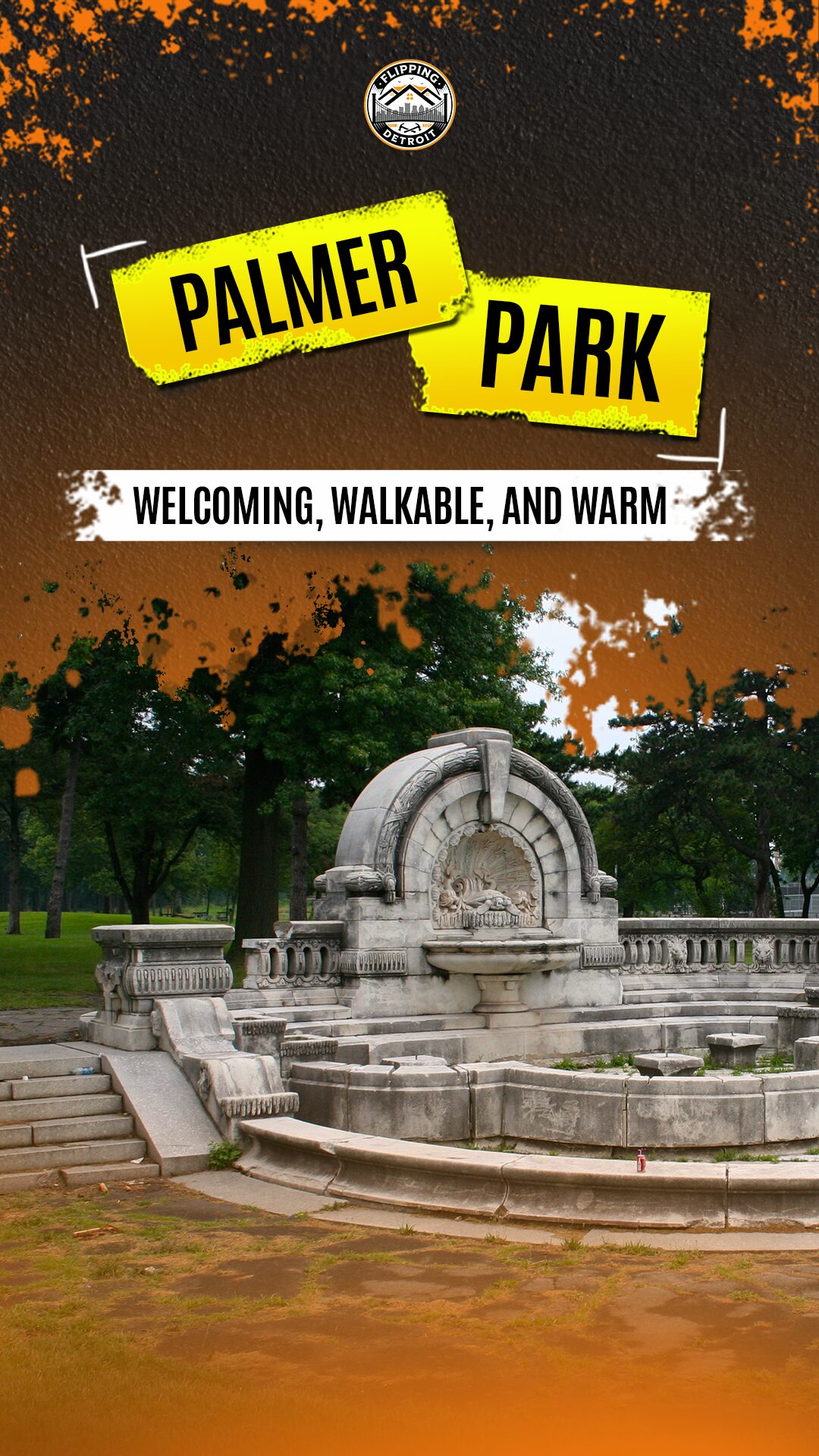
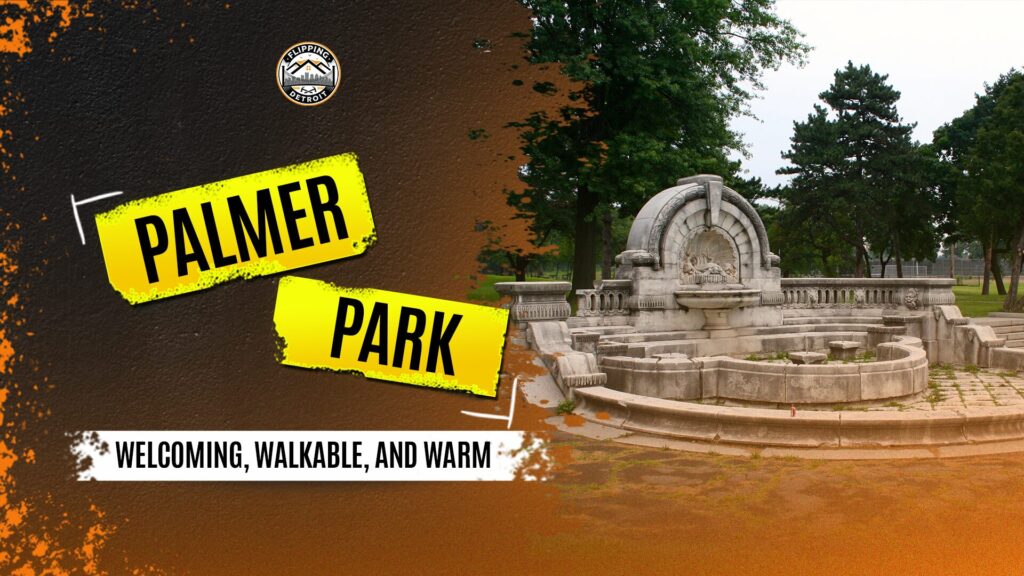
Located on Woodward Avenue between Six Mile (McNichols) and Seven Mile, Palmer Park is more than just a community named after a beloved park—it’s living proof of Detroit’s endurance, rich heritage, and love of wide-open space.

The History of One of Detroit’s Most Gorgeous Communities

Palmer Park came into being thanks to U.S. Senator Thomas Witherell Palmer and his wife, Lizzie Merrill Palmer, who lovingly donated over 140 acres of their estate to the people of Detroit in 1893.

With that donation came a strong mission: that the land always remain a sacred place for enjoying nature that would forever be free and open to everyone – a vision that has endured the test of time for over a century.

With breathtaking rolling meadows, endless trails, a relaxing lake for waterfowl sightseeing, and a log cabin built in 1887 that was once the Palmer couple’s summer retreat, Palmer Park stands as one of Detroit’s most treasured landmarks. 

A Neighborhood of Timeless Architecture and Unmatched Energy

Surrounding Palmer Park is the Palmer Park Historic District, one of Detroit’s most architecturally rich areas thanks to the stunning early 20th-century Spanish Colonial and Moorish Revival properties with art deco touches you’ll find in the area, a callback to the creative and professional class the city once housed in huge numbers. 

There’s a certain…cinematic quality to the area, an aura that brings to mind the mid-1900s Palmer Park era that attracted educators, activists, and artists of all different races and creeds.

In fact, Palmer Park was one of Detroit’s first neighborhoods where interracial and LGBTQ+ residents could live in peace, and that legacy of acceptance still influences the area’s culture to this day.

Even after decades of decline, Palmer Park has managed to stay afloat thanks to the efforts of its devoted residents as well as various nonprofits and block clubs that have put in tireless work to maintain the area’s curbside appeal.

Today, the park is known for hosting endless art fairs, festivals, youth mentorship programs, and yoga classes, with its brand-new playground additions, updated century-old carriage trails, tennis courts, seasonal splash pad, and sports fields keeping the area buzzing with activity year-round. 

In short: It’s one of Detroit’s rare districts where history, nature, and everyday convenience seamlessly intersect. 

Another huge plus is that Palmer Park is just a few-minute drive from other cherished Detroit suburbs like Detroit Golf Club, University of Detroit Mercy, and the Livernois Avenue of Fashion, providing locals and visitors alike with easy access to some of the city’s best shopping, dining, arts, and culture scenes.

Local Tip

To get a better idea of what Palmer Park has to offer, spend a day enjoying the trails, pop by its historic log cabin, take in a night of jazz at Livernois’ iconic Baker’s Keyboard Lounge, or simply relax by the lake taking in the views.

You’ll quickly understand why it’s considered a sanctuary, a gathering place, and a symbol of Detroit’s resilient spirit. 

Detroit Golf Club: An Upscale Green Community in Northwest Detroit

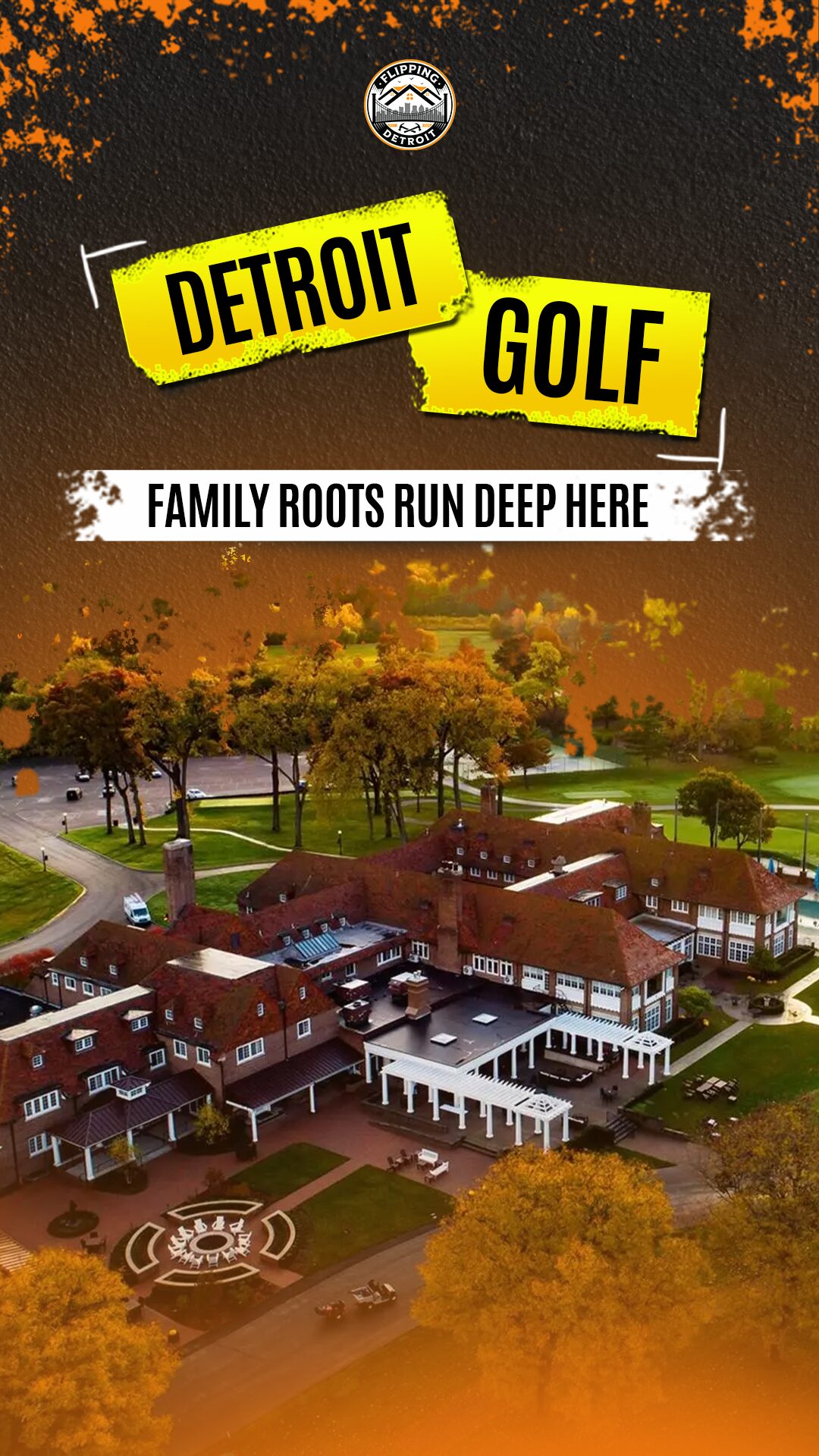
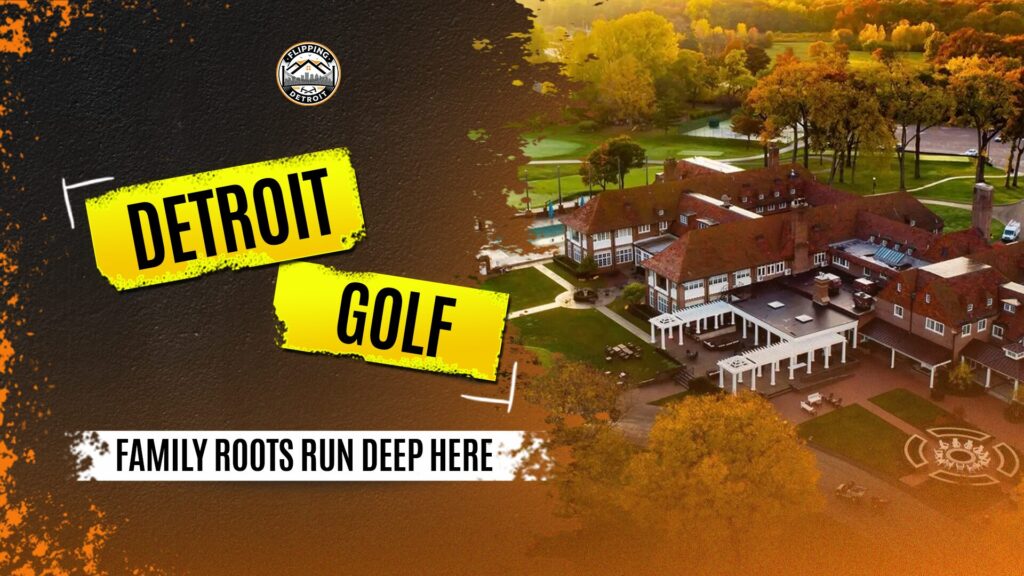
Founded in 1899 by William R. Farrand and a few other devoted businessmen, Detroit Golf Club got its start as a nine-hole golf course designed by the legendary Donald Ross before expanding to two full 18-hole layouts in 1916.

Nestled between Seven Mile and Eight Mile in Detroit’s 48221 ZIP code, the neighborhood is easily one of the city of Detroit’s most historic areas.

The energy here is one of prestige and distinction, with elegant architecture, huge fairways, and a legacy rooted in Detroit’s rise as an industrial giant.

In short, it’s not just a golf course…it’s a living landmark, especially thanks to the presence of its massive clubhouse, which dates back to 1918 and got its start as a gathering place for recreation and networking for Detroit’s early men of esteem, from auto industry tycoons to civic icons and athletes.

History, Architecture, and Culture 

By the 1920s and 1930s, Detroit Golf Club’s reputation as a place of great wealth had begun to spread, bringing with it major transformation and development that saw local farmland being turned into a lush, sprawling garden community with huge colonial estates.

Many of these homes are still standing today, standing as perfect examples of the higher level of craftsmanship Detroit’s architectural golden age was so known for.

Look no further than the streets that line the course—Fairfield, Parkside, and Pontchartrain—which offer one of the most breathtaking stretches in all of Detroit.

Here you’ll find gorgeous Tudor Revivals, Colonials, and Georgian manors on generously sized lots with mature oaks and original detailing like leaded-glass windows and limestone façades, all with a perfect view of the fairways off in the distance.

Another huge perk is the neighborhood’s location just minutes from Marygrove Conservancy and the University of Detroit Mercy, creating a strong sense of community engagement as well as intellectual depth.

As for the area’s cultural footprint, expect to find active, hands-on residents who are proud to participate in block associations and preservation committees that do what it takes to help retain the community’s historic charm and reputation as a place of tranquility and honor.

It’s a neighborhood backed and supported by many generations of loyal Detroit natives, with everyone from educators to business leaders and athletes calling it home.

Residents are also just a short drive from Detroit’s beloved Avenue of Fashion, where you’ll find area favorites like Table No. 2 for soul food in a fine dining setting, Good Cakes and Bakes, and legendary jazz club, Baker’s Keyboard Lounge.

More of an outdoor recreation fan?

Head just across Seven Mile to Palmer Park, where you’ll find tennis courts, trails, and one of Detroit’s oldest log cabins.

Home of Detroit’s PGA Tour Event, Rocket Mortgage Classic

Car lovers, rejoice.

Detroit Golf Club has been home to the Rocket Mortgage Classic since 2019, the first PGA Tour event in Detroit history.

The event puts the club’s manicured greenspace on the national stage for one week each summer, showcasing world-class golf alongside Detroit’s ongoing comeback without ever disrupting the neighborhood’s stately calm.

Local Tip

To truly understand Detroit Golf Club’s charm, simply take a drive down Parkside at sunrise, take in the golden sunlight spilling across the greenery and rooftops, then head on over to Livernois for a coffee before swinging by Palmer Park for an afternoon of outdoor fun.

You’ll quickly see that Detroit Gold Club isn’t just another point on the map…it’s a place with strong roots to the city’s iconic past, where grace, tradition, and transformation seamlessly intersect. 

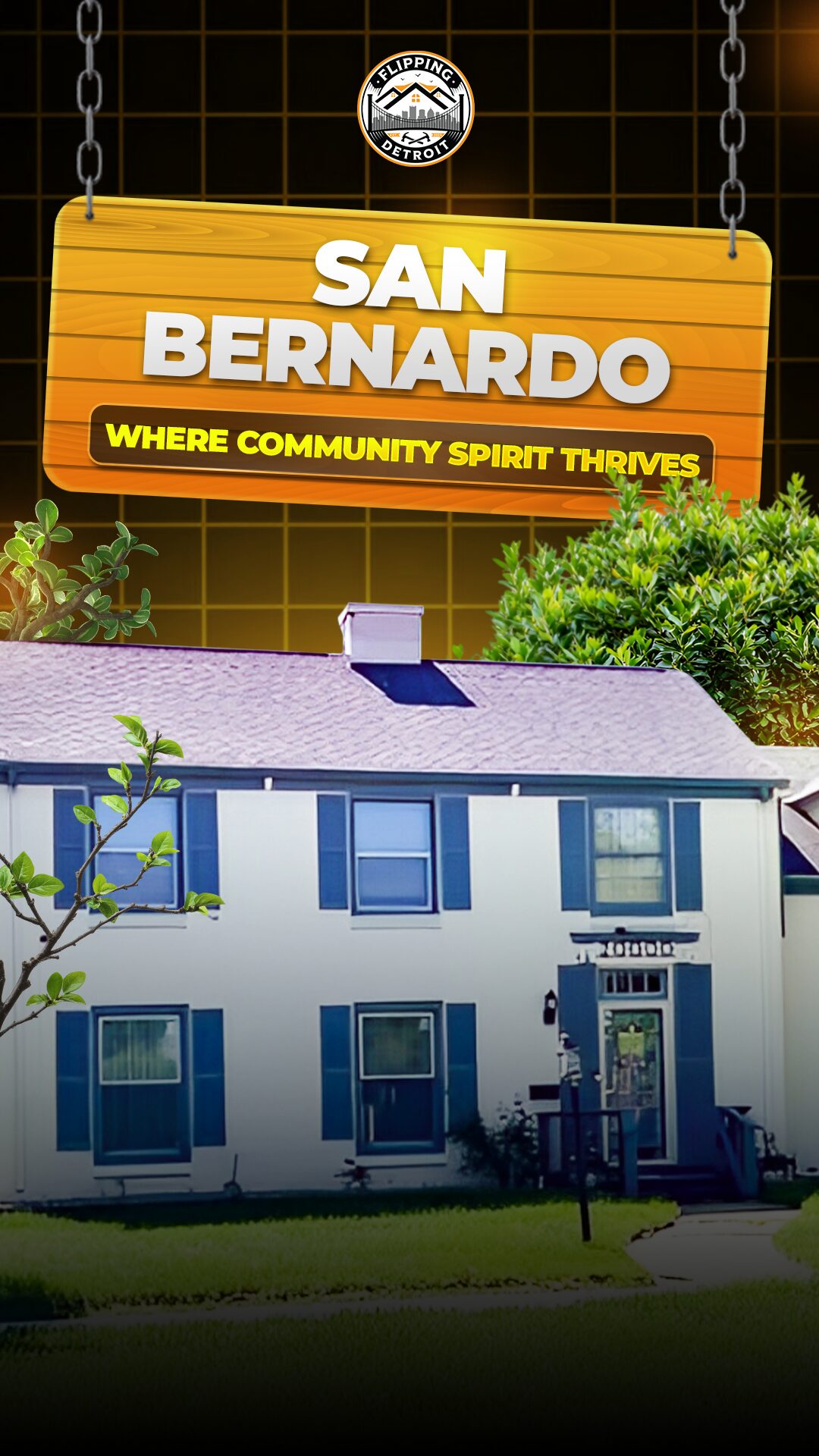
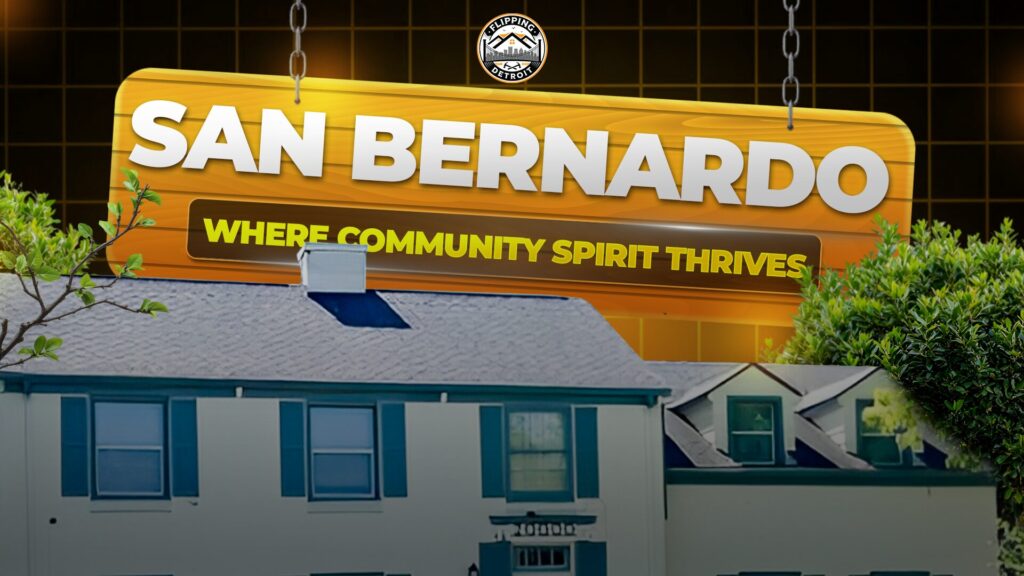
San Bernardo: Soul and Community in Northwest Detroit

San Bernardo is a Northwest Detroit neighborhood that found its footing right on the heels of World War II, during Detroit’s population boom and subsequent housing expansion. 

Located within Wayne County’s 48235 ZIP code, it’s a smaller, unassuming neighborhood that perfectly embodies the unique energy many residents love most about the city of Detroit as a whole – steady, authentic, and rich with history.

Bordered by Greenfield Road, Schaefer, Seven Mile, and McNichols (Six Mile), San Bernardo sits right at the intersection of Detroit’s residential northwest, with streets like Burt, Vassar, and Kentfield winding quietly beneath mature trees and giving the area a suburban calm despite the fact that it’s still right within city limits.

A Working Family Neighborhood

San Bernardo was built for educators, auto industry workers, and WWII veterans returning home in search of stability and an affordable place to live.

The majority of the homes here were built between the late 1940s and 1960s, with craftsmanship that reflects classic Detroit architecture.

Think: ranches, Cape Cods, and brick bungalows with gorgeous detailing like arched entryways, huge front porches, broad driveways, and fenced-in yards maintained by devoted residents who have lived in the area for decades. 

That said, San Bernardo’s greatest strength isn’t its homes or curbside appeal.

It’s its people. 

It’s the kind of place where you’ll find multiple generations living on the same road, neighbors who have never stopped looking out for each other, elders regaling the youth with stories of the good old days, and younger homeowners breathing new life into the area.

It may not be the flashiest Detroit living community, yet for what it lacks in viral social media posts, it makes up for in the natural cadence of everyday life—children playing, backyard BBQs, the chirp of birds, and the hum of lawnmowers in the summer.

San Bernardo Community, Culture, and Day-to-Day Life

Faith is one of San Bernardo’s main pillars.

There are several churches in the area that act as neighborhood centerpieces, providing everything from youth mentorship to food drives and lively events.

Parks also play a pivotal role in the neighborhood’s identity, with Comstock Park and nearby Viola Liuzzo Playground two of the most heavily frequented thanks to their winding bike and walking trails, sports courts, wide open fields, and cookout shelters.

A place of balance and stability, San Bernardo has managed to preserve through Detroit’s many high and low periods thanks to its loyal residents and active block clubs that regularly organize beautification projects and neighborhood cleanups.

All in All…

With stable property values, it’s no wonder San Bernardo is such a draw for first-time buyers looking for a quality suburb right within Detroit city limits.

Drive through the area on a lazy Sunday afternoon and you’ll see it for yourself: its quiet charm, sunlight showering sturdy brick facades, sprinklers watering lawns, and friendly locals chatting on porches. 

In short: San Bernardo isn’t a place of spectacle…it’s one of legacy, familiarity, and quiet pride. 

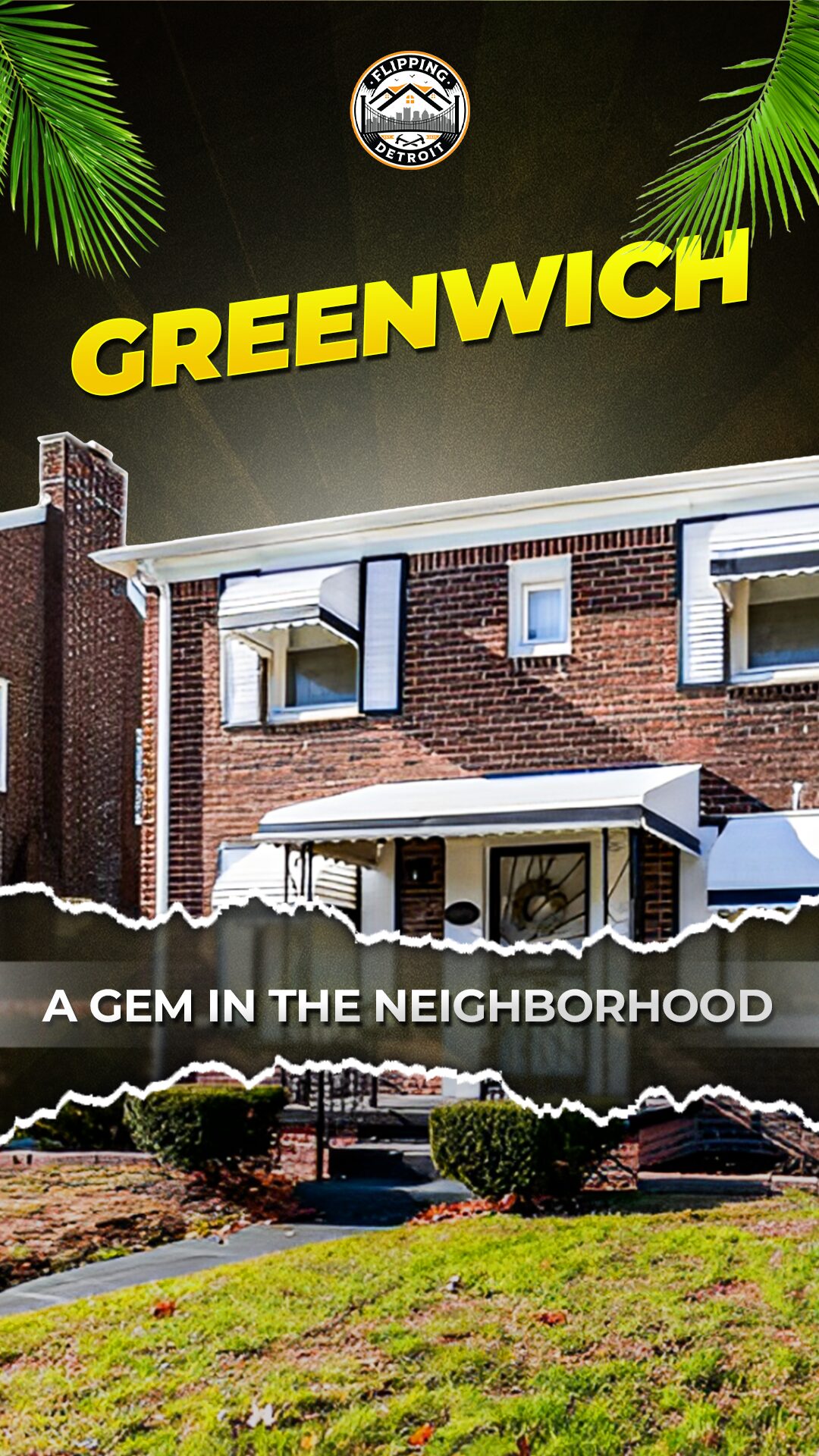
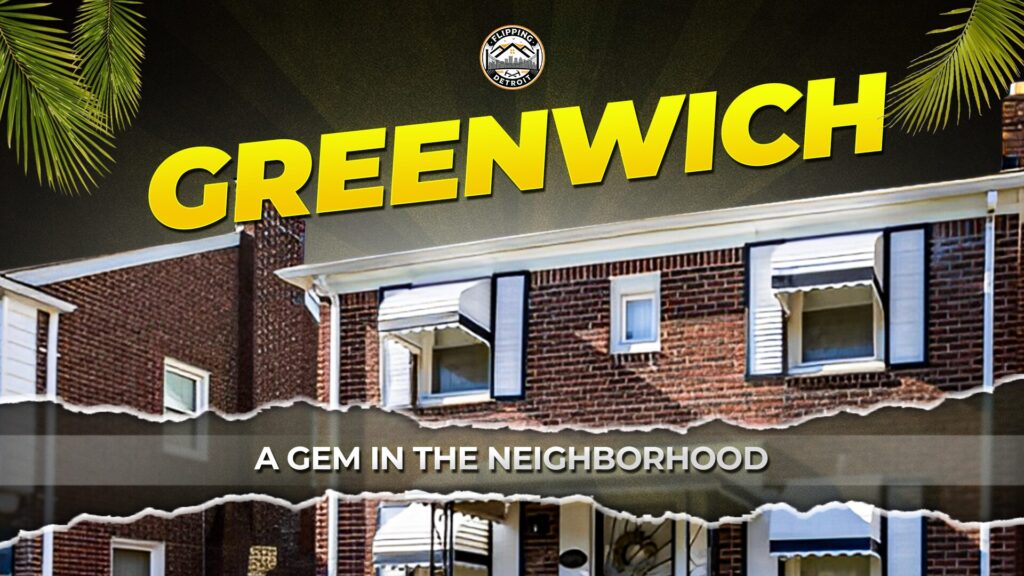
Greenwich: A Quieter Way of Life in Northwest Detroit

Greenwich is a northwest Detroit neighborhood characterized by its long-term residents. 

It’s the kind of place where neighbors still greet each other in the morning and you’ll find many generations living under one roof, with grandparents educating young children about the good old days.

Located in the 48235 ZIP code, Greenwich is one of the city’s most distinctive neighborhoods, one defined by its eye-catching mid-century homes, devoted residents, and suburban calm. 

It may not be as well-known as nearby University District or Bagley, but that doesn’t take away from its charm.

A Neighborhood of Culture, Heritage, and Craftsmanship

Greenwich came into existence between the 1940s and 1960s at the height of Detroit’s automotive boom, quickly gaining a reputation as a pocket of the city where the American dream was alive and well for working- and middle-class families seeking homeownership.

As for architecture, the properties here range from cozy bungalows to stately brick colonials and ranch-style houses, many of which still have their original detailing (hardwood floors, stone accents, arched doorways, etc.). 

One such example is the Louis G. Redstone Residential Historic District, a small collection of modernist homes designed by the renowned Detroit architect Louis G. Redstone in the 1940s. 

The collection is a perfect example of the unique creative energy that once defined Detroit’s design world, which is precisely why these homes remain a point of pride for Greenwich residents.

And although the neighborhood is still technically within Detroit city limits, its peaceful streets and spacious lots give it a distinctly suburban feel, with streets like Appoline, Vassar, and Pembroke perfectly showcasing this with their mature tree-lined streets and manicured lawns.

Greenwich Community Life  

Greenwich’s prime location puts it right at the center of many daily life conveniences thanks to nearby Greenfield and Outer Drive, which have everything from big box chain stores to smaller restaurants and grocers. 

Residents are also just a few mile drive from Detroit’s beloved Avenue of Fashion (Livernois Avenue), which has endless art, dining, and nightlife options that strike a perfect balance between Greenwich’s residential quiet and Detroit’s many urban conveniences. 

There are also various places of worship along West Seven Mile and Outer Drive that double as community gathering spots, offering not only worship but also volunteer opportunities, mentorship, neighborhood improvement programs, and social support for local families alongside local community groups and block associations.

As for outdoor recreation, Greenwich residents are known to spend a lot of time at nearby Palmer and Person Park, both of which offer endless trails, wide open fields for picnics and sports games, and gorgeous wildlife. 

Local Tip

Greenwich’s mix of working-class professionals, retirees, and first-time homeowners has kept Greenwich grounded even through Detroit’s bleakest seasons.

Though the neighborhood has faced its fair share of challenges (blight, abandoned homes, aging infrastructure, lack of city resources), its loyal residents, high homeownership rate, and strong sense of community pride kept it from falling to the wayside. 

Today, Greenwich stands as a model of stability and optimism.

Drive Vassar Drive or Appoline on a warm summer evening, and you’ll see it for yourself…

Children playing sports, the elderly tending to gardens, and above all else…residents who look out for each other even when the going gets tough.

So, while Greenwich might not make headlines, for what it lacks in flash, it makes up for in authenticity and resilience.

In that way, it’s one of the city’s unsung gems.

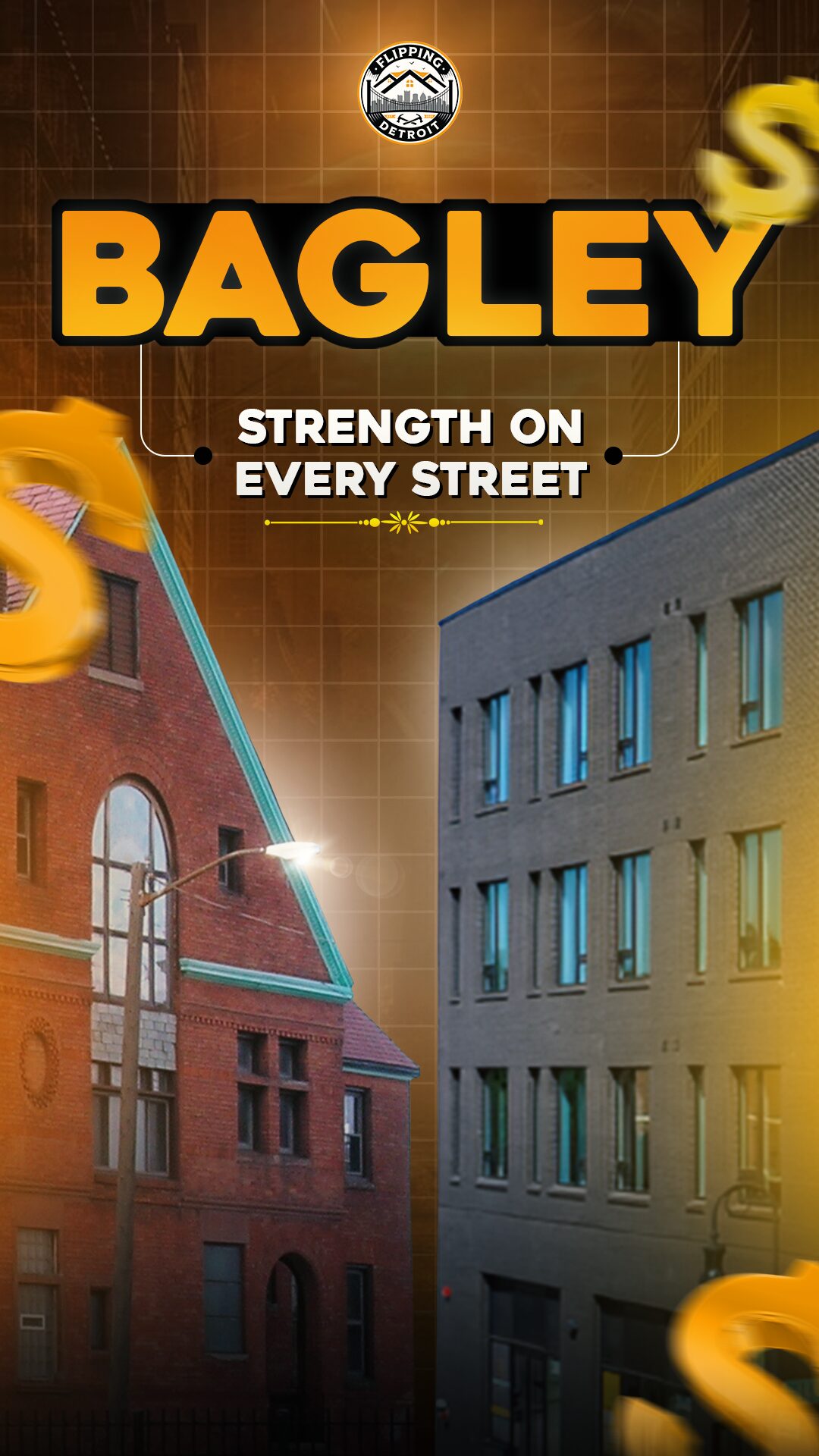
Bagley: Black Excellence in Northwest Detroit

Bagley is an iconic Detroit neighborhood that was first developed during Detroit’s golden age / population boom from the 1920s to the 1940s.

Located at the intersection of Livernois and Wyoming within Wayne County’s 48221 ZIP code, Bagley is a perfect example of the resilient spirit of Detroit and its people.

Known for its rich culture, historic homes, and thriving black-owned small businesses, Bagley is a close-knit people-led community that manages to strike a perfect balance between creative energy and old-world craftsmanship.

Just a few mile drive from the University District and Detroit’s beloved retail therapy hub, the Avenue of Fashion, Bagley is right at the center of tradition and transformation—a neighborhood that embodies both Detroit’s rebirth and its unique legacy. 

Strong Roots, Enduring Spirit

Named after former Michigan governor John J. Bagley,  Bagley came into existence as an affordable middle-class community where city workers, educators, business owners, and engineers – many of whom were people of color – could obtain solidly crafted, elegant homes at a fair price.

Today, those same homes still define the community’s curbside appeal, with Tudors, sturdy brick bungalows, and stately colonials, some of the most commonly seen.

It’s the kind of place where you’ll find longtime residents shoveling snow from each other’s driveways in the winter, sweeping the sidewalks and pruning hedges in the warmer months, and decorating their front yards and porches during the holiday season to such a high degree that it’s practically an art form. 

Culture, Dining, and the Avenue of Fashion

Bagley’s century-old properties that stand as a visual love letter to old Detroit aren’t its only strong draw.

There’s also the fact that it’s right within reach of Livernois Avenue, best known as Detroit’s Avenue of Fashion, a luxury shopping hub known for its boutiques, art galleries, and cafés that first came into existence in the 1950s.

If sweets are your thing, head on over to Good Cakes and Bakes, a nationally acclaimed artisan bakery.

More if a fine dining fan?

Table No. 2 has you covered with mouthwatering soul food in a highly sophisticated setting.

As for music lovers, look no further than the oldest operating Jazz Club, Baker’s Keyboard Lounge, where there’s never any shortage of lively conversation and soul.

Community Outreach

Bagley isn’t just a beautiful community…it’s a deeply united one.

Standing as a perfect example of this is The Bagley Community Council, one of Detroit’s oldest and most active neighborhood organizations (founded in 1939), where you’ll find Bagley locals gathering to host monthly neighborhood cleanups, plant gardens, and mentor area youth.

Thanks to these efforts, property values have remained steady in Bagley through even the toughest decades. 

It’s also held onto its magic, with black excellence not just celebrated, but centered – a reality made known by the sound of jazz, Motown, and gospel always filling the streets.

Bagley Elementary School is another core part of the area’s social backbone thanks to its reputation for educating generations of predominantly black students, as well as 

In short, it’s a place of purpose, enrichment, and culture.

Whether you’re strolling down the Avenue of Fashion, taking in a night of jazz at Baker’s Keyboard Lounge, grabbing a slice at Detroit Pizza Bar, or admiring Detroit’s classic architecture down Santa Rosa or Fairfield, there truly is something for everyone here.