
or

By signing in, I accept the Rebuildetroit.com Terms of Use.

Agent Registration

Find Your Agent Profile

Agent Registration

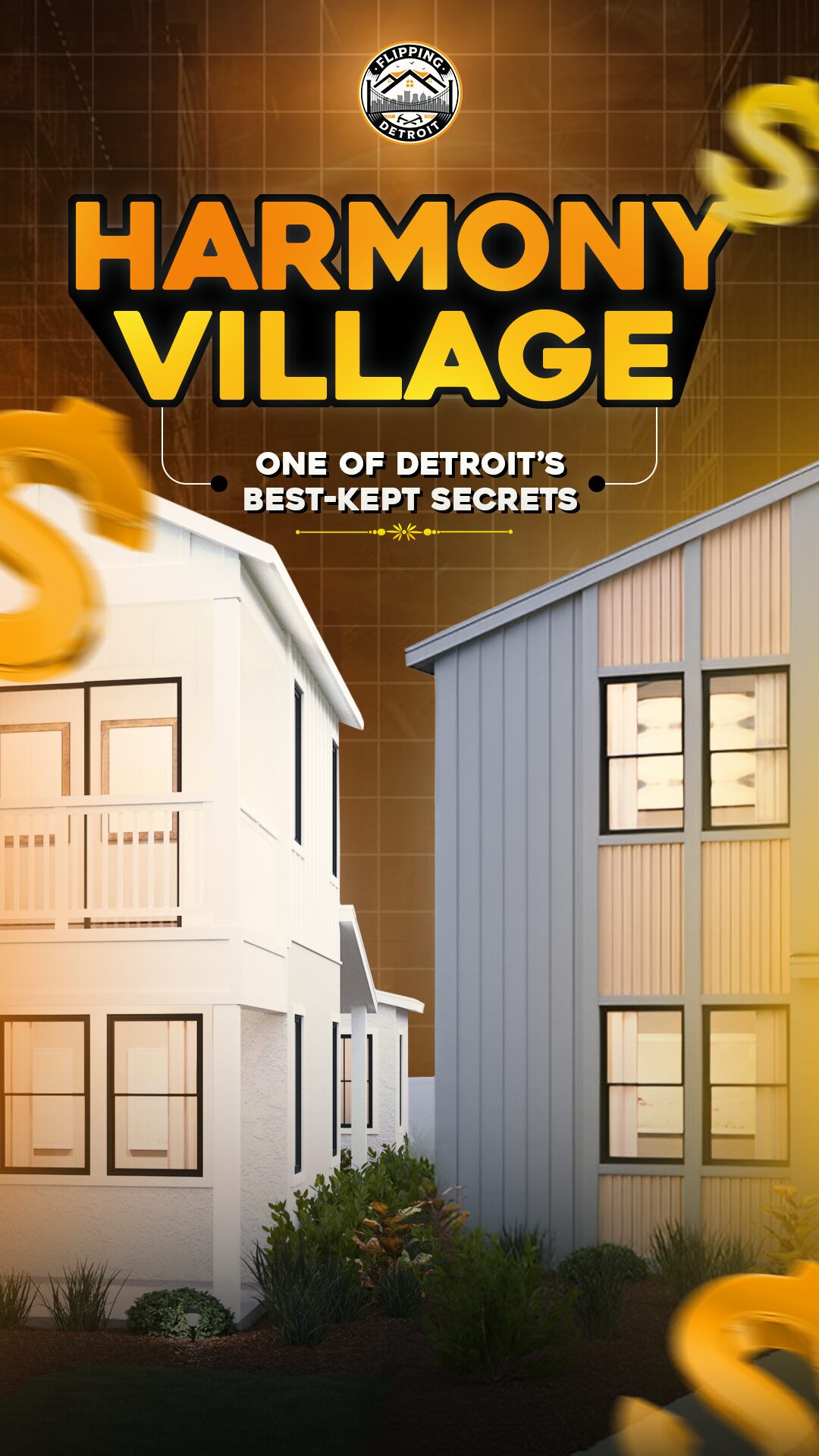
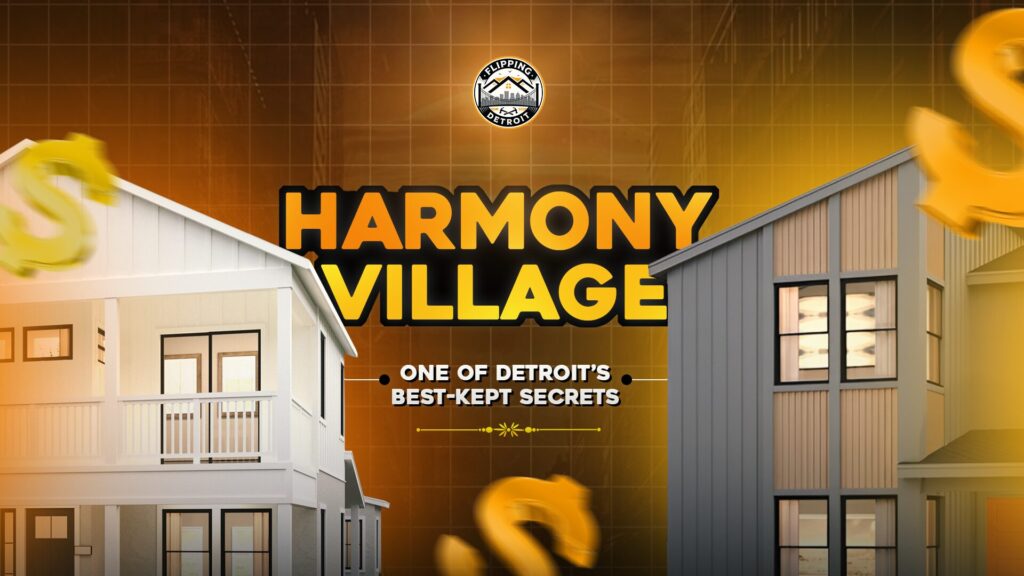
Harmony Village: A Relaxed Neighborhood Close to Shopping and Dining in Northwest Detroit

Harmony Village is a 48235 ZIP code neighborhood located just west of the city of Detroit’s bustling Livernois (Avenue of Fashion) corridor, offering a quieter way of life central to the very best shopping, dining, and cultural locations the northwest side has to offer.

Living up to its name, Harmony Village brings balance and neighborly rhythm—steady, warm, and deeply rooted in the heart-centered connections that make a place feel like home.

Architecture Defined by Character and Comfort

Most of the properties you’ll find in Harmony Village were built between the 1940s and 1960s, a time when Detroit’s signature brick craftsmanship was on full display in the form of sturdy ranches, colonials, and bungalows with features like huge front windows, original wood flooring, and large front porches. 

It’s the kind of place where you’ll find devoted long-time residents and newcomers alike – people who take great pride in maintaining not just their own homes, but the community’s overall curbside appeal – as seen in Harmony Village’s tidy front lawns, newly rehabilitated properties, and the front porches decorated for every season. 

These are blocks where neighbors notice when someone moves in or out – blocks where you’ll find residents conversing over fence lines, trading favors, swapping barbecue recipes, and elders watching after the youth just like the good old days.

Churches also play a pivotal social role in the community, especially the well-known Harmony Village Community Church from which the neighborhood gets its name – a major community life anchor thanks to its youth mentorship programs, extracurricular activities, and lively seasonal events. 

Amenities and Recreation Right Within Reach

One of the biggest perks of life in Harmony Village is how close it is to beloved Detroit landmarks, such as:

  • The Livernois “Avenue of Fashion” for black-owned businesses, boutiques, dining, and nightlife such as Bakers Keyboard Lounge, the oldest jazz lounge in the world
  • Palmer Park for sports fields, playgrounds, and outdoor recreation
  • Marygrove Conservancy, once an esteemed higher learning institute, now a hub for enriching arts and community programming

As well as major roads like Lodge and Six Mile (McNichols) for quick access into downtown and nearby suburbs for grocery shopping and larger chain stores.

Looking Forward…

Despite its strong points, Harmony Village has seen its fair share of blight, vacant homes, and aging infrastructure.

That said, the upward momentum you’ll find here is still unmistakable. 

Take a drive through the area and you’ll find first-time homebuyers, longtime residents, and young families working tirelessly to improve Harmony Village’s reputation – proof that the neighborhoods strongest asset has always been its people.

Head down corridors like Murray Hill, Strathmoor, or Monica and you’ll see the uplifting energy up close: children playing catch, neighbors catching up as they water their lawns, and plenty of friendly faces ready to greet you with a smile and a wave.

Harmony Village may not be Detroit’s flashiest neighborhood, yet for what it lacks in viral appeal, it makes up for with genuine connection, care, and an everyday sense of belonging—exactly like what its name promises.
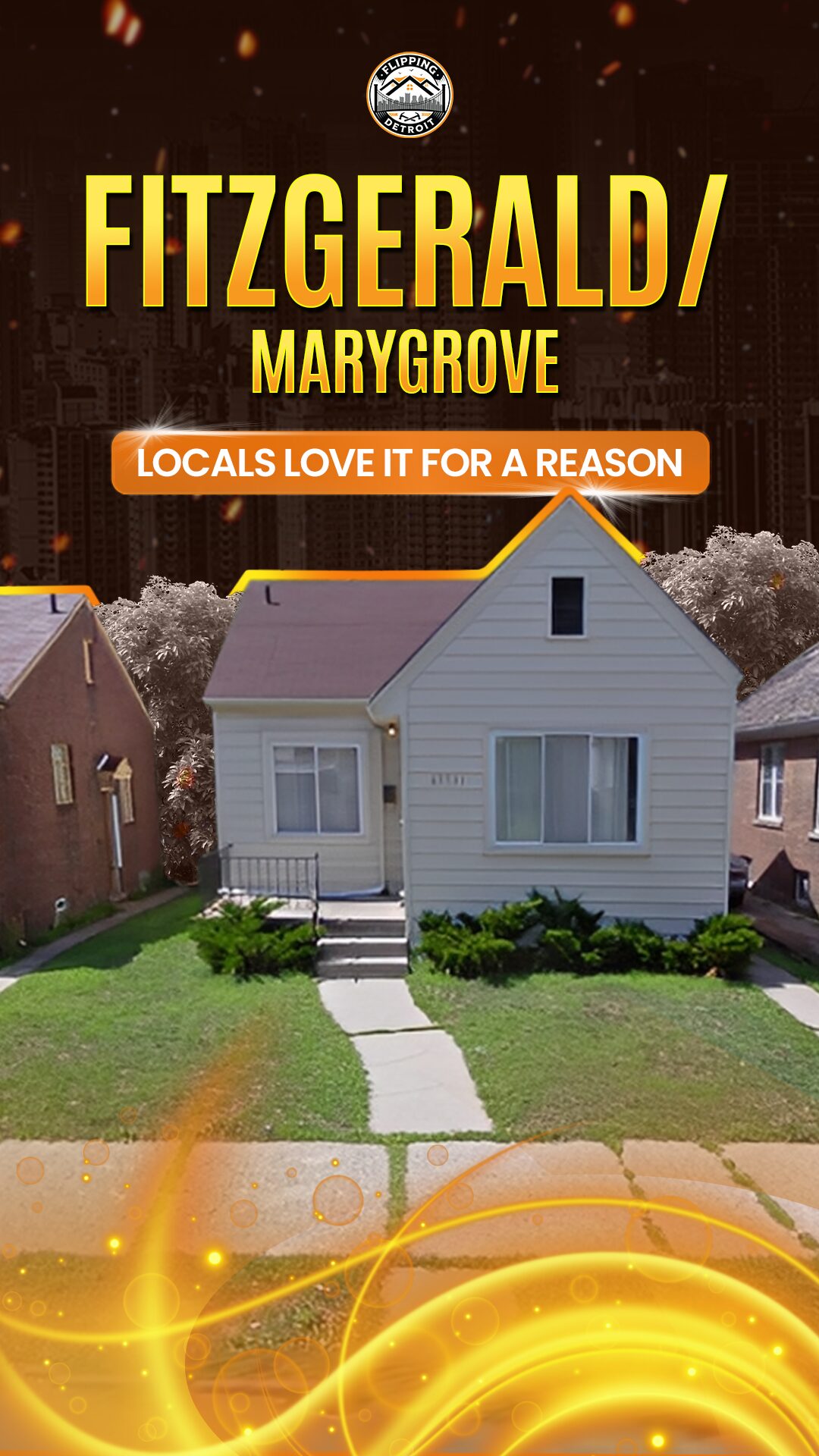
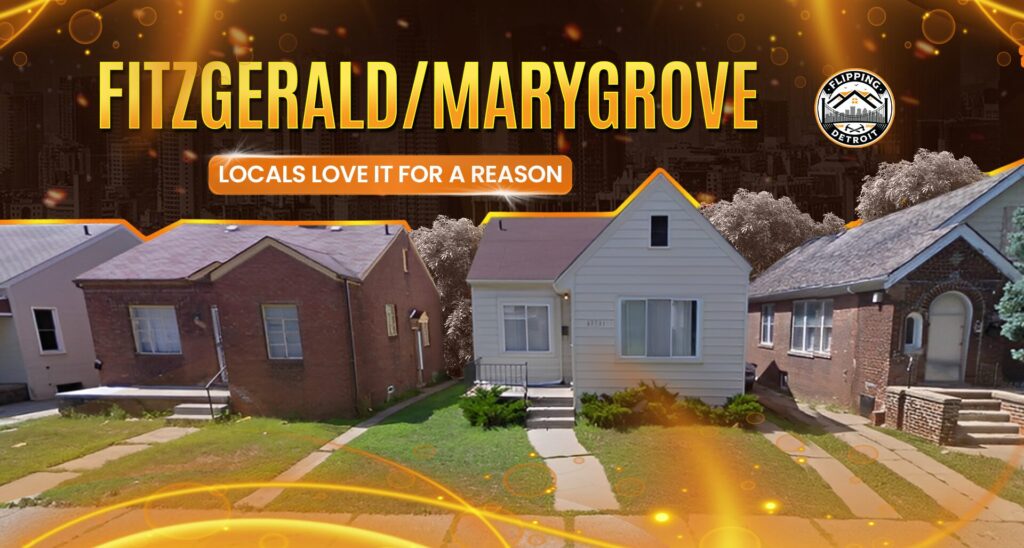
Fitzgerald: A Place of Rebirth and Community

Located smack dab between Bagley, University District, and Detroit’s iconic Livernois Avenue of Fashion, Fitzgerald is a historic living community spanning Wayne County’s 48221 and 48238 ZIP codes.

Backed by a reputation of being one of Detroit’s most active neighborhoods as far as urban revitalization goes, Fitzgerald is a place defined by its stately 1920s through 1950s homes, most of which are charming brick bungalows, colonials, and duplexes with their original fireplaces, arched entryways, and hardwood flooring.

Bit by bit, what was once a scattering of blighted, vacant homes on overgrown lots is steadily transforming into a model of growth and hopeful renewal that is going a long way in attracting new homeowners, young professionals, families looking to put down roots, and returning Detroiters.

Cruise the blocks near McNichols (Six Mile) or Livernois (the Avenue of Fashion) and you’ll see it for yourself: newly renovated homes right beside those waiting for a second lease on life, lush community gardens on what were once vacant plots of land, and construction crews working around the clock to restore neighborhood pride.

The Fitzgerald Revitalization Project

One of the Fitzgerald neighborhoods most defining features is the Fitzgerald Revitalization Project, a program that is busy transforming abandoned lots into valuable community assets. 

A few of the most recognizable rehabs include:

  • The Origami House, an eclectic, one-of-a-kind community hub re-envisioned by some of Detroit’s best local architects 
  • Ella Fitzgerald Park, a gorgeous neighborhood green space with playgrounds, picnic areas, and trails 
  • Endless urban gardens and farms helping increase food access while decreasing blight

This isn’t just redevelopment…it’s residents stepping up to shape the future of their community with their own two hands.

Culture, Education, and Everyday Life

Fitzgerald’s close proximity to major educational landmarks such as the University of Detroit Mercy and the Marygrove Conservancy inject the area with academia, a heavy arts presence, sports, and even youth mentorship programs.

As for recreation like cafĂ©s, dessert spots, boutiques, and mom-and-pop shops, head on over to Livernois/the Avenue of Fashion, which is also home to the legendary jazz music lounge, Baker’s Lounge.

Final Word

Fitzgerald isn’t a neighborhood defined by its challenges. 

Instead, residents have taken the reins and are rewriting the neighborhood’s narrative themselves – proving Detroit’s comeback is being led by everyday people with a stake in its bright future.

The atmosphere here is one of hope and possibility: change coming to pass through collective cooperation, creative vision, and the raw determination to build a better future for the next generation to come.

Expect to find endless churches, schools, and block clubs acting as vital community pillars, anchoring Fitzgerald’s social signature with youth programs, neighborhood cleanups, movie nights in the park, and outreach initiatives.

Should you visit, start by heading over to Ella Fitzgerald Park. 

Watch families enjoying the outdoors together, children climbing play structures while neighbors chat across benches, then take a stroll through the streets by foot and take in the lush community gardens, rehab crews busy transforming blighted properties, and the promise of what’s still to come.

Fitzgerald is Detroit in motion: far from finished, far from perfect, yet still absolutely full of life and hope.

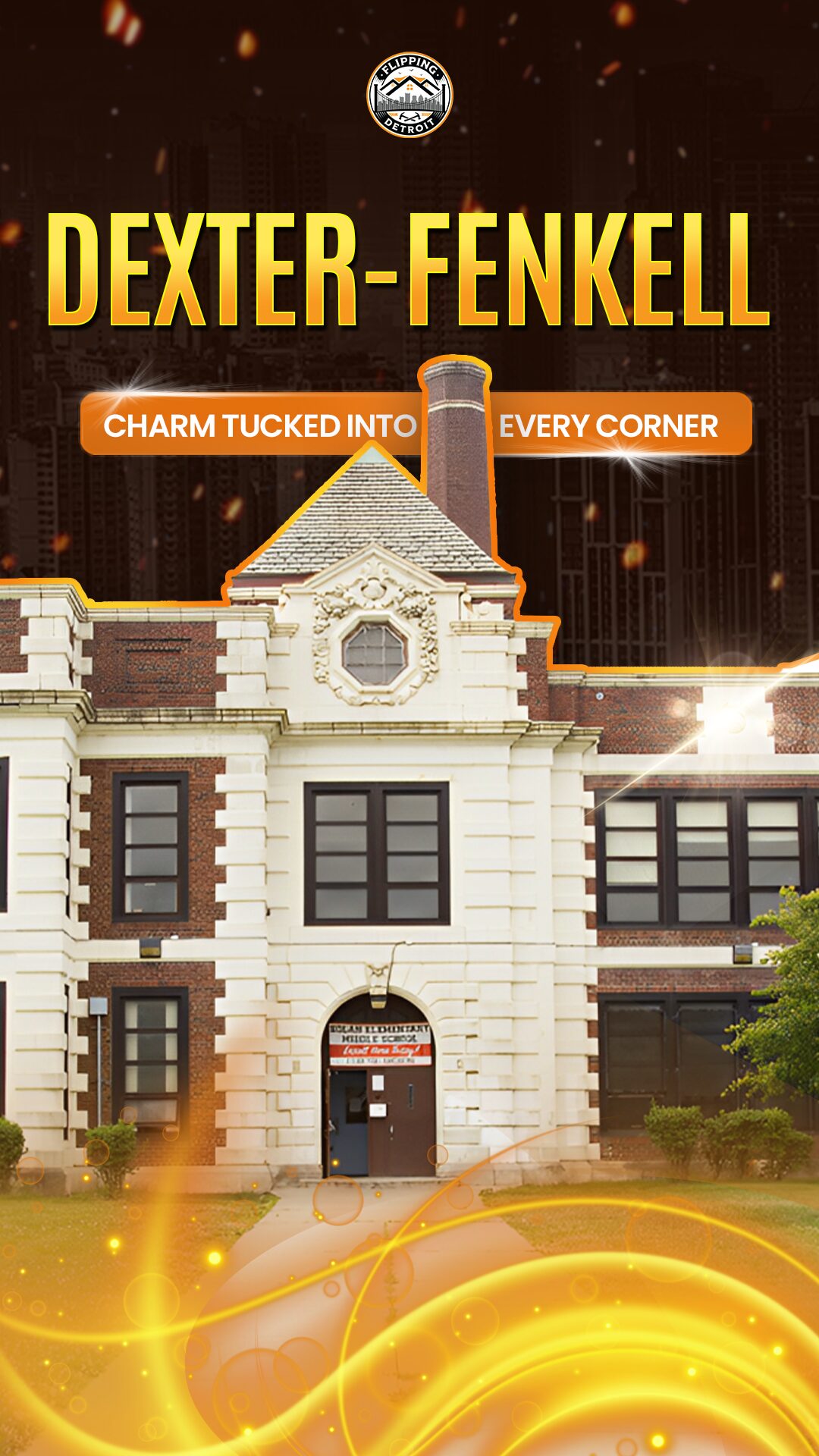
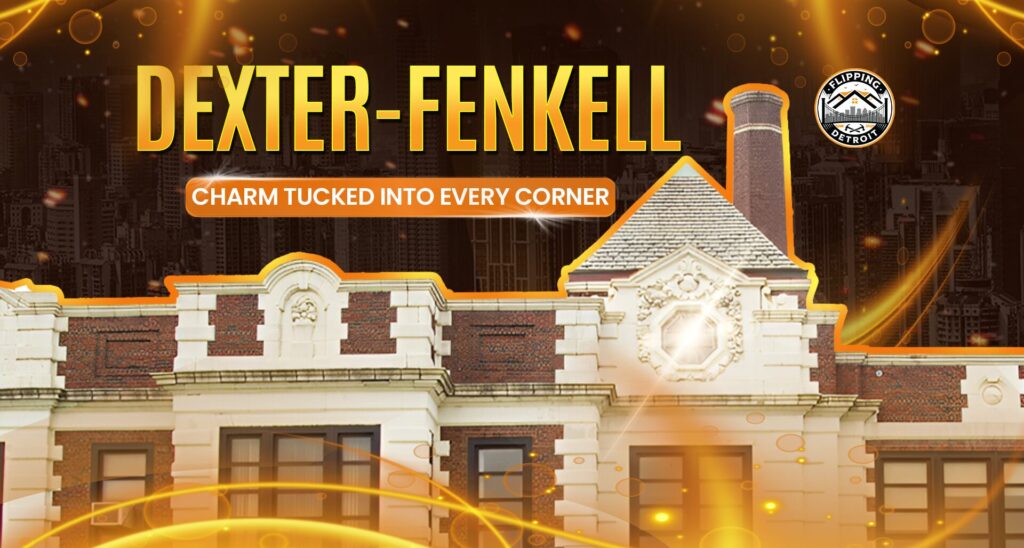
Dexter–Fenkell: Where Hustle, Commerce, and Heart Intersect in Detroit’s 48238 ZIP Code

Just a short walk from one of Detroit’s most active commercial corridors is Dexter-Fenkell’s residential area, a neighborhood defined by sturdy colonials, brick bungalows, and duplexes from the 1920s through to the 1950s.

Situated right at the intersection of two main roads—Dexter Avenue and Fenkell Street—Dexter-Fenkell is a community backed by numerous locally owned businesses, lively barber shops, delicious carryout spots, and multi-generational storefronts that have anchored the area for decades.

It’s the kind of neighborhood where people know each other by name and homes carry the kind of old-school craftsmanship that Detroit is best known for: arched entryways, cozy front porches, original hardwood flooring.

Dexter-Fenkell’s Historic Roots

The Dexter–Fenkell neighborhood has played a big part in shaping Detroit’s cultural identity, in large part thanks to its heavy concentration of auto-industry families, active church community, and the recent rise in west-side entrepreneurship.

You’ll find many older residents in the area who still recall what life used to be like along Dexter Avenue on the weekends, a time when businesses were thriving, auto factories were still producing smoke, and neighbors gathered outside coffee shops, coney island spots, and record shops.

That said, like many Detroit neighborhoods with strong commercial corridors, Dexter–Fenkell has faced moments of struggle, with blight, vacancies, aging infrastructure, and lack of funding some of the main challenges it has encountered.

That said, the story here isn’t one of decline—it’s about resilience and renewal, challenges and comebacks.

Expect to find local entrepreneurs opening up new businesses, long-term homeowners renovating distressed properties, and community groups organizing beautification projects and safer streets. 

Progress may be slow, but it’s happening – house by house, block by block.

Sunday mornings see neighbors walking to service together, while weekdays involve youth mentorship programs, outreach work, and impromptu gatherings that go a long way in keeping residents active and connected. 

If something happens on these blocks, expect the people who live here to care enough to check into it.

Everyday Convenience in Close Proximity

There is no shortage of Detroit staples along Dexter Avenue. Here you’ll find:

  •  Small grocers and corner stores
  •  Barber shops, beauty stores, and nail salons full of conversation and community gossip
  • Carryout spots serving up piping hot BBQ, soul food, fried fish, corned beef, wings, and burgers
  • Mechanics, oil change shops, and tire stores ready to get you back on the road

With quick access to districts like Highland Park, New Center, and Midtown takes to nearby freeways and main—putting Dexter–Fenkell residents right within reach of plenty of great local and citywide amenities.

Local Tip

Take a drive down Dexter Avenue on a sunny Saturday afternoon and you’ll quickly pick up on the area’s vibe: Motown and R&B floating from cars, the smell of fried fish from carryout shops, children playing ball, and residents chatting on front lawns while gardening.

It may not be Detroit’s most polished neighborhood, but that doesn’t make it any less of a draw.

It’s a community heavy on pride – one shaped by its history and deep roots held together by the loyal residents who never abandoned it when the going got tough. 

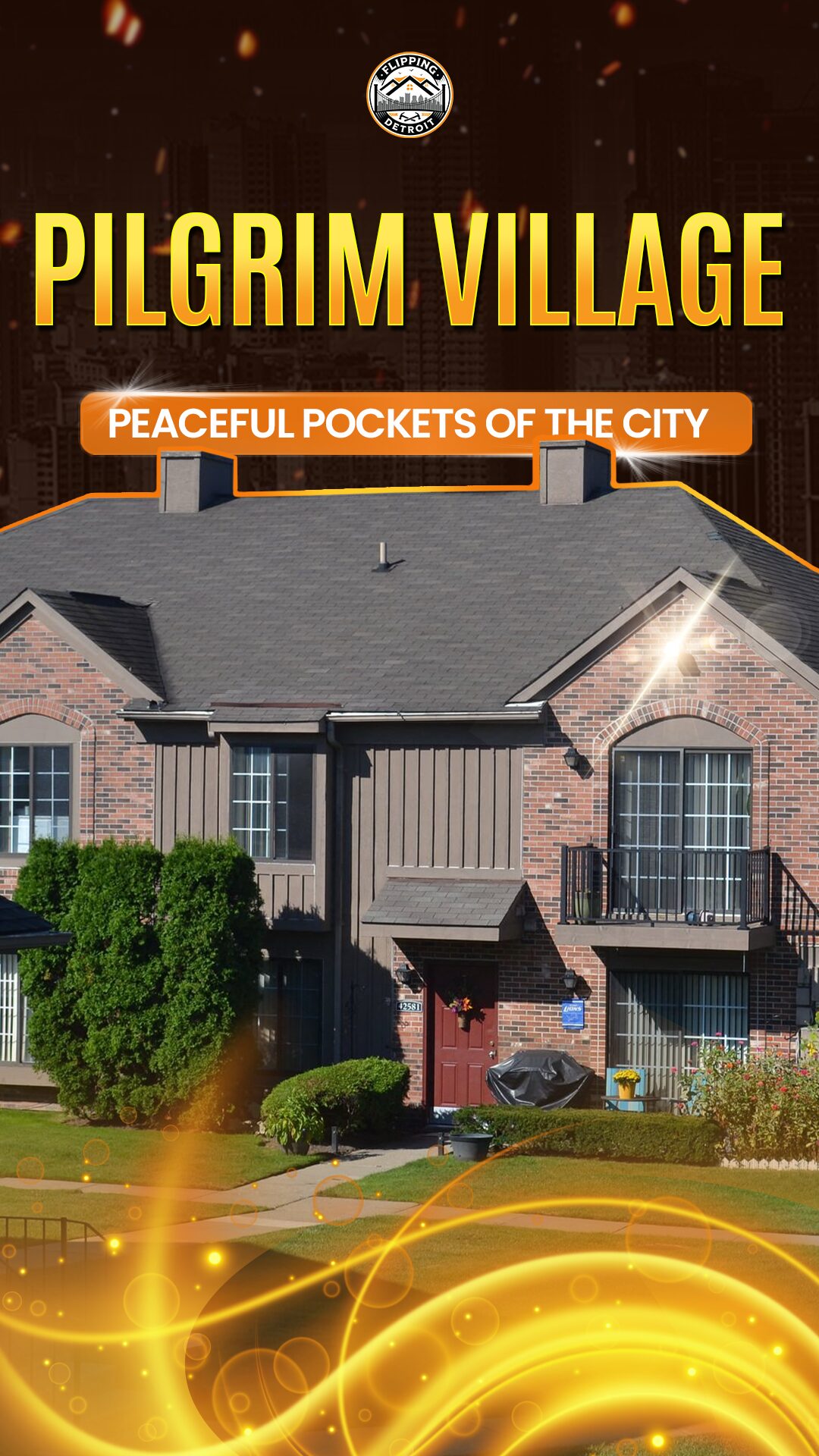
Pilgrim Village: A Warm West Side Detroit Neighborhood with Plenty of Soul

Located on Detroit’s west side in Wayne County’s 48238 ZIP code, between Livernois (the iconic “Avenue of Fashion”) and the Lodge, Pilgrim Village is a quiet neighborhood defined by its peaceful streetscape and easy access to the city’s main corridors. 

Drive down blocks like San Juan, Appoline, and Mendota, and you’ll get a feel for Pilgrim Village’s neighborly energy: mature tree-lined roads, residents catching up on cozy front porches, and a charming streetscape full of sturdy bungalows, colonials, and two-flat homes built from the 1920s through to the 1950s.

As far as architectural detailing, expect to find everything from original hardwood flooring to coved ceilings and decorative masonry.

It’s a neighborhood rich with possibility, and while some homes are in the process of being rehabilitated, many others still need TLC – a testament to Detroit’s mix of legacy and renewal.

Recreation and Community 

Pilgrim Village is a neighborhood that runs on old-school values and familiarity. 

Here, you’ll find residents who know each other by name, elders watching over the youth and regaling them with tales of the good old days, and block clubs organizing monthly cleanups, school supply and food drives, and even holiday dĂ©cor contests. 

Churches also play a major role in the neighborhood’s reputation, offering not just places of worship, but everything from tutoring to youth sports, choir, and weekend pop-up shops that bring heavy foot traffic to the area.

As far as food, recreation, and everyday convenience, Pilgrim Village is west-side comfort at its finest, with endless carryout shops offering Detroit favorites like soul food, BBQ, fried fish, and corned-beef sandwiches.

The neighborhood is also dotted with endless beauty salons, corner stores, smaller markets, barber shops, and repair shops that make every day errands easy to accomplish. 

For outdoor recreation, look no further than the many smaller pocket-sized playgrounds and school parks throughout Pilgrim Village, which have everything from sports courts to trails and shaded picnic areas.

Commuters also appreciate quick access to main lines like the Lodge and Davison, making runs to landmarks like the Fisher Building, the Avenue of Fashion, New Center, Midtown, and Downtown a breeze.

Past Struggles and Future Forecast

Like most of Detroit, Pilgrim Village has faced periods of struggle, with vacancies, aging infrastructure, and lack of city funding being some of the most common issues residents have had to weather by taking the reins themselves to keep the block steady.

Today, it’s common to see rehab crews in the Pilgrim Village area breathing new life into blighted properties, as well as neighbor-led projects like community gardens and monthly street cleanups. 

Cruise down Pilgrim or Prairie on a sunny afternoon, and you’ll see it yourself… lively porch talk drifting down city blocks, children playing catch in front yards, and neighbors chatting across fence lines.

Pilgrim Village isn’t a showpiece – it’s a lived-in, well-looked-after community where Detroit’s unique spirit shows up in everyday ways: steady, warm, and proud.

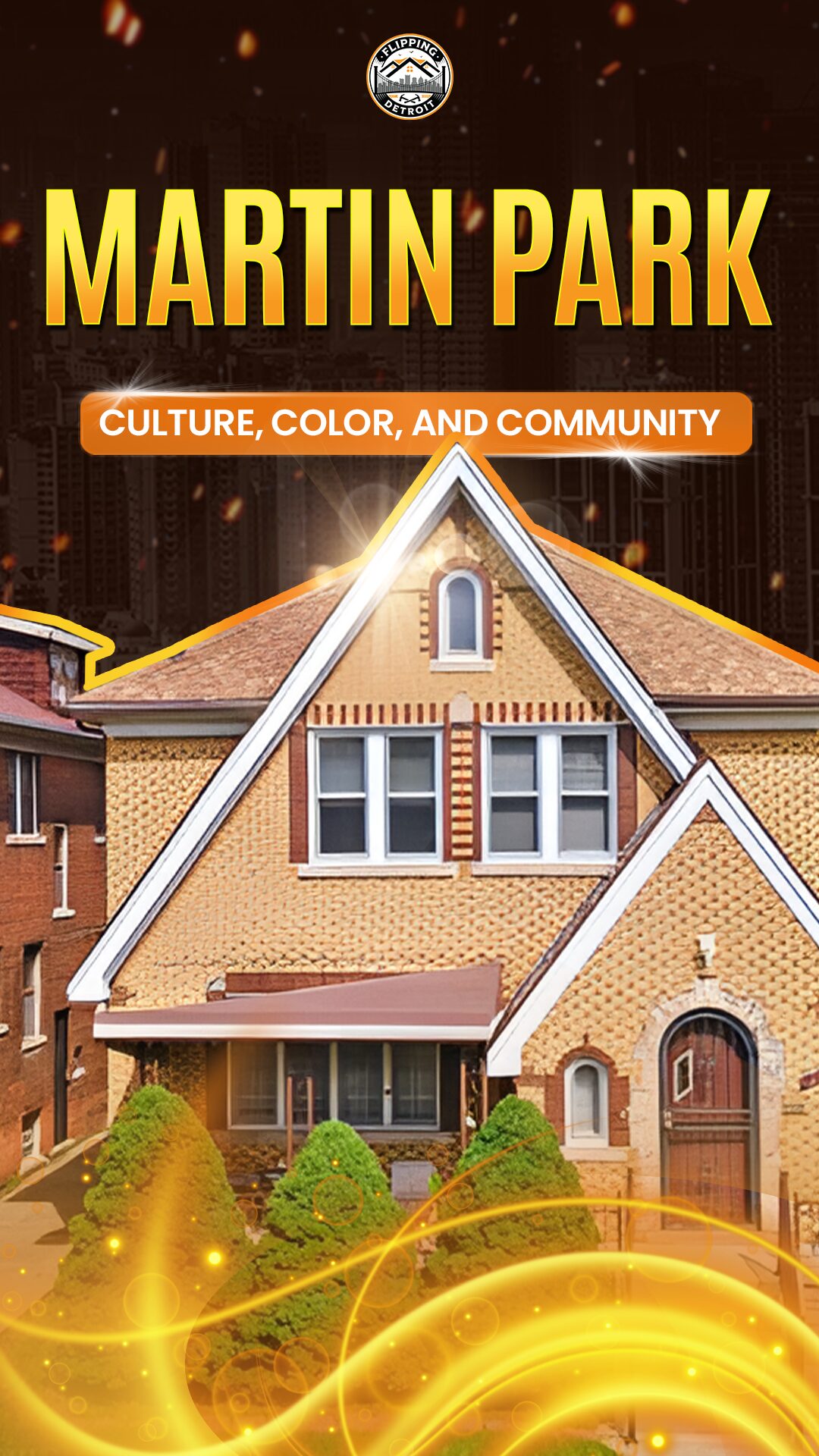
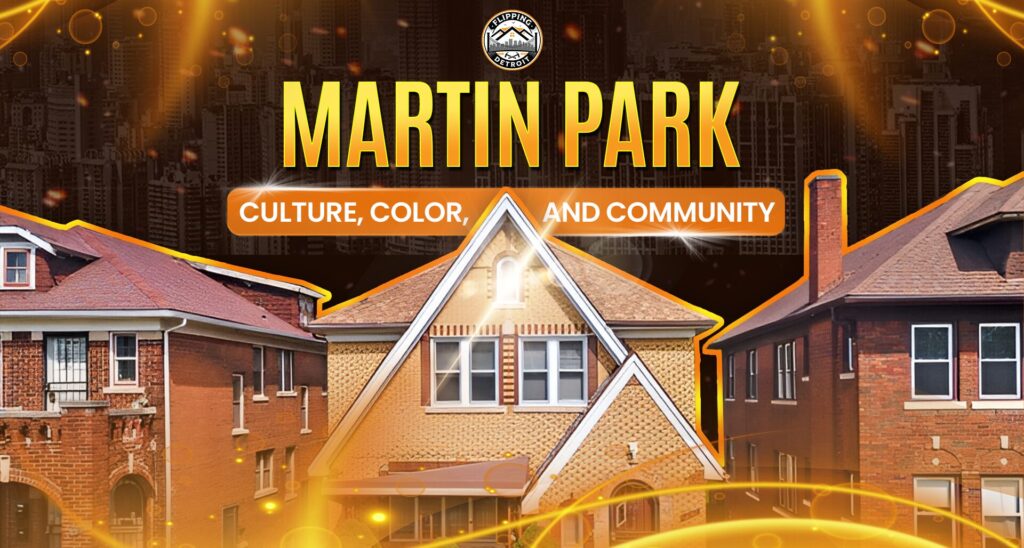
Martin Park: History, Heart, and Hidden Potential in Detroit’s 48203 and 48221 ZIP Codes

Located just a short drive from some of the city of Detroit’s most major cultural and educational landmarks (University of Detroit Mercy and Marygrove Conservancy), Martin Park is a charming residential pocket that is home to everyone from longtime homeowners to renters and new families looking to put down solid roots somewhere relaxed, grounded, and continuously evolving.

Being right within reach of UD Mercy, Martin Park is also known for its constant stream of students and faculty, and while the nearby historic Marygrove campus is no longer an active college, it has since reimagined itself as an epicenter for arts, higher education, and community programs. 

It’s the kind of place where there’s always some kind of lecture, concert, or youth mentorship activity unfolding, helping bolster Martin Park’s reputation as a place of engagement, sensible entertainment, and opportunity.

Historical Information

Martin Park first came into being during Detroit’s mid-century expansion, offering affordable, sturdy ranches, brick colonials, and duplexes to the city’s quickly expanding middle class.

Today, many of those homes are still standing, easily identified by their old-world charm detailing, such as arched doorways, limestone accents, decorative masonry, and large front porches—the kind of architecture that tells a story. 

Residents here take great pride in where they live, with many claiming they stuck around through Martin Park’s many highs and lows because of the neighborhood’s culture and strong sense of belonging.

As for newcomers, they find out pretty quickly upon moving into the Martin Park area that their neighbors are both protective of their blocks and eager to share in the community’s ongoing progress.

While many blocks shine thanks to well-manicured front lawns and homes that have been given a new layer of fresh paint, a few others reflect Detroit’s fleeting struggles with economic strain.

In that way, the Martin Park neighborhood straddles the thin line between Detroit’s rocky past and its promising comeback season – steady progress punctuated by occasional challenges – earning it a 5.4 middling neighborhood grade from various review sites that weigh factors like housing quality, amenities, and overall safety. 

That isn’t a great score by any means, but Martin Park locals see it as motivation more than a verdict, especially thanks to the presence of neighborhood upliftment efforts such as block clubs, community beautification projects, and new investors flocking to the area rehabbing vacant homes.

Location, Recreation, and Future Forecast 

One of Martin Park’s biggest perks is its prime location, putting residents just a short drive from beloved recreation districts like the Avenue of Fashion along Livernois or Palmer Park just south, a gorgeous green space with everything from walking trails to tennis courts and playgrounds.

With all of this in mind, it’s easy to see why so many first-time home buyers are flocking to Martin Park in search of affordable homeownership in a desirable location.

Cruise down main roads near the Marygrove campus (McNichols, Cherrylawn, and Fairfield) and you’ll be able to get a feel for the neighborhood’s energy yourself: students chatting as they walk to class, neighbors raking leaves on spacious lawns, children riding bikes. 

In short:

Martin Park has good bones, and most importantly, momentum.

It’s a neighborhood still writing its next chapter, one grounded in the belief that the best version of itself is already in the process of being born, one transformed home and new neighbor at a time.

Grixdale Farms: A Peaceful Northeast Detroit Neighborhood Putting its Best Foot Forward

The name “Grixdale Farms” evokes the 48203 ZIP code’s early roots as a place of wide-open agricultural land long before it was developed into a booming automotive hub.

Located just west of I-75 and north of Davison, Grixdale Farms is a neighborhood laid out in a grid that is well-insulated from the traffic of major corridors, affording it a secluded feel despite its prime location.

With mature tree-lined blocks, sturdy homes, and devoted residents who have weathered the storm of Detroit’s toughtest eras, the Grixdale Farms neighborhood continues to evolve while still holding on tight to the strong community values that first shaped it. 

Homes here date back to the 1920s through to the 1950s, with Tudors, colonials, cottages, and bungalows being some of the most commonly seen, all of which bring to mind the sturdy craftsmanship Detroit was so known for in its industrial heyday. 

Expect to find homes with original details like large bay windows, hardwood floors, fireplaces, and spacious front porches, many of which are in the process of being rehabilitated as revitalization slowly spreads across the northeast side.

A Prime Location for Everyday Conveniences

One of the biggest perks to living in Grixdale Farms is its convenient location close to major landmarks and chain stores like Aldi, Meijer, The State Fair Transit Center, Meijer, and Woodward Avenue for quick trips to Detroit’s iconic Avenue of Fashion, Palmer Park, and endless Northwest-side restaurants, churches, and community hubs. 

Drive through the area and you’ll find neighbors tending to gardens, shoveling each other’s walkways in the winter, and children playing in front yards while parents chat across driveways.

A community defined by its endurance even in the face of Detroit’s economic downturns, block clubs also play a prominent role in Grixdale Farms’ overall reputation, providing everything from monthly cleanups to beautification and safety initiatives that are helping residents gradually rebuild rather than retreat.

There’s a strong sense of resourcefulness here: residents turning abandoned lots into community gardens, entrepreneurs opening small businesses along nearby thoroughfares, and families choosing to stay in the city and help write its next chapter.

Final Thoughts

Roll slowly down Schoenherr or Charleston on a warm evening. You’ll see porch lights flick on, music from open car windows, and the easy rhythm of a neighborhood that works hard to maintain its footing.

Grixdale Farms isn’t a showpiece – it’s a comeback story in motion. Rooted in history, supported by community, and growing into its future one block at a time.

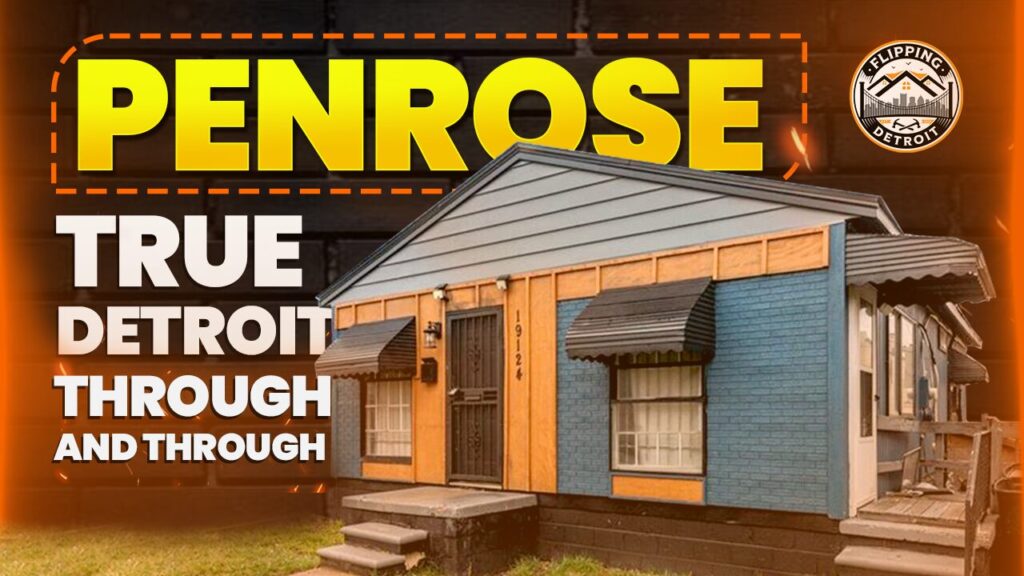
Penrose: A Place of Legacy, Connection, and Continuity

Penrose is a northeast-side Detroit neighborhood that is often overlooked, yet for the people who call it home, it’s a place defined by resilience, familiarity, and a classic, old-school sense of belonging. 

Located just south of State Fair near Woodward in the city’s 48203 ZIP code, Penrose is just a short drive from major Detroit corridors and landmarks while still maintaining a calm, relaxed residential feel.

Most of the homes here were built in the mid-20th century during Detroit’s automotive rise and subsequent population boom, with bungalows, colonials, and ranch-style homes some of the most commonly seen.

You’ll also find plenty of the charming architectural detailing Detroit is best known for: think original hardwood flooring, huge front porches, and spacious backyards perfect for summer cookouts. 

It’s the kind of place where many of the homes in the area have been passed down through the same families for generations, neighbors still greet each other by name, and children are always seen playing in yards under the watchful eyes of elders who may not be related to them by blood yet regard them as family anyway.

Recreation and Culture in Penrose

One of the biggest perks to living in Penrose is its convenient location.

Woodward Avenue is just a short drive away for quick access to shops, restaurants, and bus lines, and Palmer Park is an area favorite for lively weekend picnics, bike riding, or simply relaxing beneath mature maples. 

There are also several highly rated schools and churches in the area that go a long way in anchoring Penrose’s reputation as a place of worship and community, with the streets full of sharply dressed people every Sunday morning conversing on sidewalks as they head in for service.

Final Thoughts

Though Penrose has experienced the same hurdles faced by many Detroit neighborhoods (I.E, vacancies, blight, older homes requiring updates), it’s the kind of Detroit neighborhood where even the smallest milestones are celebrated – from births to graduations – and where support is always readily available when life delivers challenges.

The nearby State Fair Transit Center also adds easy mobility for commuters, students, and new families and professionals bringing in fresh new energy to the block.

Take a quick drive down Penrose Street on a sunny afternoon and you’ll be able to get a good feel for what day-to-day life is like here yourself: you’ll likely spot residents tending to their lawns, children playing basketball, and neighbors catching up over fence lines. 

In short, Penrose isn’t looking to reinvent itself.

Instead, it hopes only to preserve the raw essence of what it already is: peaceful, hospitable, and determined to continue preserving.

State Fair: Detroit’s Century Old Fairgrounds Neighborhood

Detroit’s State Fair neighborhood is named after one of the city’s most famous landmarks: the Michigan State Fairgrounds – once a bustling hub of rides, concerts, livestock, exhibits, and endless memories for families all across the state of Michigan.

Although the fair shuttered its doors in 2009, the grounds remain a defining symbol of identity, with many Detroit locals still fondly reminiscing about the fairgrounds’ iconic butter sculptures, delicious food, and livestock barns.

Located along Woodward Avenue within Wayne County’s 48203 ZIP code, just south of the iconic 8 Mile, the area surrounding State Fair is a neighborhood built on legacy and endurance that continues to evolve even though the fairgrounds it gets its namesake from is long gone, blending its historic roots with the promise of new development.

It’s an ongoing transformative period that is seeing the fairgrounds site become an entirely new recreation district with retail, housing, dining, and easy transit access thanks to the recently built State Fair Transit Center and its many regional routes, a core piece of Detroit’s future mobility plans.

Architecture and Housing

Drive down State Fair streets like Charleston, Charleston Court, and Winthrop, and you’ll find everything from sturdy brick colonials and Cape Cods to single-family homes right beside low-rise apartments, most of which were built during the city’s population boom in the 1940s and 1950s. 

And while there are definitely plenty of homes in the area in dire need of TLC, others are recently rehabbed with fully restored front porches, lush garden beds, and active block clubs and community groups that perfectly demonstrate residents’ long-term commitment to the State Fair area.

A Place of Recreation, Culture, and Convenience

State Fair is a northwest Detroit neighborhood full of families, retirees, and young residents moving in with the hope of putting down deep roots near churches and community organizations that offer everything from outreach to back-to-school drives and social connection through lively neighborhood events.

With Woodward just a short drive away for citywide and suburban conveniences like grocery stores, small restaurants, auto shops, coffee stands, and carryout spots, the neighborhood is central to anything residents need to fulfill their day-to-day needs.

As for outdoor recreation, nearby Palmer Park has endless trails, playgrounds, sports fields, and green relaxation spots just a few blocks away.

In short, State Fair is Detroit at its finest: honest, resilient even in down periods, and strengthened by the people who stick around through it all.

While radical change continues to unfold around the former fairgrounds site, residents take great pride in the neighborhood’s role in the city’s comeback story.

Take a cruise down Woodward near State Fair Avenue, and you’ll see all the signs of a neighborhood in transition: iconic memories on one side, new construction on the other. 

State Fair isn’t just a point on a map – it’s a place where the past still echoes, and where a new chapter is already in the process of being built.

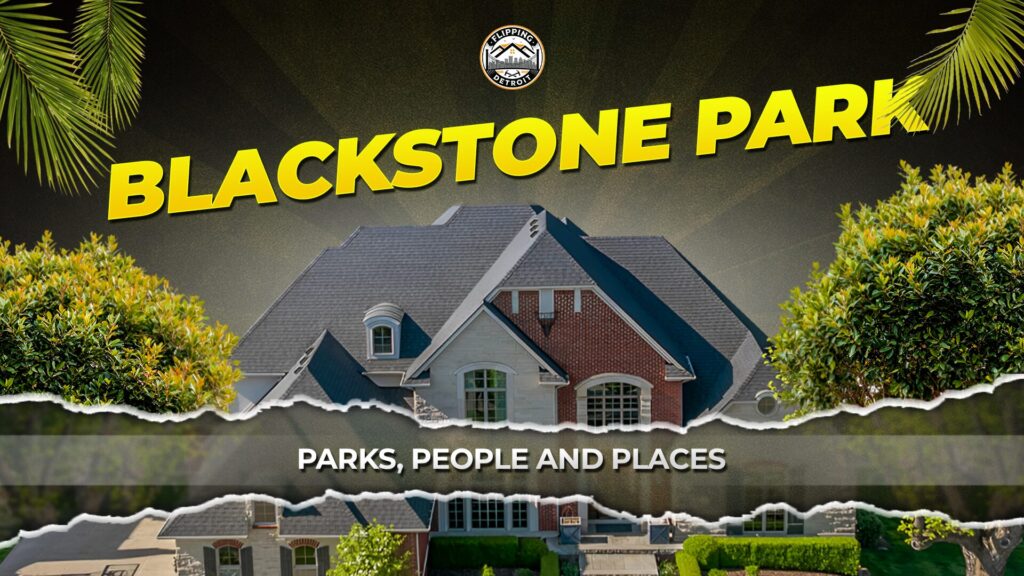
Blackstone Park: A Quiet and Charming Corner of Northwest Detroit

Blackstone Park is a 48235 ZIP code neighborhood situated between Livernois, Schaefer, Seven Mile, and McNichols, located in the midst of many of Detroit’s very best indoor and outdoor recreation options that still somehow feels as if it exists in a world all of its own. 

The neighborhood took shape during Detroit’s postwar development period and is defined by its authentic small-town energy.

Drive through the area on a laid-back Saturday afternoon, and you’ll see it for yourself: neighbors conversing on sidewalks or tidy front porches, children playing, and clean, mature tree-lined streets that make nighttime walks feel breezy and slow.

It brings to mind a time when Detroit’s auto plants were thriving, and the city’s northwest side was the place to go if you were looking to put down long-term roots.

As far as architecture is concerned, expect to find everything from Cape Cods to colonials and bungalows, many of which were built between 1940 – 1950 and feature classic mid-century Detroit design features, such as huge bay windows, well-preserved hardwood floors, limestone accents, and sturdy arched doorways.

It’s also common to find residents who have lived in those same properties for generations, lovingly maintaining them and passing them down to their children and grandchildren to do the same.

A Place of Authenticity, Culture, and Soul

What really sets Blackstone Park apart from other neighborhoods in the area is its easygoing, genuine energy and culture.

Expect to find the elderly educating the youth on the way things were in their day, children helping their parents maintain properties, and an overall sense of trust, even as new homeowners and families settle into the area in the face of Blackstone’s ongoing revival.

There are also several active block clubs and community organizations in the area that place a strong emphasis on safety and structural improvements, which is evident in signs of community care, such as trimmed hedges, clean streets, and neighbors shoveling snow-covered driveways and sidewalks in the cold winter months.

Recreation Close to Home

While the Blackstone Park neighborhood itself is mostly residential, convenience is right within reach thanks to beloved main streets like Livernois (Detroit’s iconic “Avenue of Fashion”) and Seven Mile, which provide everything from quick eats, chain stores, grocers, mom-and-pop shops, and endless local businesses.

As for outdoor recreation, Blackstone Park residents are just a few minutes’ drive from Palmer Park, one of Detroit’s most active parks, which offers playgrounds, trails, and sports courts. 

Final Word

Blackstone Park may not be one of Detroit’s most buzzed-about neighborhoods, but that doesn’t take away from its charm. 

Life moves slower here, and residents prefer it that way.

It’s a comfortable community defined by its predictability, not limited by it.

Quite the contrary, residents find a certain degree of peace in seeing the same neighbors tend their gardens or hang up Christmas decorations year after year.

Take a slow drive down main roads like Blackstone Street, and watch how neighbors pause whatever they’re doing to chat across property lines.

It may not be a neighborhood at the top of any Detroit tourists “must visit” list, yet what makes Blackstone Park so special is that it’s a true reflection of Detroit’s resilient spirit: steady, welcoming, and always ready to grow right alongside the people who call it home.

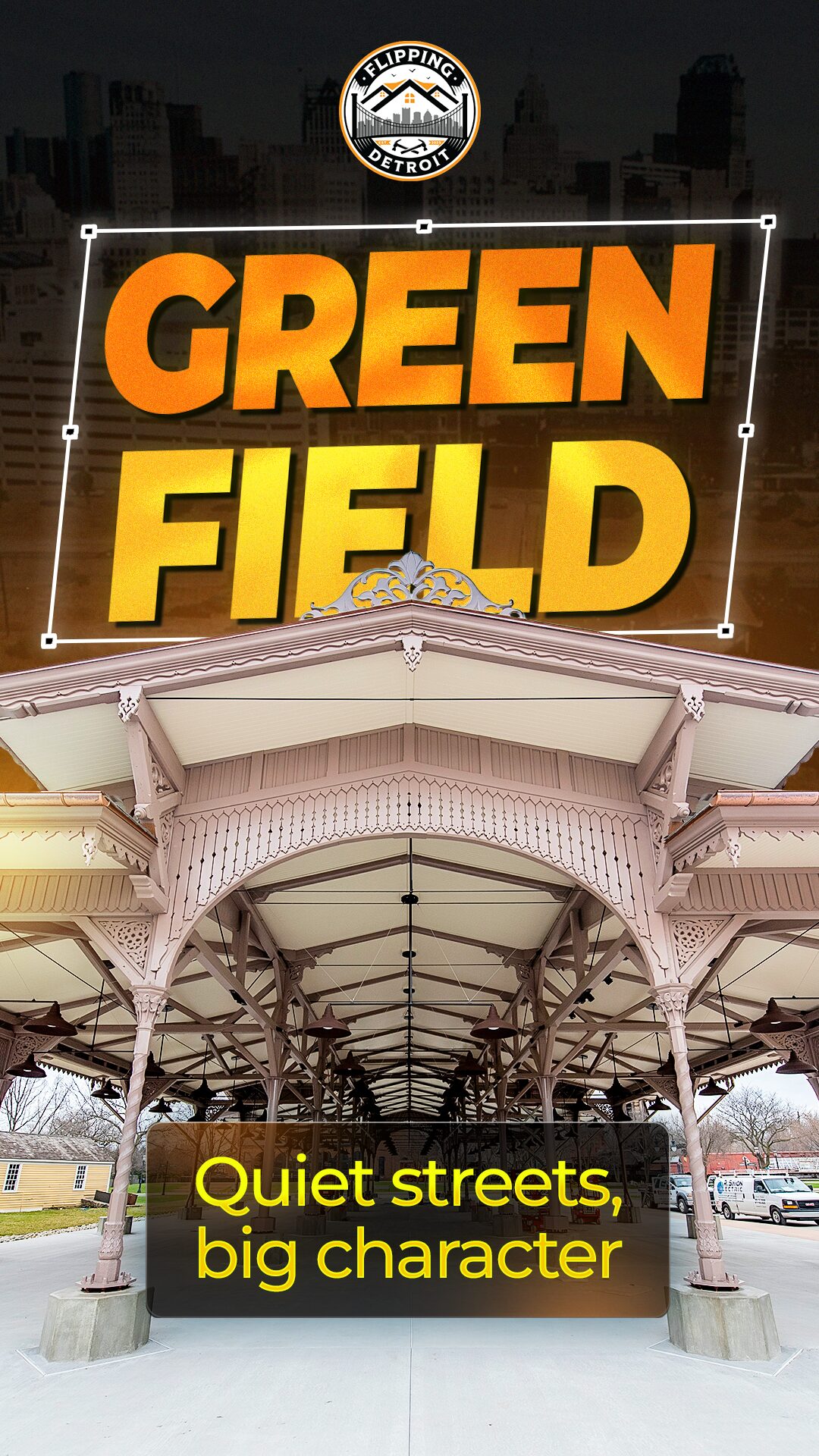
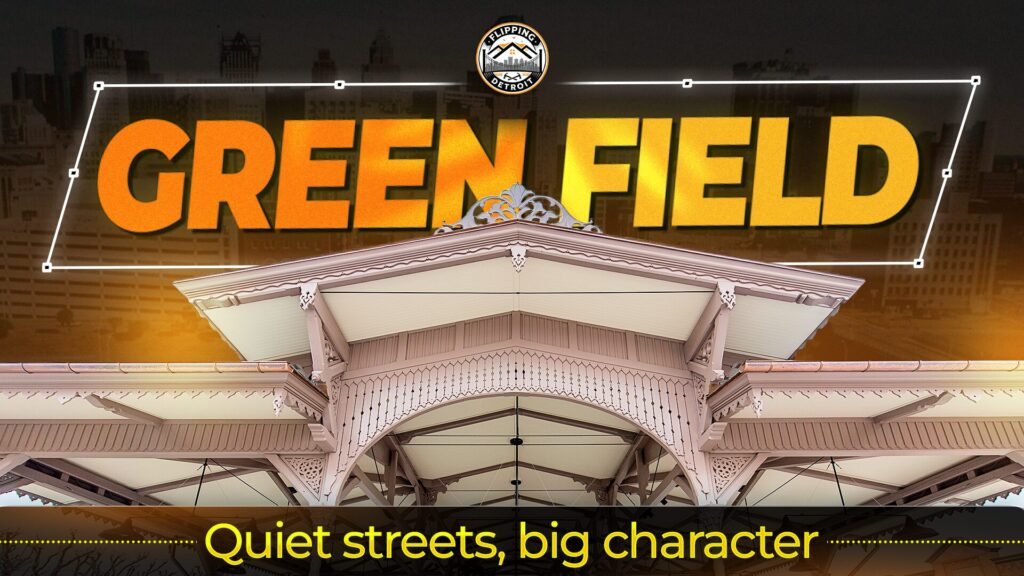
Greenfield: Everyday Detroit at its Finest

Located along Greenfield Road, Six Mile (McNichols), and Eight Mile, Greenfield isn’t the kind of 48235 ZIP code neighborhood that aims to impress. 

Unlike other District 2 neighborhoods such as Detroit Golf Club or Sherwood Forest, you won’t find upscale mansions or museum-worthy architecture here.

What it offers instead is something far more authentically Detroit: real people who take great pride in the place they call home – generations of working-class families who have kept Greenfield’s blocks alive with grit, laughter, and warm meals, even in Detroit’s toughest seasons.

Neighborhood Spirit and Culture

Greenfield Road is the Greenfield neighborhood’s spine, a stretch lined with barber shops, mom-and-pop shops, corner stores, and small grocers with loyal regulars and employees who know customers by name.

There’s a real sense of community here: children waiting for the bus to school every morning, mechanics tinkering under hoods, women popping in for a freshen-up at the salon, and neighbors chatting on sidewalks.

Leave the neighborhood’s main stretch, and the pace slows to a crawl, with brick bungalows, Cape Cods, and sturdy ranches from the post-WWII boom being some of the most commonly seen homes in Greenfield’s residential area. 

A Neighborhood That Centers its People

If there’s any one word that perfectly sums up Greenfield’s vibe, it would be loyal

It’s the kind of place where generations of the same family live within just a few blocks of each other, where you’ll find elders regaling the youth with tales of “the good old days” as they sit on their front porches right alongside newcomers who are just starting to put down roots.

It’s also a community that places a heavy focus on faith and worship, with churches of every denomination providing everything from food pantries to youth mentorship.

Sunday mornings feel like a national holiday here, with well-dressed residents and their children crowding sidewalks catching up after service.

As for dining and recreation, look no further than inexpensive, family-owned carryout spots offering delicious, inexpensive Detroit favorites like wings, soul food, corned beef, catfish, and the kind of mac and cheese only Detroit’s elders can make right.

These aren’t the kind of spots you’ll find in a neighborhood travel guide. You end up there because someone you know cares enough to take you.

A Neighborhood That Keeps Going When the Going Gets Tough

Like with many Detroit living communities, it hasn’t all been smooth sailing for Greenfield.

The community has seen its fair share of struggle, with vacant homes, lack of city funding, and resident flight leaving their mark.

That said, Greenfield is just as defined by its loyal residents and their endurance – people who have done everything from starting block clubs to organizing monthly clean-ups in order to improve the area’s curbside appeal.

In short, it’s the kind of place where the solutions come from the people who actually live here – not outsiders.

Before you go…

To really get a feel for what Greenfield is all about, take a slow drive through the area at dusk with your windows down.

You’ll be sure to hear Motown and old-school R&B floating from cars and the sound of children riding bikes or playing basketball, dogs barking, and neighbors chatting.

Greenfield isn’t Detroit’s most aesthetic community, yet that doesn’t make it any less worthy.

It’s real. 

Familiar.

Loved.

And above all else…still moving forward, one friendly neighborhood gathering at a time.