Fusing horror, psychedelia, street pain, and shock value, Esham carved out an entirely new subgenre decades before the world would play catch up:
Acid Rap.
Find Your Agent Profile

Thank you for your subscription and registration. You'll be redirected shortly. Please check your email for your login details.
Best known for her catalog of work fusing classical technique with genres like soul, swing, and funk, Regina Carter is a woman who has entirely redefined what the violin can do.
Classically trained yet Detroit-raised, she came up on the city’s west side in a household where music was always heard.
Her mother was an expert pianist, her two brothers spun Motown records on an endless loop, and amidst all this, Regina paved her own path with the violin.
She studied the Suzuki method at the age of four, was enrolled in private music lessons, and eventually found her way to Cass Tech High School, Detroit’s legendary art school known for churning out greats by the dozens.
After graduating, she then studied music at the New England Conservatory, followed by Oakland University, all while occasionally returning to Detroit to reconnect with its culture and refuel.
It marked the beginning of what would go on to become a very influential career.
Best known as a multi-talented singer/songwriter with a knack for writing epics that are deeply personal and blur the line between folk, classical, and experimental pop, Sufjan Stevens is as purely Detroit as any artist can get – raised in a culture of music, fluent in trauma, grief, and beauty, and always willing to break boundaries.
Although his family moved from Detroit to a location further north when he was just a child, the city left its mark on him in the same way, its industrial melancholy, musical DNA, and quiet strength having a huge impact on his career.
In short: Detroit wasn’t just his birthplace.
It was the place that would influence the very texture of his sound.
The duality of violence and sensitivity, destruction and rebirth, pain and creativity, that’s all Detroit.
Sufjan took all of that and transmuted it.
He didn’t need to name-drop the city to give it credit.
He simply poured all it had taught him into his lyrics.
Loved for her cutthroat humor, working-class roots, and barrier-breaking as one of the few Black women to rise to the top in both STEM and stand-up, Loni Love is a woman who stands in a league of her own.
That said, to truly understand Loni, you have to start with her Detroit upbringing—not just because that’s the place where she was born, but because that’s where she was molded into the icon she is today.
Born and raised in the infamous Brewster-Douglass Housing Projects, Loni learned young that in order to get far in life she’d have to be fast, resourceful, and loud enough to get her point across.
Her punchlines might get her gigs in Hollywood, but the hustle behind them is as quintessentially “Pure Michigan” as you can get.
Growing up wasn’t easy for Loni.
Brought up on Detroit’s east side by a single mother who was forced to work multiple jobs to keep the lights on, while other kids dreamed of fame and fortune, Loni manifested stability—and a way out.
Like many Detroit legends, she attended the infamous Cass Technical High School, but unlike many of her classmates, she did not chase the stage…at least, not right away anyway.
Instead, Loni chose engineering, a solid path she knew would go a long way in supporting her and her family.

An artist best known for his razor-sharp wordplay, emotional transparency, and unflinching loyalty to the city that made him, Royce da 5’9” is a true master of the craft—a rapper’s rapper who has always valued bars over buzz.
A product of Detroit’s west side, Royce grew up just a short drive from 6 and 7 Mile, a stretch known for doling out trauma and talent in equal measure.
A smart book, street-aware, and battle-ready youth, Royce was filling notebooks with lyrics long before the labels ever called him with deal offers.
His nickname came from his height: he stands on the shorter end of the spectrum at just five-foot-nine, but that doesn’t make him any less of a force to be reckoned with.
Much like his size, Royce’s rap style is concise, compact, and fully loaded. He’s a man who studied all of the greats without ever going as far as ripping them off, and it didn’t take long for the world to notice.
A vocal powerhouse known for her radical self-love anthems and genre-breaking sound, Lizzo (birth name Melissa Jefferson) is an artist who skillfully blends Houston bounce, Minneapolis funk, and her early Detroit roots with a classical backing.
A product of Detroit’s west side, Lizzo began her career in a city renowned for producing musical greats, a place where church and rhythm were equally valued.
Her family relocated to Houston when she was nine years old, but it was in Detroit where she first developed her eclectic taste, developing an early love of gospel, soul, and Motown that would eventually become an integral part of her sound, live performances, and overall musical DNA.
Gone or not, Detroit never fully left her.
Sandra Feva is a woman best known for lending her powerhouse voice to Motown legends, but that doesn’t mean she doesn’t have a rich catalog of her own.
A child of Los Angeles, Sandra was raised in Detroit from her early years, and it would be there that her voice would begin to take shape, with her honing her range in church choirs, talent shows, and neighborhood gigs.
Detroit isn’t the kind of place that hands out compliments easy, but Sandra wasn’t the type to chase after the easy route.
She recorded her first tracks under the pseudonym “Sandra Richardson” in the late 60s and early 70s, quickly gaining a reputation as the woman with a voice you could feel straight down into your bones.
She recorded her first tracks under the pseudonym “Sandra Richardson” in the late 1960s and early 1970s, quickly gaining a reputation as the woman with a voice that you could feel straight down to your bones.
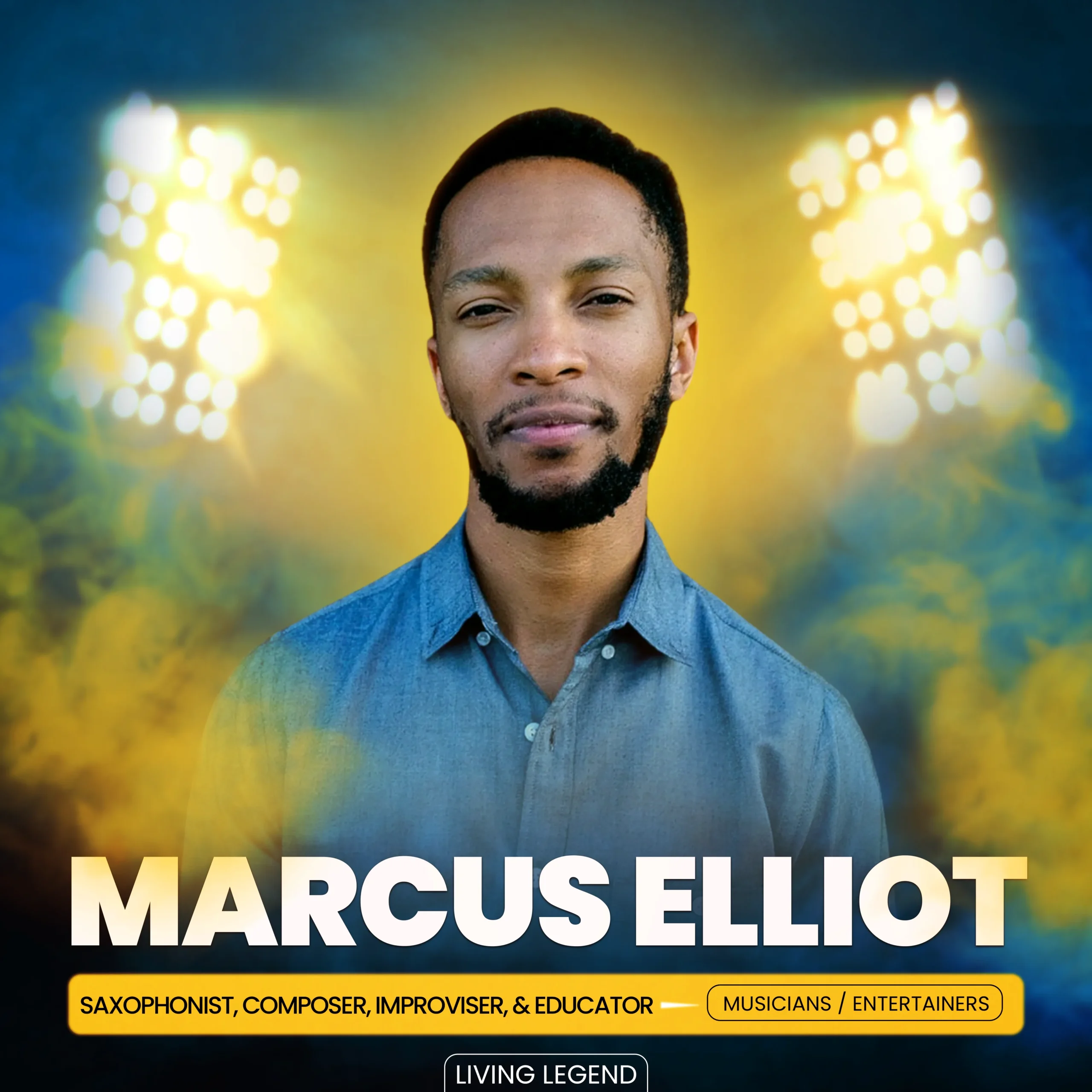
A master of improvisation known for his meditative tone and deep connection to Detroit’s living jazz lineage, Marcus Elliot is part of the city’s next generation of jazz, one that bridges tradition and experimentation with equal reverence.
He may not have grown up in Detroit, yet once he arrived, the city never relinquished its grip on him.
Born and raised in Lansing, it was there that he first discovered his love of the saxophone.
He studied music both formally and spiritually, soaking in the greats like Trane, Bird, Shorter, and blending that influence to create his own distinct sound – one that gave equal reverence to silence and space.
He arrived in Detroit at an early stage in his adulthood and immediately immersed himself in the city’s iconic jazz culture, listening to the greats, taking notes on the ethics, and playing so often that the music became part of his bloodstream.
Insane Clown Posse are many things:
Loved, hated, ridiculed, revered—yet never ignored.
They’re not a group that ever asked anyone for permission to exist.
They simply show up: faces painted, clownish attire, cursing, howling, and spraying Faygo into the sky like holy water.
And, like any jester, you either laugh and roll your eyes, scrunch up your nose, clutch your pearls, and look away, or follow them into the carnival.
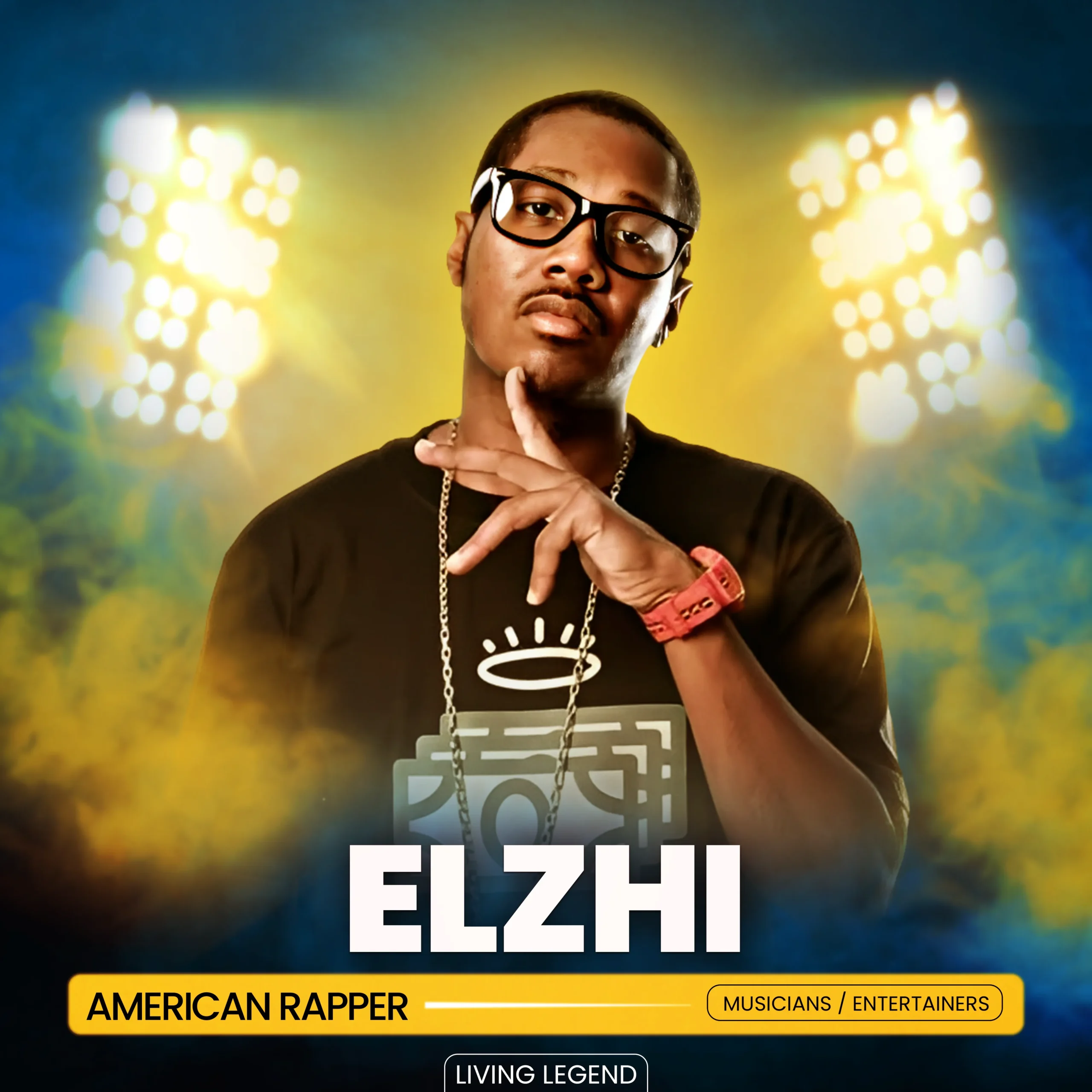
One of the most lyrically gifted rappers to ever emerge from the 313, Elzhi is a name that garners the utmost respect whenever spoken.
In a city that is not known for handing out praise loosely, Elzhi has gotten his fair share of it for being the kind of man who has never chased after trends or craved the spotlight.
Quite the contrary, he has always treated his craft like the calling that it is, putting his heart into every bar, every verse, every breath.
In an industry where the loudest voice in the room is often the one that is most heard, Elzhi has made a name for himself quietly, allowing his pen and smooth delivery to speak for him.
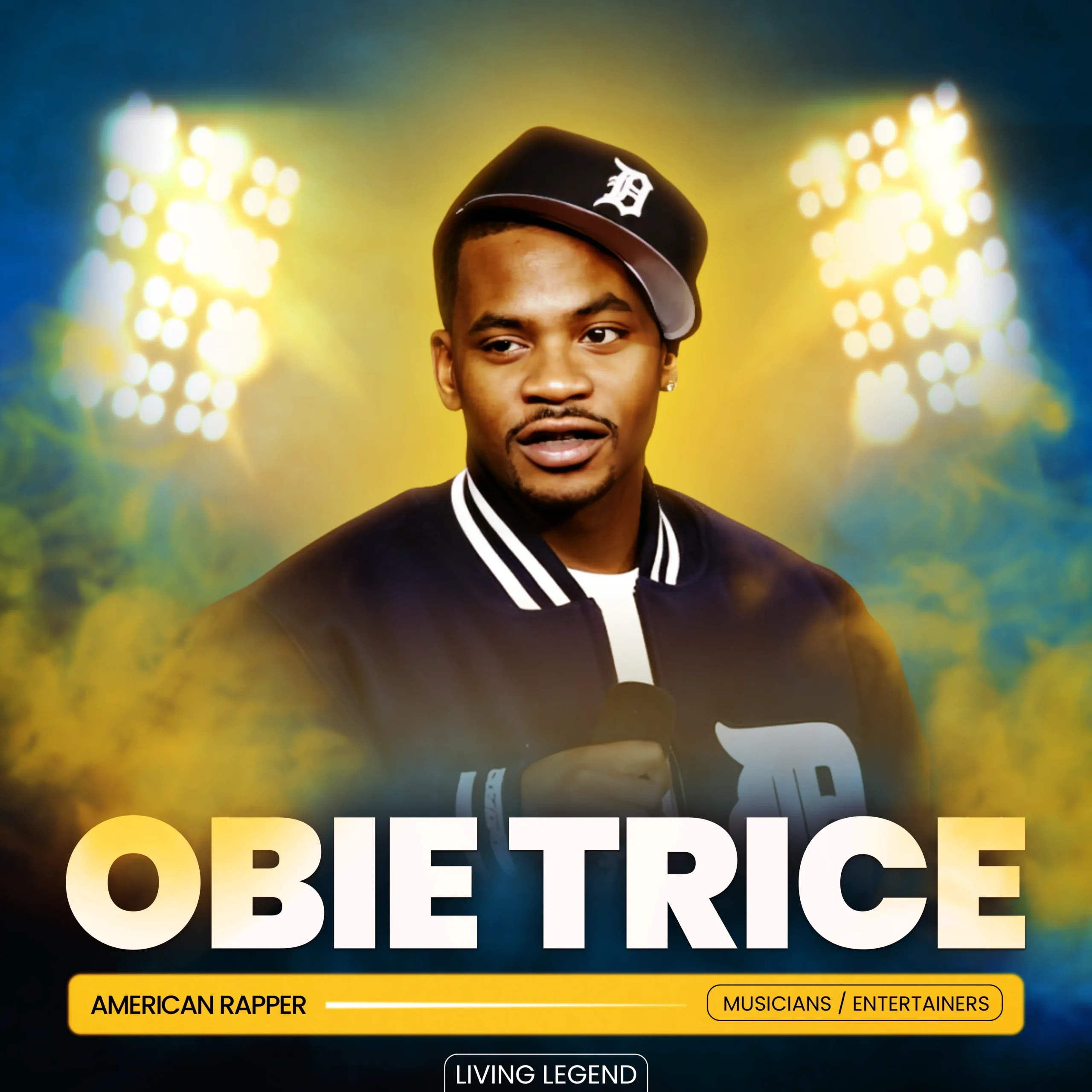
One of the few to bridge the 313’s underground rap scene with global superstardom, Obie Trice is a rapper best known for his wit, razor-sharp delivery, and the line that has become synonymous with his career:
“Real name, no gimmicks.”
Obie may not have invented Detroit rap, but he gave it its aesthetic. Before him, local artists who broke into the mainstream without radically changing their sound, image, and identity were far from the norm.
Obie changed that.
He stepped into the spotlight himself, boldly representing the west side of Detroit with his head held high and bars that lingered long after they were spoken.
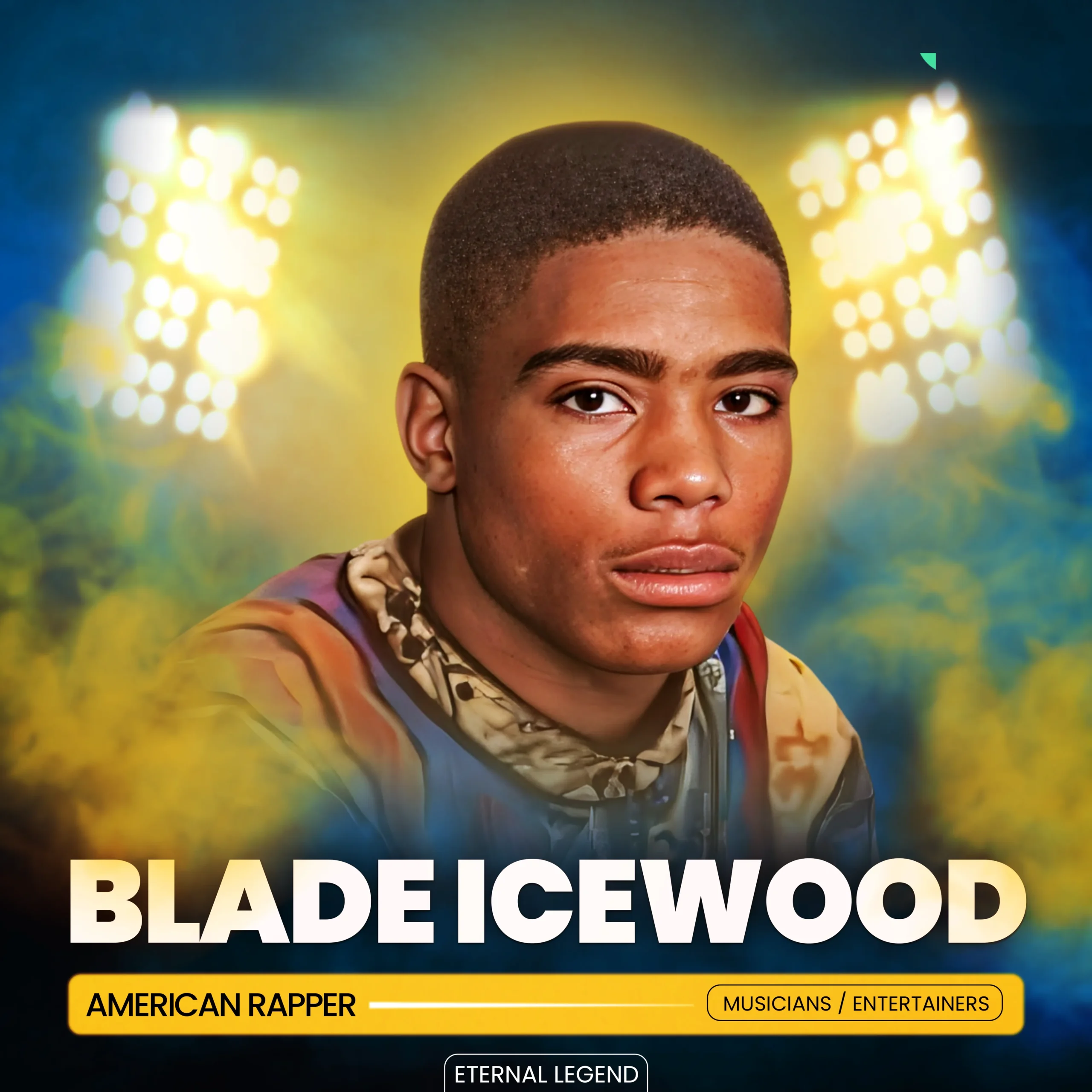
Long before Detroit had the reputation of being a rap capital, it had Blade Icewood (birth name Darnell Quincy Lindsay), a braided-up, iced-out legend in the making who found his start rapping about what survival looked like on the east and west sides of 7 Mile.
Blade may not have invented Detroit hip-hop, but he gave it its aesthetic, not to mention an enduring lyrical voice and hometown hero to believe in.
In that way, he was so much more than just a rapper – he was a movement.
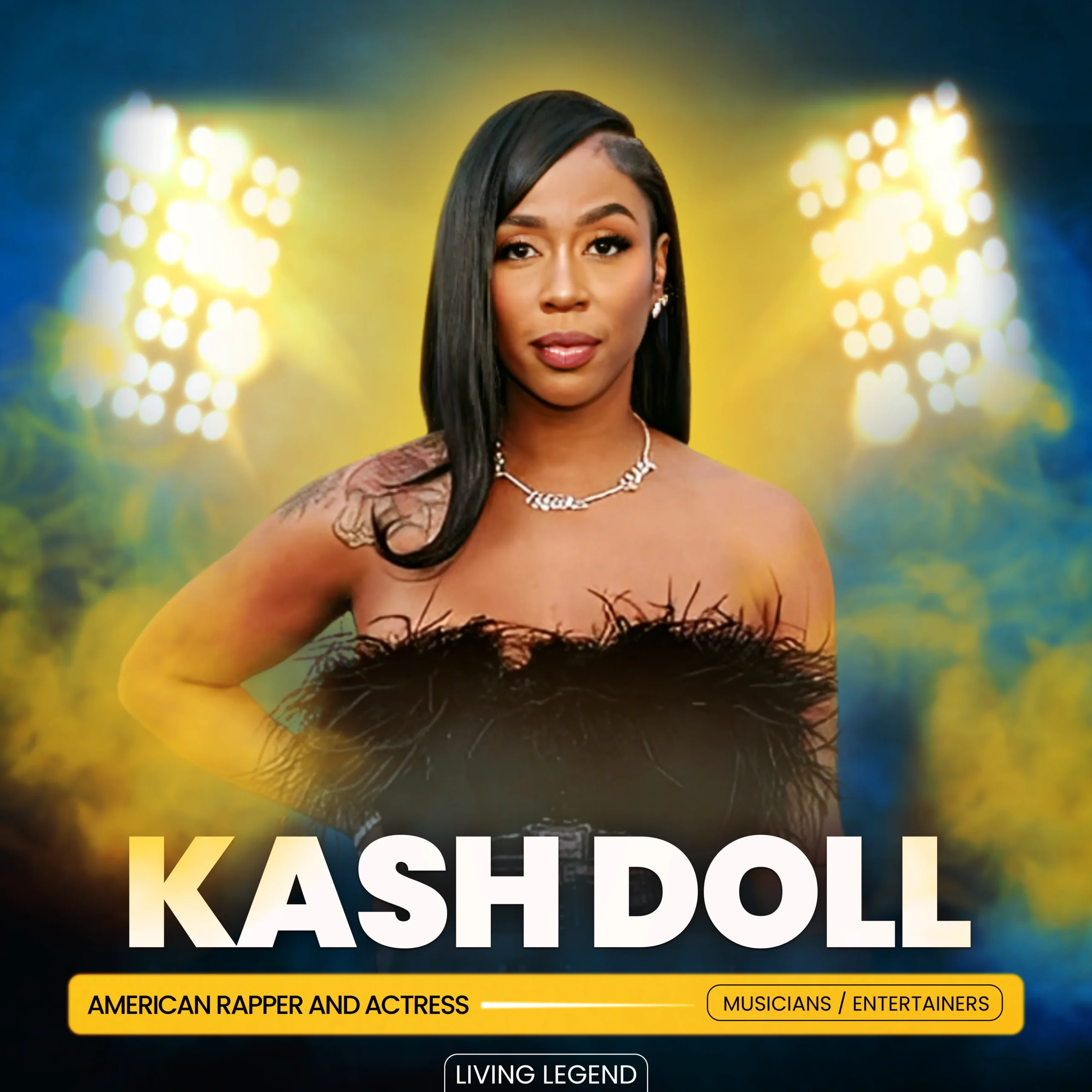
Kash Doll (birth name Arkeisha Antoinette Knight) never waited for someone to discover her. Instead, she built herself up with natural Detroit-born hustle and a trailblazing presence as one of the first women from the 313 to break through nationally in hip hop.
From working the stage at strip clubs and selling mixtapes out of her trunk to heading sold-out venues, her path was never easy, yet it was still distinctly her own.
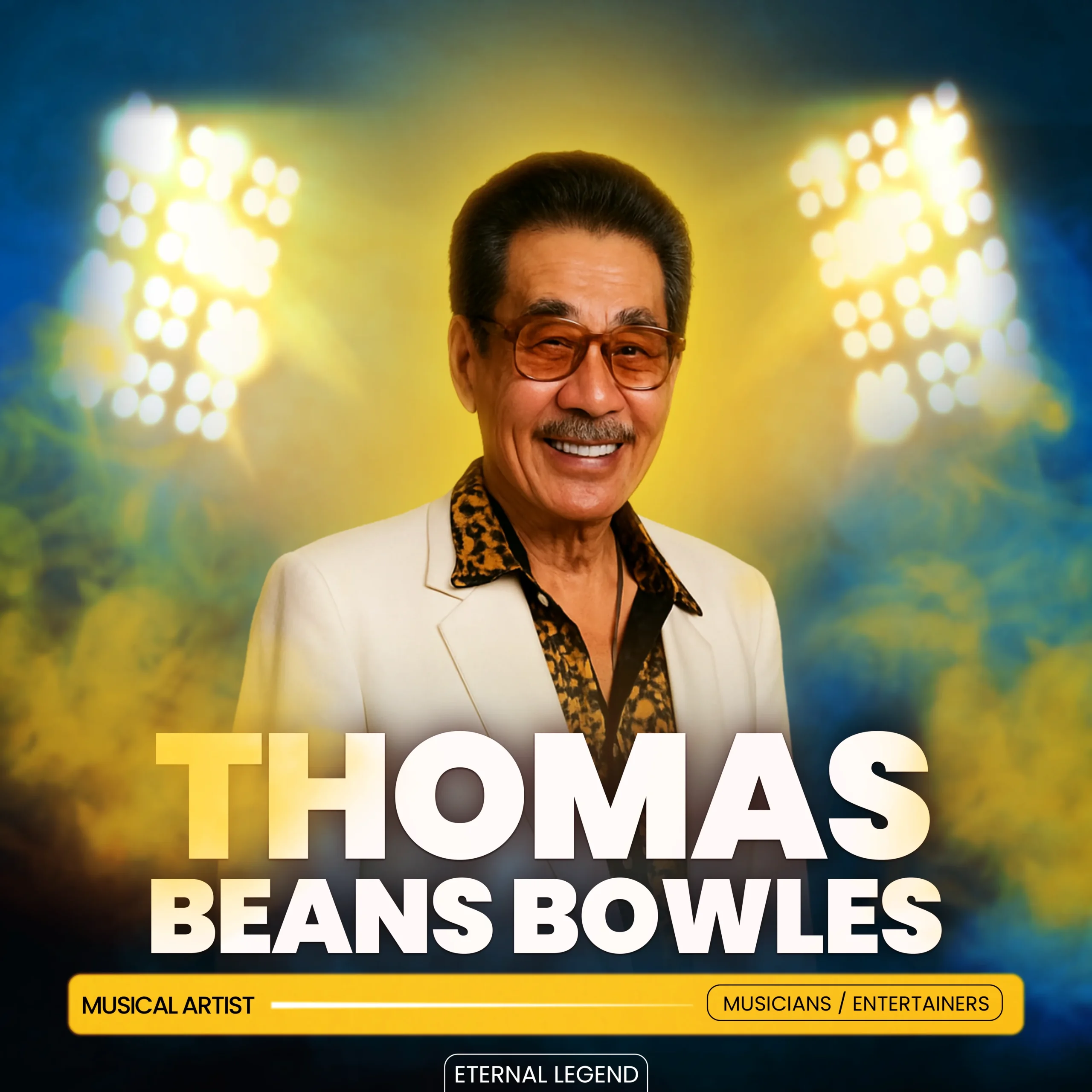
Thomas “Beans” Bowles was a core, yet often uncredited, architect of the early Motown sound and culture.
Not as well-known as Motown’s front-line stars, he shaped the solos that defined classics and provided mentorship that launched many performers’ careers, slowly rising from hole-in-the-wall jazz clubs all the way to Hitsville.
Bowles came to Detroit from Wayne State University in the 1940s, and from there, he enlisted in the U.S. Navy during WW II and joined the U.S. Navy band, later returning home and playing at the Flame Show Bar and the Blue Bird Inn with fellow greats Billie Holiday and Billy Eckstine.
These experiences gave him the technical skill, stage presence, and discipline that would be critical when Motown later emerged.