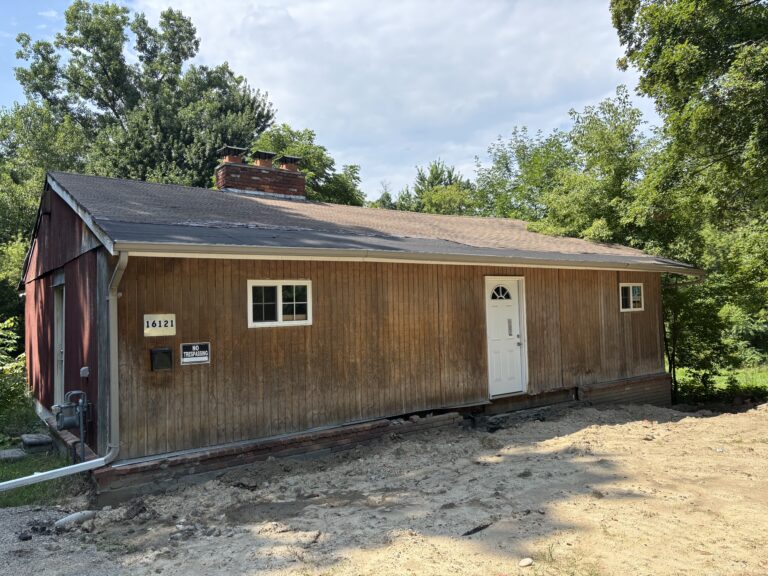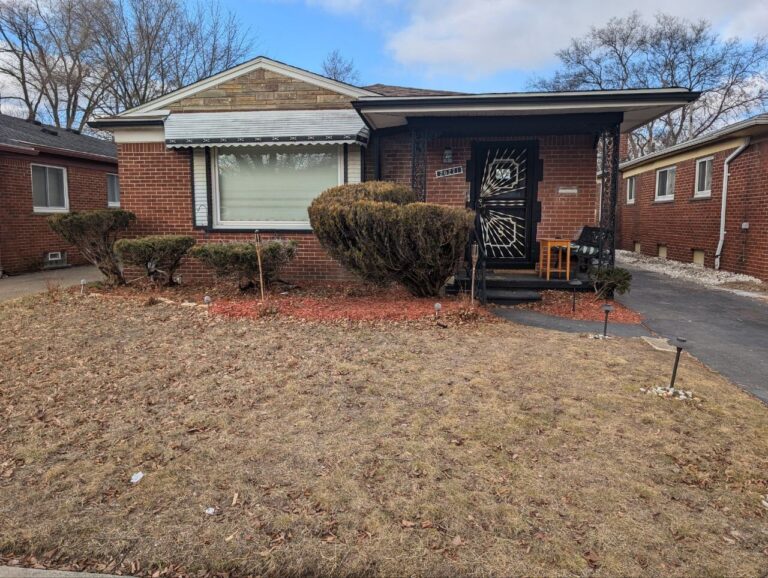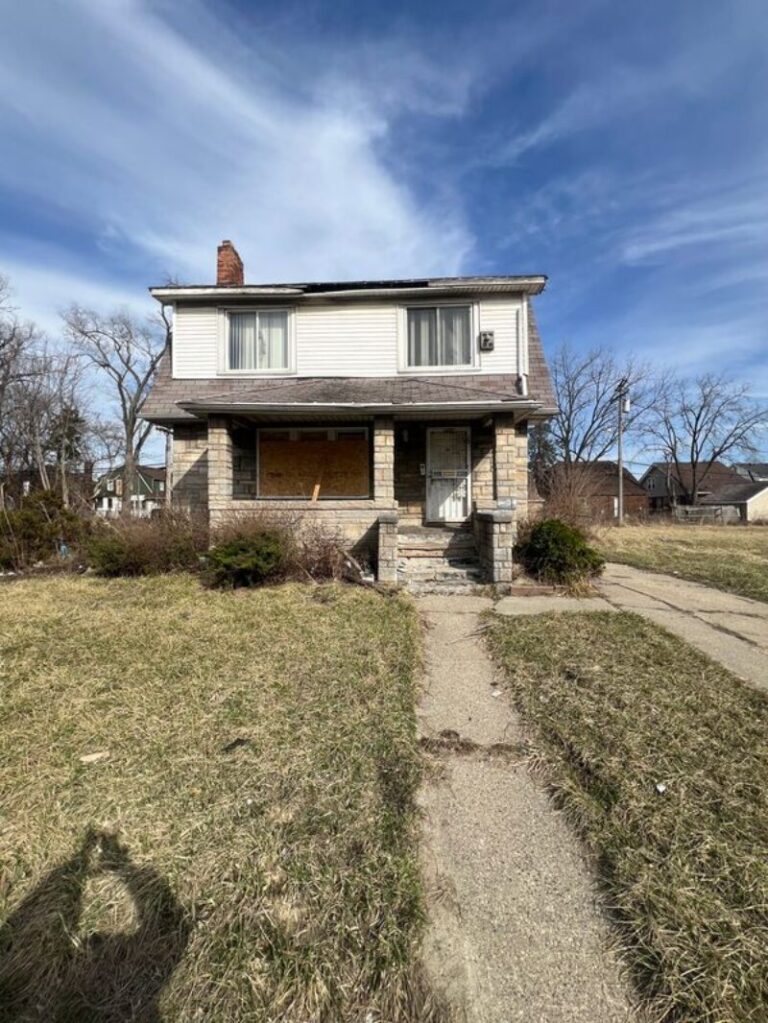

What Property Value Analysis Covers
Property Value Analysis is presented here as a assessment service within the Rebuild Detroit Wholesalers & Investor Services taxonomy. A clear Property Value Analysis request defines the result, the physical or transaction boundary, and the items that are not included. Use the requested result and scope boundaries to define what this part of Property Value Analysis should answer and what belongs in a different request. Separate observed details from owner-supplied information and facts that still need confirmation when checking the requested result and scope boundaries for this service, while retaining the supporting document with the decision. Ask the same questions about the requested result and scope boundaries for every service option so scope differences are not hidden by a headline or total price, while retaining the supporting document with the decision. Confirm filing office, contract authority, licensing source, lender or title requirements, and applicable deadlines whenever the Property Value Analysis answer about the requested result and scope boundaries depends on an official rule or controlling source. Do not allow a verbal assumption about the requested result and scope boundaries to override written service terms or a current public source, using the current source and date where either can change.
When to Consider Property Value Analysis
Consider Property Value Analysis when the desired result cannot be separated from documenting the existing condition and the limits of the review. Start with observable conditions and documents for Property Value Analysis instead of asking a provider to price an undefined problem. Write a plain-language description of the observed condition, transaction stage, or trigger for service before asking for prices, terms, programs, providers, or listings related to Property Value Analysis. Use current documents and direct observations for the service details involving the observed condition, transaction stage, or trigger for this service, especially when older information may no longer apply, while keeping written terms separate from assumptions. Place written answers about the observed condition, transaction stage, or trigger for this service side by side and check for different dates, units, boundaries, or definitions in the service comparison, with unresolved details left as written questions. Keep every Property Value Analysis claim about the observed condition, transaction stage, or trigger for service within the limits of the source that supports it. Include a contingency in the service plan for any part of the observed condition, transaction stage, or trigger for this service that cannot be confirmed under the original conditions, while keeping written terms separate from assumptions.
Preparing a Useful Scope
Preparation for Property Value Analysis should capture the property address, transaction stage, documents already available, deadlines, and the decision you need to make. The goal is to let each Property Value Analysis response address the same property, transaction, system, or work area. Use the starting information, access, measurements, and exclusions to define what this part of Property Value Analysis should answer and what belongs in a different request. Keep the correct address, entity, deadline, and available documents with the service information about the starting information, access, measurements, and exclusions, with the relevant address, entity, or occupation attached. For each service choice, identify who handles the starting information, access, measurements, and exclusions, what supports the answer, and what remains outside the written terms, so the supporting record can be checked before a decision. Store the source link and date with the starting information, access, measurements, and exclusions so future Property Value Analysis updates can replace one fact without disturbing unrelated information. Recheck the starting information, access, measurements, and exclusions when an address, role, design, schedule, condition, or source date changes during service, while keeping written terms separate from assumptions.
Local Authority, Records, and Safety
The address and exact Property Value Analysis scope determine which public office, credential, filing, permit, inspection, or safety requirement may apply. Confirm the current authority for Property Value Analysis rather than assuming one Metro Detroit rule applies everywhere. Make the responsible authority, required records, and safety obligations the first part of the Property Value Analysis conversation and separate required results from preferences. Separate observed details from owner-supplied information and facts that still need confirmation when checking the responsible authority, required records, and safety obligations for this service, with unresolved details left as written questions. Request written clarification whenever a service response leaves the treatment of the responsible authority, required records, and safety obligations unclear, while retaining the supporting document with the decision. If official sources disagree about the responsible authority, required records, and safety obligations, obtain clarification from the responsible authority before continuing the related Property Value Analysis step. Recheck the responsible authority, required records, and safety obligations when an address, role, design, schedule, condition, or source date changes during service, so the supporting record can be checked before a decision.
Comparing Written Proposals
Compare Property Value Analysis proposals line by line across scope, responsible professional, written deliverables, response times, exclusions, and fees. Ask for written clarification when two Property Value Analysis proposals use the same label but describe different work. Use the included work, exclusions, assumptions, and written terms to define what this part of Property Value Analysis should answer and what belongs in a different request. Give each party the same information about the property address, transaction stage, documents already available, deadlines, and the decision you need to make when comparing how different service options address the included work, exclusions, assumptions, and written terms, so the supporting record can be checked before a decision. A fair service comparison separates scope, responsible professional, written deliverables, response times, exclusions, and fees rather than treating every mention of the included work, exclusions, assumptions, and written terms as equivalent, using the current source and date where either can change. Check the current official source and its date before relying on the included work, exclusions, assumptions, and written terms for a Property Value Analysis decision.
Scheduling and Coordination
A realistic Property Value Analysis schedule accounts for access, prerequisites, approvals, related work, testing, and the time needed to resolve a changed condition. Put those dependencies in the schedule before choosing the Property Value Analysis start date. Keep the Property Value Analysis question centered on access, prerequisites, approvals, related work, and timing, including the relevant identifier, place, role, system, or deadline when one applies. Collect the property address, transaction stage, documents already available, deadlines, and the decision you need to make before requesting a firm answer about access, prerequisites, approvals, related work, and timing from a service source or provider, with the relevant address, entity, or occupation attached. For each service choice, identify who handles access, prerequisites, approvals, related work, and timing, what supports the answer, and what remains outside the written terms, with unresolved details left as written questions. Check the current official source and its date before relying on access, prerequisites, approvals, related work, and timing for a Property Value Analysis decision. Include a contingency in the service plan for any part of access, prerequisites, approvals, related work, and timing that cannot be confirmed under the original conditions, while keeping written terms separate from assumptions.
Completion and Project Records
For Property Value Analysis, completion should include findings, limitations, supporting records, and recommended follow-up. Retain the Property Value Analysis records with the proposal and approved changes so future owners or providers can understand what occurred. Keep the Property Value Analysis question centered on the completion standard, closeout documents, and remaining items, including the relevant identifier, place, role, system, or deadline when one applies. A useful service starting packet places the completion standard, closeout documents, and remaining items beside access limits, exclusions, deadlines, and unanswered questions, with unresolved details left as written questions. Place written answers about the completion standard, closeout documents, and remaining items side by side and check for different dates, units, boundaries, or definitions in the service comparison, using the current source and date where either can change. Prefer the current official reference for the completion standard, closeout documents, and remaining items, then confirm any time-sensitive Property Value Analysis instructions directly with the responsible organization. Replace temporary information about the completion standard, closeout documents, and remaining items when the controlling service source changes and preserve the new date, with unresolved details left as written questions.
Choosing a Wholesalers & Investor Services Provider
Use the same written questions for every Property Value Analysis provider, then verify identity, applicable credentials, insurance evidence, and recent relevant work independently. Payment or directory placement does not replace the checks for a Property Value Analysis provider. Before acting on Property Value Analysis, turn provider identity, qualifications, evidence dates, and written scope into a short list of facts, desired results, and open questions. Give each party the same information about the property address, transaction stage, documents already available, deadlines, and the decision you need to make when comparing how different service options address provider identity, qualifications, evidence dates, and written scope, with the relevant address, entity, or occupation attached. Do not use a directory position, advertisement, wage headline, or low estimate as proof that one service option handles provider identity, qualifications, evidence dates, and written scope better, using the current source and date where either can change. Prefer the current official reference for provider identity, qualifications, evidence dates, and written scope, then confirm any time-sensitive Property Value Analysis instructions directly with the responsible organization. Rebuild Detroit presents and verifies provider information. Rebuild Detroit does not perform the service.
Frequently Asked Questions
What information should I gather before requesting Property Value Analysis?
For Property Value Analysis, gather the property address, transaction stage, documents already available, deadlines, and the decision you need to make; add photographs, measurements, prior reports, deadlines, and the result you expect so each provider starts with the same information.
How do I compare Property Value Analysis proposals fairly?
For Property Value Analysis, compare scope, responsible professional, written deliverables, response times, exclusions, and fees; ask each provider to identify assumptions and exclusions because the same total does not represent the same scope when those details differ.
Does Property Value Analysis always require a permit?
Not automatically. Requirements for Property Value Analysis depend on the property address and exact work. Confirm filing office, contract authority, licensing source, lender or title requirements, and applicable deadlines before Property Value Analysis begins.
What should a Property Value Analysis completion record include?
For Property Value Analysis, keep findings, limitations, supporting records, and recommended follow-up, plus the signed proposal, approved changes, invoices, photographs, and any inspection or warranty information that applies.
How does Rebuild Detroit verify a Wholesalers & Investor Services provider?
A Property Value Analysis directory profile and a verification status are different. Review the dated checks shown on the profile, confirm current records yourself, and read the locked How We Vet policy before hiring anyone for Property Value Analysis.
What if the Property Value Analysis scope changes after work begins?
Stop and document any changed condition affecting Property Value Analysis. Ask for a written change describing added or removed Property Value Analysis work, price, schedule effect, and responsibility before authorizing it.